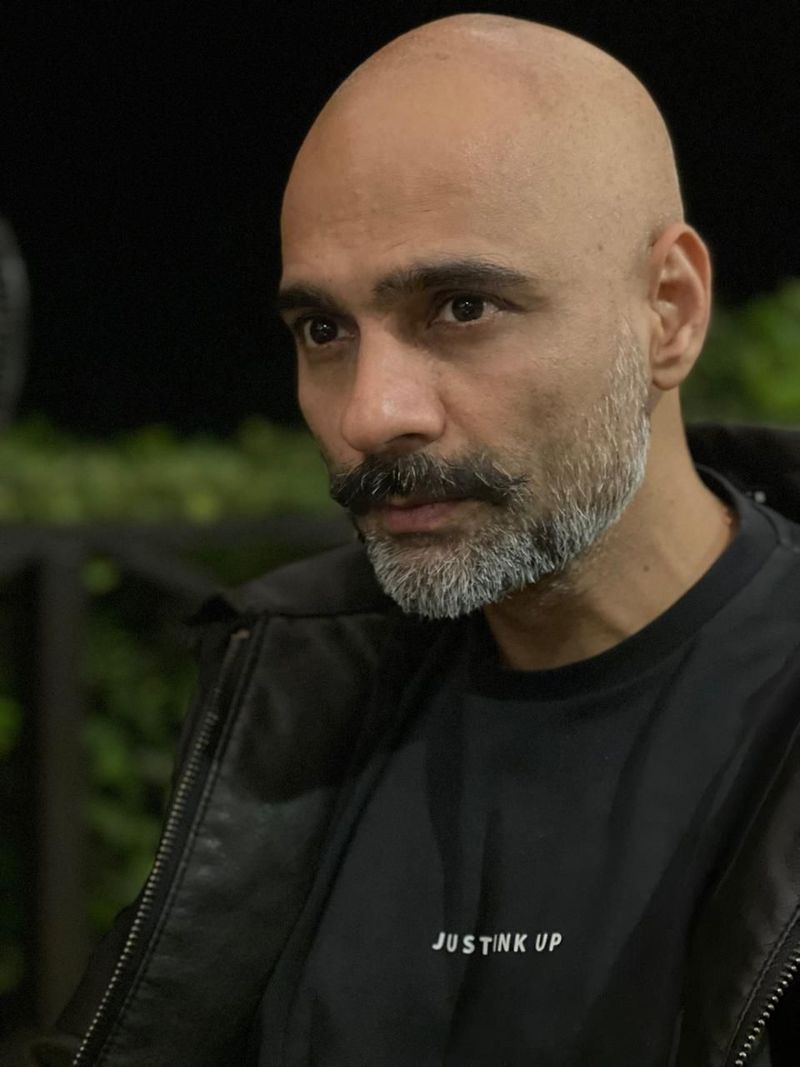

A subject as grim as marital rape can only call for serious treatment. When noted creator-writer Divya Nidhi Sharma made the series Chiraiya, now streaming on Disney+ Hotstar, he wanted ‘it to be an engaging story and a voice of resistance not victimhood’. As one of the dialogues in the series goes … Kranti dabe paaon rasoi mein billi ki tarah aati hai, the social statement is potently quiet yet deeply effective. If pithy one liners of the dialogue writer of Laapataa Ladies, Freedom At Midnight and Heeramandi stay with you, so do his quotable quotes in this exclusive interview.Indeed, he nods, “No country has so much affinity for the spoken word. Dialogues become our idioms, a part of our everyday lives.” He recalls how during the making of critically acclaimed Freedom At Midnight, creator Nikkhil Advani told him not to read speeches of the great leaders or do any research but write dialogues Salim- Javed style. Writing for a historical, for luminaries like Gandhi, Patel and Nehru did put an extra pressure. He reasons, “While humanising them, you can’t cut them to size. If your Gandhi utters one wrong word, it can not only land you in trouble but also let down the audiences as well as the artist in you.”As for negotiating the subject of his latest Chiraiya, an issue so thorny that even courts are not ready to address it, he reveals, “Culminating the story was very difficult since right now no legal recourse is possible. Hence, we turned towards family for resolution. Either they should raise their sons better or set them right if they go haywire.”Though Chiraiya packs a significant message in its folds, he does not think that cinema can change society and adds, “That is too big an ask. All we can do is throw a pebble and create a ripple.”He does feel that if Chiraiya can make even one boy growing up in India’s hinterland, reconsider his thoughts their job would be done. To critics who have cast aspersions on the powerful series’ television aesthetic his counter is forceful. “We are not making content for Sundance festival. There is no point in preaching to the choir. We are addressing that woman in Meerut, the girl in Lucknow.”Growing up in India’s small towns, he truly understands the small city mind-set and the spell cinema can cast. Having watched movies in his formative years, he proclaims, “I am addicted to cinema and by that I mean the potboiler commercial masala ones.”Massy and popular are not negative words for him. Rather he observes, “If writers have not got their due, to some extent they themselves are to be blamed. Industry does not understand good or bad, only success and writers need to work towards creating superhits.” Of course, as a writer he will not pander to the lowest common denominator. Certain things are non-negotiable for him. Others might be busy debating politics in the entertainment world what worries him is gender politics. “Films are succeeding despite misogyny not because of it,” he says. Though he would write the part of a doormat he would never suggest she is an ideal. For instance in Chiraiya, the lead character Kamlesh, played by Divya Dutta, starts off as a woman with regressive beliefs but evolves into just the opposite. For a man to get into the mind-space of a woman is not difficult as his strong women portrayals in television series like Anupamaa have shown. He avers, “Emotional identification is part of any art form.” Just as patriarchy has no gender, he opines, “Women don’t have a monopoly over liberal feminist ideas. It would be very limiting if only women were to write women’s stories.”Of course, the industry could/ must do with greater women representation, of all age groups and it hurts him, “Not enough parts are being written for women in forties.” Incredibly happy with Divya Duta’s powerhouse performance, he says, “Divya is criminally underutilised, should be headlining many more projects.”His next, Nai Naveli, too is led by a talented actress — Yami Gautam. Then there is RS Prasanna’s directorial, the creator in him will kick into action soon as well.To aspiring film writers his one point advice is, “Read. If you want to be part of Hindi cinema, you can’t lose touch with Hindustani, else the language will ditch you.” His words, however, never lose grip over cinematic language, move with purpose and heart and tell stories even in one simple dialogue “Full English bol ke baatayein.”