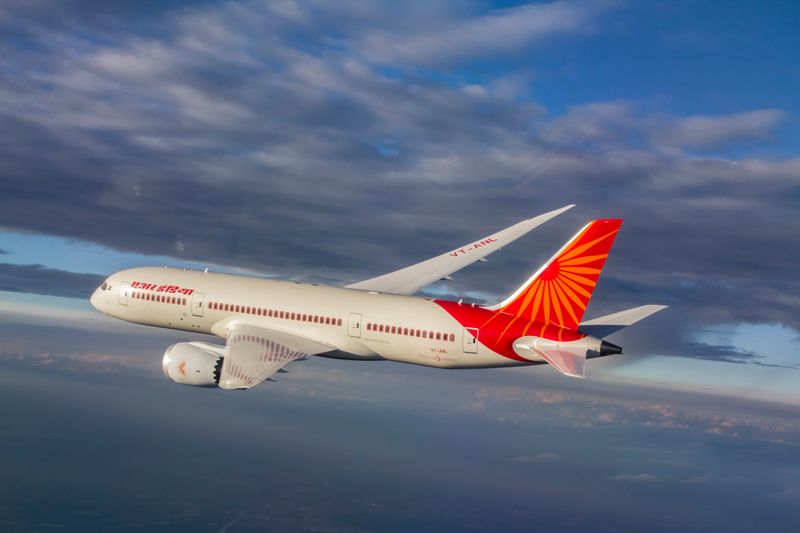
The aviation regulator has imposed a penalty of Rs 1 crore on Air India after finding that an Airbus A320 was operated on multiple commercial flights without a valid airworthiness review certificate (ARC), holding senior management accountable for what it described as systemic failures within the airline.Sources said the DGCA had also ordered the removal of certain engineering post holders over the serious lapse. In a confidential order dated February 5, the Directorate General of Civil Aviation (DGCA) said the episode had weakened public confidence and adversely affected the carrier’s safety compliance framework. The regulator concluded that the airline’s “accountable manager” bore responsibility for the violations and directed Air India to deposit the penalty within 30 days.The action follows an investigation into flights operated in November 2025, when the Airbus A320 flew passengers on sectors including Delhi, Bengaluru, Mumbai and Hyderabad despite its ARC having expired.The regulator found that the aircraft was flown multiple times after the expiry of the certificate. The violation was not viewed as a routine procedural oversight but as a breach of a fundamental safety requirement.The inquiry also pointed to wider organisational shortcomings. The DGCA flagged deficiencies in internal coordination, gaps in oversight and failures within engineering and compliance monitoring systems. According to the findings, required checks were marked as completed and concerned departments were aware of the certification position, yet the aircraft continued to operate instead of being grounded.The regulator observed that the aircraft remained in service even after its airworthiness documentation had lapsed, raising concerns about governance and safety culture within the airline.The lapse had first come to light on December 2, 2025, when the DGCA publicly acknowledged the issue and ordered a detailed probe. In that statement, the regulator had explained that Air India, under delegated authority, is empowered to issue ARCs for aircraft in its fleet. The ARC serves as an annual validation of the aircraft’s primary Certificate of Airworthiness following comprehensive scrutiny.The DGCA also noted that in 2024 it had undertaken the first ARC renewal exercise for 70 aircraft of Vistara after its merger with Air India. While 69 aircraft were cleared, one Airbus A320, registered as VT-TQN, did not receive renewal and was grounded for an engine replacement. However, after the engine change, the aircraft was released for operations without obtaining the mandatory ARC.On November 26, 2025, Air India informed the regulator that the aircraft had been operated on eight revenue sectors despite the expired certificate. “The probe ordered thereafter has now concluded with the imposition of the monetary penalty and directions for corrective action,” the sources said.Responding to the order, Air India said the incident had been voluntarily reported in 2025 and that the gaps identified during the review had since been addressed and shared with the regulator. The airline maintained that it remains committed to maintaining high standards of operational integrity and safety.