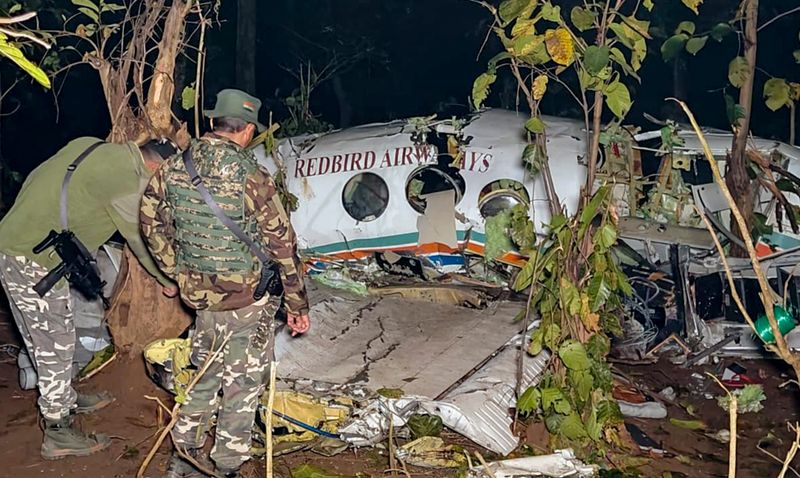

The Directorate General of Civil Aviation (DGCA) on Tuesday announced stricter safety measures for non-scheduled operators following a high-level meeting.The decision comes after two crashes were reported within a month — the January 28 accident that claimed the life of Maharashtra Deputy Chief Minister Ajit Pawar and a recent air ambulance crash earlier this week.The regulator said the meeting was conducted in response to a “recent surge in aviation incidents” and stressed the need for increased focus on safety across the sector.Based on a review of accident data over the past decade, the DGCA said non-adherence to Standard Operating Procedures (SOPs), inadequate flight planning and training deficiencies were the primary causes of accidents.It announced a “zero-tolerance policy toward safety compromises” and said safety must take precedence over commercial considerations, charter commitments and VIP movements.The regulator also said that a Pilot-in-Command’s decision to delay, divert or cancel a flight for safety reasons will be final and must be respected by operators.The DGCA introduced a set of measures to improve oversight and accountability. Operators will now be required to disclose safety-related information, including aircraft age, maintenance history and pilot experience, on their websites. A safety ranking system for non-scheduled operators is also being planned, with ratings to be published on the DGCA website.The regulator said surveillance will be strengthened through random audits of cockpit voice recorders, flight data and technical logs to detect unauthorised operations. It added that senior management will be held responsible for systemic lapses, stating that safety failures cannot be attributed only to pilots.Penalties have also been tightened, with pilots facing licence suspension of up to five years for violating flight duty time limitations, while operators may face licence action for non-compliance.Maintenance oversight will be increased, particularly for older aircraft and those undergoing ownership changes. Operators lacking adequate maintenance capability will be required to outsource work to approved Maintenance, Repair and Overhaul facilities.On weather-related risks, the DGCA said such incidents are often linked to poor judgement and directed operators to implement real-time weather update systems and ensure compliance with SOPs. Pilot training programmes will also place greater emphasis on weather awareness and decision-making.The first phase of safety audits is expected to be completed by early March 2026, after which the second phase will begin.