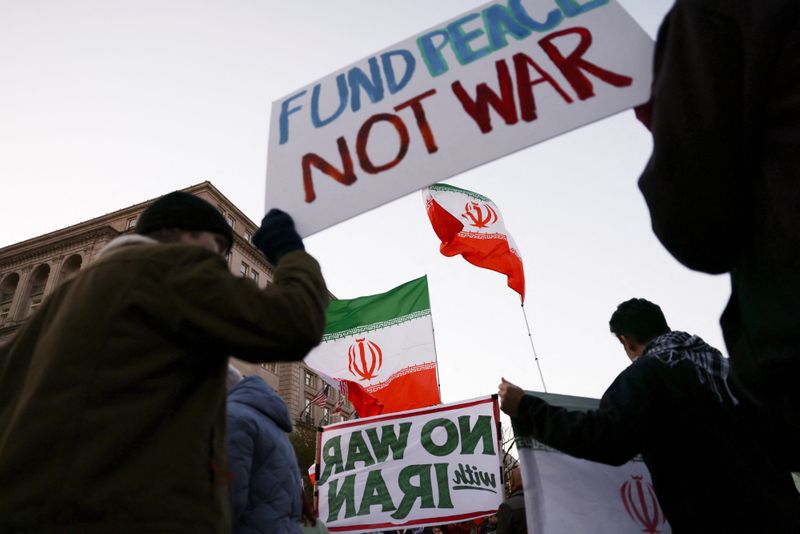

As a fragile ceasefire takes hold between the United States and Iran, attention has shifted to the contours of a proposed 10-point framework from Tehran that Washington has described as a “workable basis” for negotiations.What are the 10 conditionsAccording to details emerging from diplomatic exchanges, Iran’s proposal, now under consideration by the US, includes the following key elements:*Non-aggression commitment: A binding assurance from Washington ruling out future military action against Iran.*Control over Strait of Hormuz: Recognition of Iran’s continued authority over the critical maritime route.*Acceptance of enrichment: Acknowledgment of Iran’s right to pursue uranium enrichment under agreed parameters.*Lifting of primary sanctions: Removal of direct US economic restrictions on Iran.*Lifting of secondary sanctions: Ending penalties on third countries and entities engaging with Iran.*Termination of UN sanctions: Revocation of all measures imposed by the United Nations Security Council.*End to IAEA actions: Termination of resolutions by the International Atomic Energy Agency Board of Governors.*Compensation to Iran: Financial reparations for damages linked to sanctions and military actions.*US military withdrawal: Pullback of American combat forces from the region.*Cessation of hostilities: End to military operations across theatres, including conflicts involving allied groups such as Hezbollah.Why it mattersTaken together, the framework represents a maximalist negotiating position by Tehran — one that seeks not only sanctions relief but a structural reordering of US-Iran relations and regional security dynamics.For Washington, even partial acceptance of these terms would mark a departure from decades of policy built on containment, pressure, and military deterrence.Diplomatic observers say the ongoing two-week ceasefire window will be crucial in determining whether these proposals can be translated into a binding agreement or remain an aspirational roadmap.With global energy flows, particularly through the Strait of Hormuz, hanging in the balance, the outcome of these negotiations could shape not just the trajectory of the conflict, but the broader stability of West Asia.