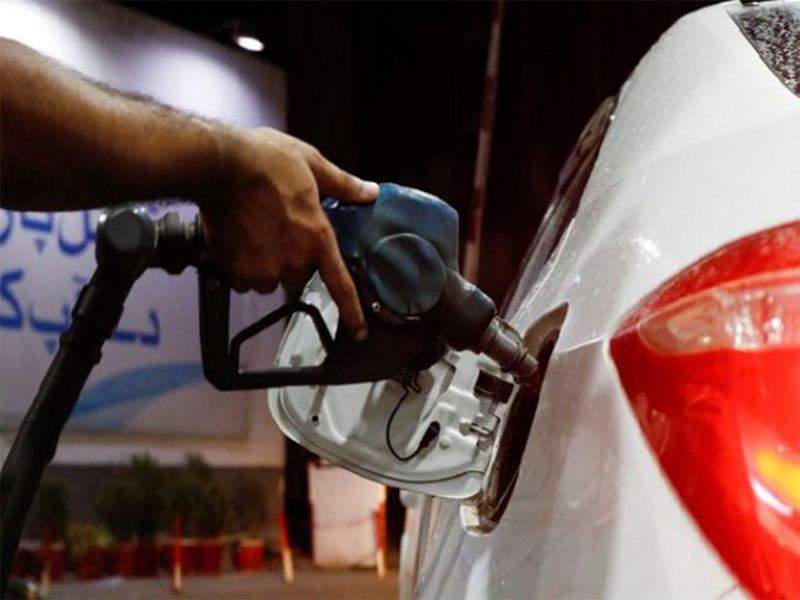

Gilgit [PoGB], March 14 (ANI): The ripple effects of tensions in the Middle East, compounded by economic mismanagement, are now being felt in Pakistan-occupied Gilgit-Baltistan, where the economic situation has deteriorated sharply as soaring fuel prices trigger a fresh wave of inflation.The sudden increase in petrol prices has pushed up the cost of transportation and essential commodities, making everyday life increasingly difficult for residents. Schools in several areas have also been affected, as many families struggle with rising expenses and the growing cost of commuting.Senior politician Shafqat Ali Inqalabi said the biggest impact has come from the steep rise in petroleum prices. He noted that fuel price hikes have become a routine practice in Pakistan, often increasing gradually every month.”The biggest impact comes from the increase in petroleum prices, because raising fuel prices has become a routine practice in Pakistan. Every month, prices go up by 5 rupees, 3 rupees, and sometimes even 10 rupees. Since the increase happens gradually, people do not always feel the impact immediately. But this time, when the war broke out, the Oil and Gas Regulatory Authority increased prices by 55 rupees per litre, which triggered a storm of inflation,” Inqalabi said.He added that the situation has become even more difficult as the price surge has coincided with the holy month of Ramadan and the approaching Eid festival.”At a time when Ramadan is underway, and Eid is approaching, soaring fuel prices have forced many people to cut back on travel. More than half of the cars are now off the roads because people simply cannot afford to drive. Public transport fares have also increased,” he said.Pakistan-occupied Gilgit-Baltistan relies heavily on supplies transported from major Pakistani cities such as Lahore, Karachi, Peshawar and Rawalpindi. With rising fuel costs, transporters and carriage operators have raised their charges, leading to higher prices for construction materials, food items and other daily necessities.”All the food items come from different cities of Pakistan, such as Lahore, Karachi, Peshawar and Rawalpindi. Now, even the carriage operators have increased their rates. Because of this, the price of a cement bag, which used to be 1,800 rupees, has now increased to 2,200. The price of steel bars (sariya) has also increased by 10,000 to 15,000 rupees. From fruits and vegetables to cooking oil and even matches, everything is becoming more expensive,” Inqalabi said.The situation highlights the deepening economic and governance challenges in Pakistan-occupied regions. Areas like Gilgit-Baltistan continue to face chronic neglect, weak infrastructure and heavy dependence on supplies from mainland Pakistan, leaving local communities highly vulnerable to economic shocks. (ANI)(This content is sourced from a syndicated feed and is published as received. The Tribune assumes no responsibility or liability for its accuracy, completeness, or content.)