
Some fuel retailers are “losing money” on diesel sales following the spike in wholesale prices witnessed since the start of the Middle East conflict, according to the industry.The Petrol Retailers’ Association (PRA), which represents the bulk of the sector, told Jattvibe the nature of some operators’ buying contracts – some of which involve days-long lags on market costs – meant they were unable to keep up with dramatic increases seen last week as global oil prices soared.
Iran latest: Cargo ships hit in Strait of HormuzGordon Balmer, the body’s executive director, also criticised a warning by the chancellor on Tuesday that the fuel sector would not get away with “price gouging”.News of a looming meeting, announced by Rachel Reeves, involving herself, retailers and the Competition and Markets Authority (CMA), was news to Mr Balmer.
He has consistently denied the UK fuel market is beset with profiteering.The CMA has consistently accused the industry of giving motorists a poor deal at the pumps since 2021.The immediate impact of the war on filling up raised alarm bells amid claims retailers were passing on higher prices before they had even taken fresh deliveries that reflected elevated wholesale costs.The industry is understood to look to balance its margins over the course of a week.
UK diesel is particularly exposed to international market shifts because, unlike petrol, the vast majority of supply is imported.
Share
Economist: Markets wrong on oil prices
“The wholesale price rose by (up to) 25p per litre at one stage last week,” said Mr Balmer, while explaining that 20% of Europe’s diesel now comes through the Strait of Hormuz shipping lane which is currently closed to most tanker traffic.He expressed hope that a release of reserves under the direction of the International Energy Agency (IEA), which is expected to be announced later on Wednesday, would help fill some of the void.The prospect of some of the Strait’s lost supplies being offset by such a move would, he hoped, take a bit of further pressure off wholesale prices, but agreed that only a return to normal flows would allow prices to return to pre-war levels.”That could take weeks,” he said, due to the need for complicated production restarts and long delivery times from the Middle East.
Share
How will Iran war impact the economy?
Commenting on the current state of the market, he said: “It’s very busy out there… supply of fuel is tight and forecourts remain busy.”Sales have been elevated since last week when drivers rushed to avoid the worst of the price hikes.The latest data from the RAC showed the average cost of unleaded up a further 1p on Tuesday to 139p a litre.For diesel, the price was 2p up to 155.1p a litre.
Image:
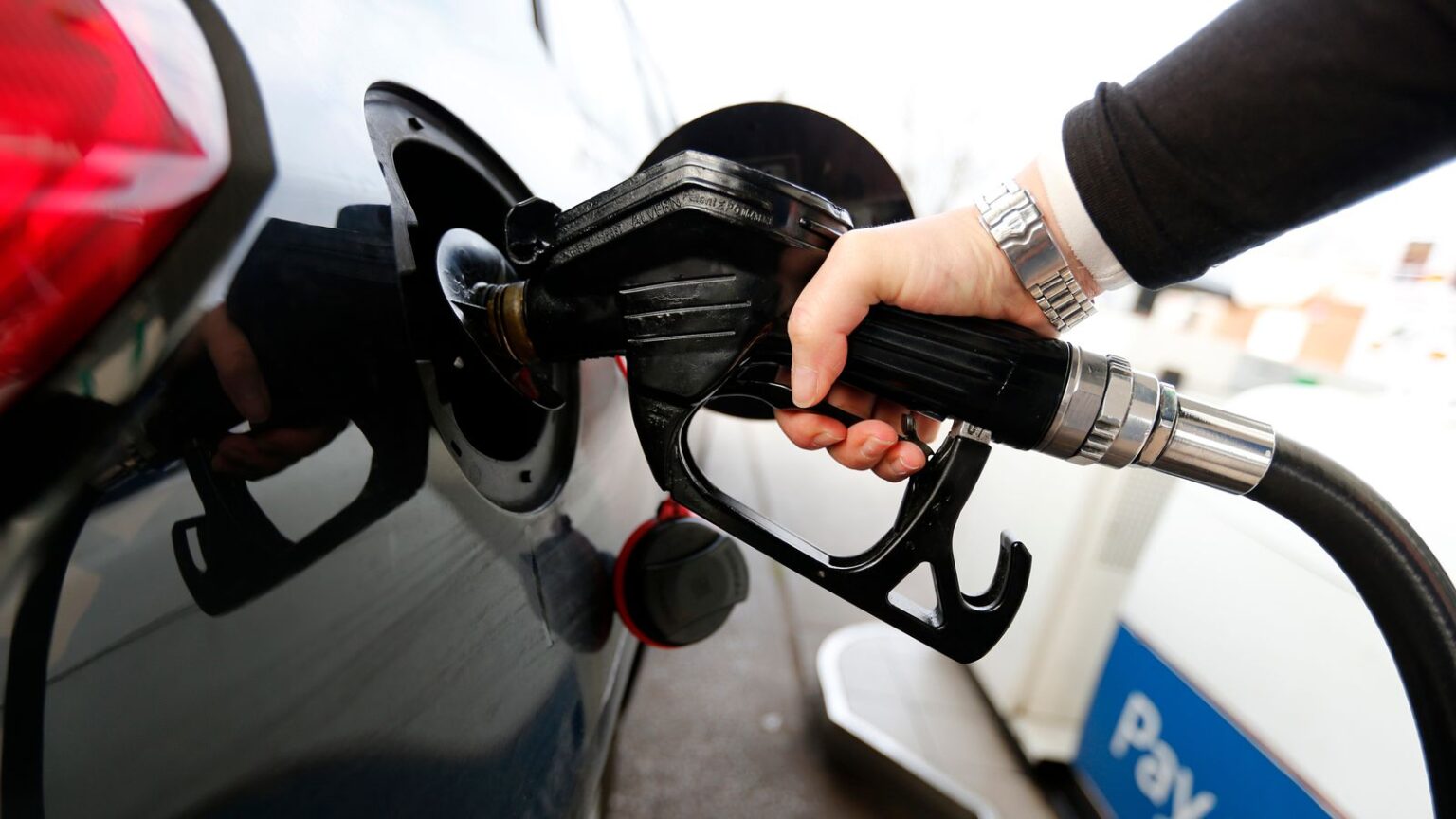
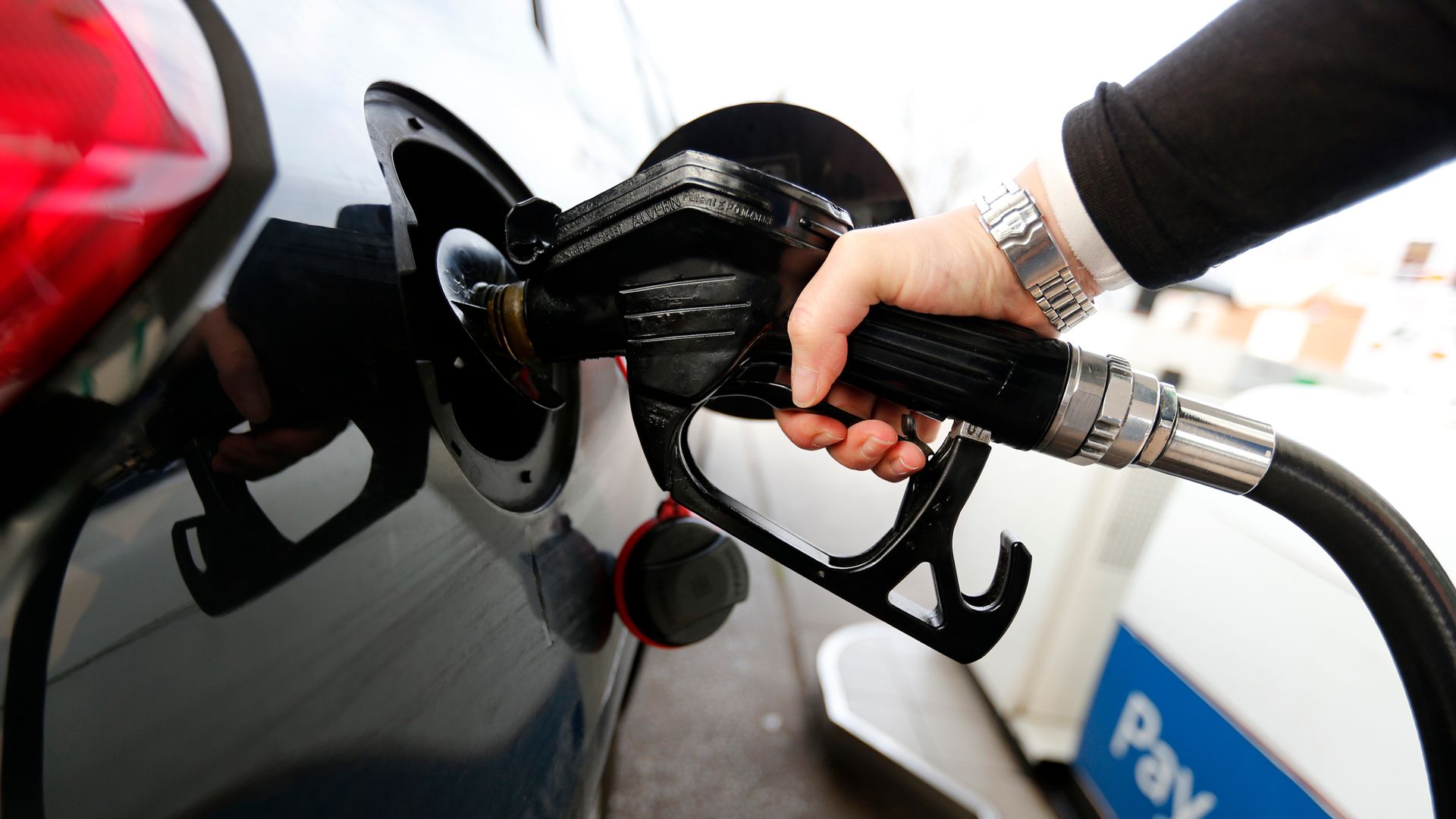
Petrol is less exposed to prices rises in the UK because most diesel is refined abroad. Pic: PA
Mr Balmer said wholesale costs for diesel – also the workhorse of the UK’s haulage industry – had come down from the peaks seen earlier, but remained 18% higher during the war to date, and it would take time for all forecourts to reflect such a change.The CMA said last week that it was keeping a close eye on the fuel market and would call out any operators suspected of price gouging.Jattvibe has so far been unable to confirm with the regulator today whether any such action has been taken.Read more:Explained: What the war means for your financesThe global economy’s worst nightmare is here
Drivers are being advised to use the online fuel finder service to shop around for the best fuel prices in their area.Giving evidence to the Treasury select committee of MPs on Wednesday, Ms Reeves said of the war’s impact: “It’s certainly not good for the British economy to have trade disrupted, and especially when so much oil and gas comes from that part of the world.”But the best thing that we can do as a government is to seek to de-escalate this conflict.”