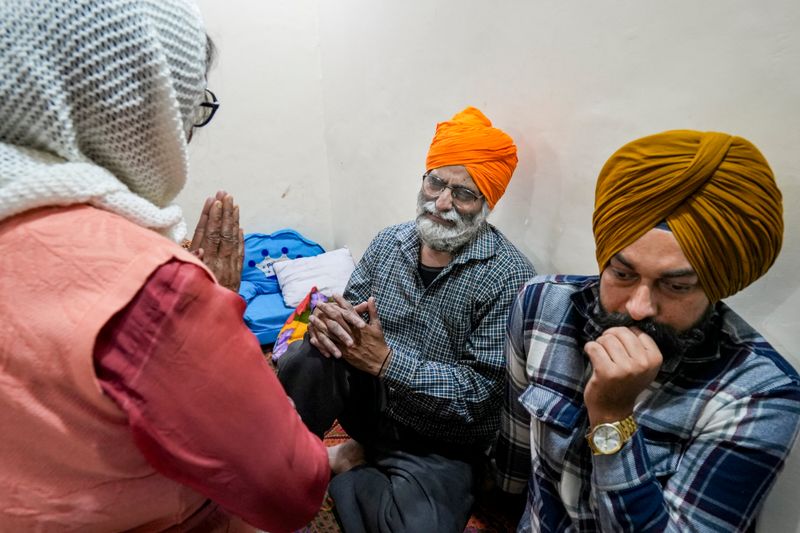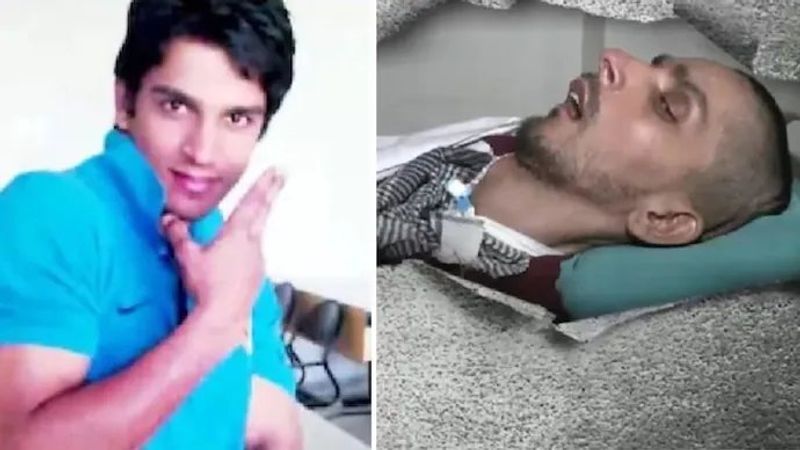

Harish Rana, 31, who became India’s first person to receive legal approval for passive euthanasia, passed away at AIIMS, Delhi, on Tuesday after more than 13 years in a vegetative state.The hospital, on the Supreme Court’s directions, withdrew the life-support system. Last week, AIIMS had initiated a week-long process to implement the Supreme Court order that allowed passive euthanasia for Rana.“Mr. Harish Rana passed away at 4.10 pm on 24th March, 2026, at AIIMS, New Delhi. He was under the care of a dedicated team of doctors and was admitted to the Palliative Oncology Unit (IRCH), led by Dr (Prof) Seema Mishra, HoD, Onco-Anaesthesia. AIIMS extends its heartfelt condolences to his family and loved ones during this difficult time,” AIIMS said in a statement.A specialised medical team headed by Dr Mishra was constituted at AIIMS to implement the first-ever process in India. The team comprised doctors from departments of neurosurgery, onco-anaesthesia and palliative medicine, and psychiatry.Rana had been in a vegetative state since 2013. He was shifted from his Ghaziabad home to the palliative care unit at Dr BR Ambedkar Institute Rotary Cancer Hospital at AllMS on March 14.The Supreme Court on March 11 allowed passive euthanasia for Harish, who was a B.Tech student at Panjab University and fell from a fourth-floor balcony in 2013. He suffered severe head injuries and had been in a coma since then. He was on artificial nutrition and occasional oxygen support.The court had directed AIIMS to ensure that life support is withdrawn with a tailored plan so that dignity is maintained. It had clarified that the order did not amount to active euthanasia but slow withdrawal of the feeding tube so that the process of death may take place with dignity.The passive euthanesia process involves shifting focus from curative treatment to palliative care, which includes pain relief, emotional support and maintaining comfort without prolonging life artificially.In October 2024, the Union Health Ministry had issued draft guidelines on the withdrawal of life support systems in terminally ill patients.In its 2011 judgment in Aruna Ramchandra Shanbaug versus Union of India, the Supreme Court issued a landmark opinion, recognising passive euthanasia under strict safeguards and with judicial approval.India allows only passive euthanasia, meaning withdrawal or withholding of life-support, and even this is permitted only under strict safeguards established by the courts. Active euthanasia remains illegal.