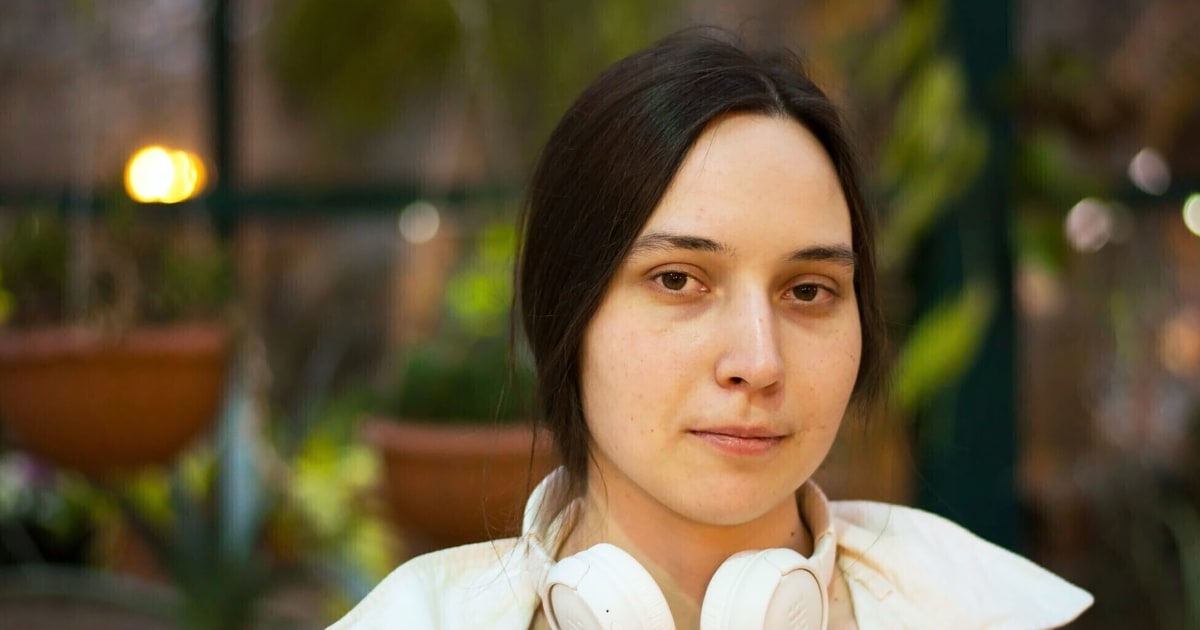

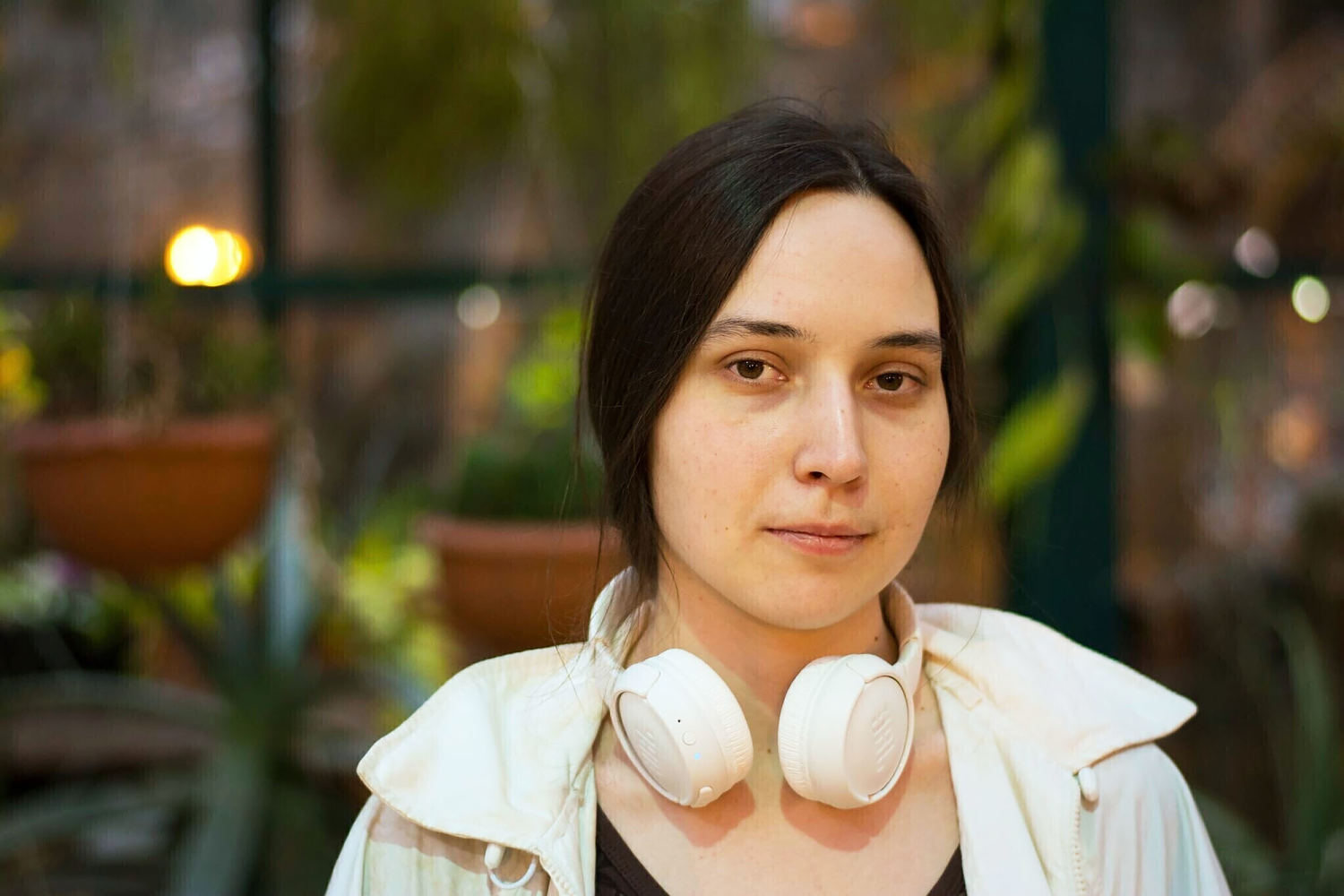
A federal judge in Vermont ruled that Harvard scientist Kseniia Petrova’s visa was unlawfully canceled after she was detained at an airport over biological samples she was carrying, handing her a key legal victory in a case that has raised questions about the limits of government power at the border. Subscribe to read this story ad-free Get unlimited access to ad-free articles and exclusive content.In a decision issued Tuesday, the court said “the undisputed facts reveal that Ms. Petrova’s visa was impermissibly canceled.” Petrova, a Russian-born researcher at Harvard University’s Kirschner Lab, has argued for more than a year that the cancellation was unlawful. She was stopped at Boston Logan International Airport last February after returning from Paris. Her visa was canceled; she was later placed into immigration proceedings and detention. This disrupted her groundbreaking work on advanced imaging technology that has the potential to transform cancer diagnostics, according to fellow researchers. The Department of Homeland Security said in a statement that Petrova was “lawfully detained after lying to federal officers about carrying substances into the country.” Petrova described the incident differently. “They asked if I have any biological samples in my luggage. I said yes,” she previously told Jattvibe News. She described confusion over the customs procedures and a lengthy interrogation by CBP officers. “Nobody knew what was happening to me. I didn’t have any contact, not to my lawyer, not to Leon, not to anybody,” she said, referring to Dr. Leon Peshkin, a principal research scientist at Harvard’s Department of Systems Biology and her manager and mentor. “And the next day, they didn’t say what would happen. I was waiting in a cell.” The ruling, her attorney said, helps address those circumstances. “Today’s decision marks an important step toward correcting what should never have happened in the first place,” Gregory Romanovsky said in a statement Tuesday. “For over a year, Kseniia Petrova has maintained that CBP had no legal authority to cancel her visa on February 16, 2025. Today, the U.S. District Court in Vermont agreed.” The statement also noted that Petrova won a separate legal challenge in Massachusetts in December that allowed her to return to work. She has been back in her lab since January after a year navigating legal proceedings, including time in immigration detention in Louisiana, away from her research, friends and the home she built in Boston. “Today’s ruling makes clear that, as broad as CBP’s authority is at the border, its actions cannot be arbitrary or capricious,” Romanovsky said. While this ruling allows Petrova to remain in the U.S. for now, her legal battles are not over. She is still facing a separate criminal case stemming from the airport incident, with a trial scheduled for later this year.