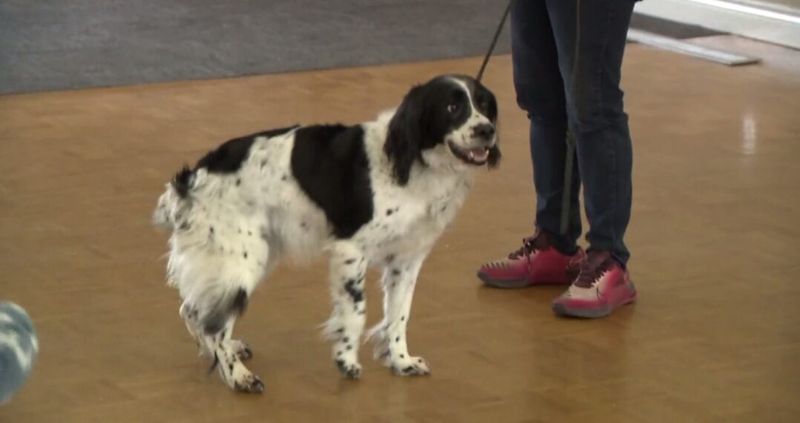

After nearly a decade of detecting a dangerous hospital superbug, Clostridium difficile, a highly trained English Springer Spaniel named Angus has retired from his role at Vancouver General Hospital in Canada.Angus was selected for this pioneering work in 2015, when the hospital launched a pilot project to explore whether dogs could identify the harmful bacterium. He began training in February 2016 and started active duty in 2017, quickly proving the effectiveness of canine detection.Clostridium difficile, commonly known as C. difficile, poses a serious threat to patients with weakened immune systems, particularly those undergoing antibiotic treatment. It can cause severe diarrhea and other life-threatening complications. Despite strict sanitation protocols, the bacteria can persist on surfaces such as old furniture and medical equipment.Using his exceptional sense of smell, Angus helped medical teams locate hidden traces of the infection in hospital environments—areas that are often difficult for humans to detect. His contributions made him a vital part of infection control efforts.Over the years, Angus worked in 32 hospitals across Canada, inspecting thousands of rooms and medical units. He spent approximately 85 percent of his life serving patients in British Columbia and beyond.According to Global News, Angus has retired at the age of 13. His trainer, Teresa Zurberg, organized a retirement celebration on March 29. While Angus remained capable, she noted that age had begun to take a toll on his body. “He’s going on to new adventures,” she said.In retirement, Angus is enjoying a quieter life and has even taken up a new role—helping locate lost arrows at a fish and game club in Surrey, British Columbia.During his distinguished career, Angus met several notable figures, including politicians and celebrities. His trainer hopes he will be honoured with a Canadian service medal for his contributions.Hospital authorities and health officials have praised Angus for his remarkable service in safeguarding patients. His retirement marks the end of an extraordinary chapter in the fight against hospital-acquired infections, though other trained dogs have now joined the canine detection programme he helped pioneer.