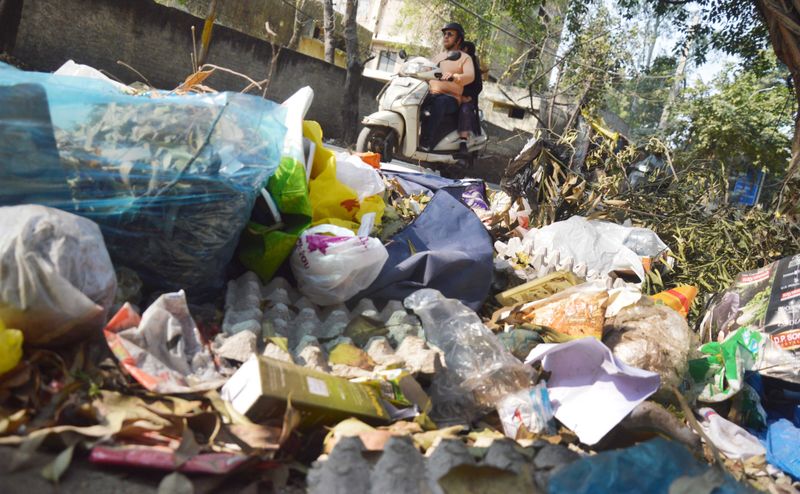

From Wednesday (April 1), residential societies, malls, colleges, hotels, large townships, hotels and restaurants will have to ensure segregation of waste at source, and process wet waste on site.Under the new Solid Waste Management Rules-2026, the classification of bulk waste generators has been put in place in the form of ‘Extended Bulk Waste Generator Responsibility (EBWGR)’, for entities with floor area of 20,000 square metres or more, or water consumption of 40,000 litres per day or more, or solid waste generation of 100 kg per day or more.The bulk waste generators are now mandated to process wet waste on site as much as possible or alternatively obtain an EBWGR Certificate in case they are unable to do so.The new rules mandate four-stream segregation of solid waste at source into wet waste, dry waste, sanitary waste and special care waste. The new rules also prescribe a clear definition of bulk waste generators that have a mandate to fulfil extended bulk waste generator responsibility to ensure that the waste generated is collected, transported and processed in an environmentally sound manner.Additionally, sanitation workers will now have the power to reject unsegregated waste, putting the primary responsibility on citizens and bulk generators rather than municipal authorities alone.The introduction of a centralised digital portal, stringent auditing and strict incineration guidelines are at the heart of the new rules, which will replace the decade-old regulations for managing garbage.The portal will operationalise the online tracking and monitoring of all stages of solid waste management, including collection, transportation, processing and disposal. The new rules also mandate the registration of bulk waste generators with the centralised portal. Any engagement with unregistered entities is prohibited.The Central Pollution Control Board (CPCB) has also constituted a Central Implementation Committee for effective implementation of these rules. Union Minister of State in Environment, Forest and Climate Change Kirti Vardhan Singh said, “The Government of India has notified the Solid Waste Management Rules, 2026, effective April 1. This marks a major step towards sustainable waste management. The Solid Waste Management Rules, 2026, embed circular economy principles, accountability, and transparency.”