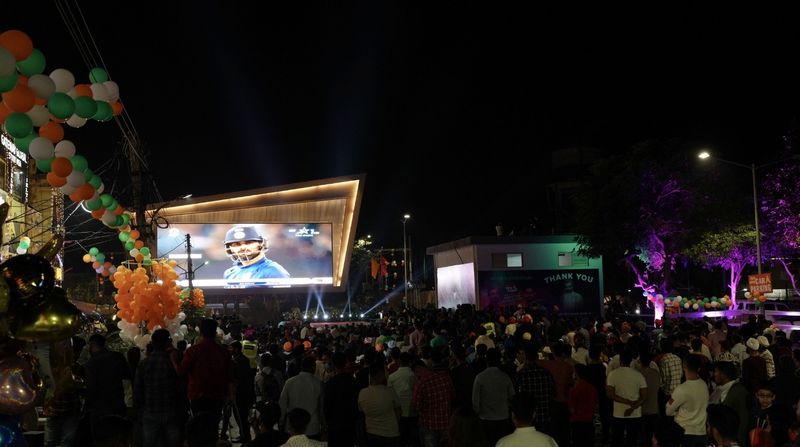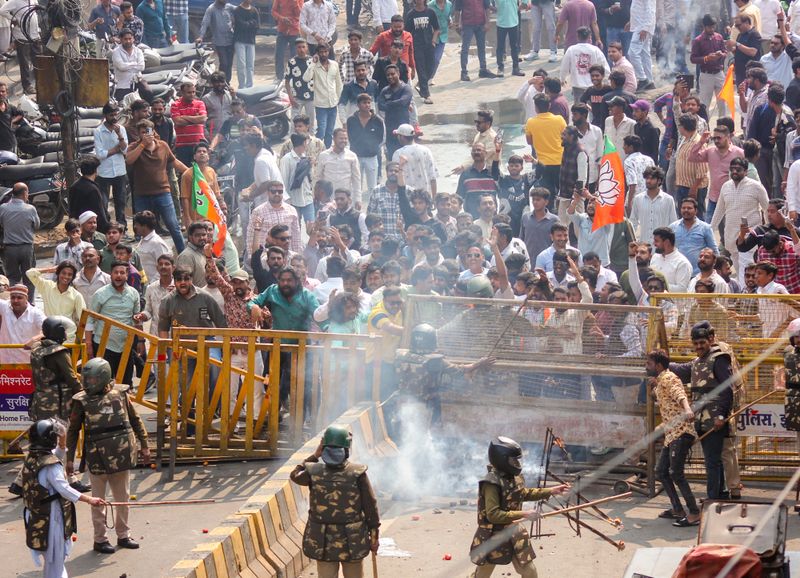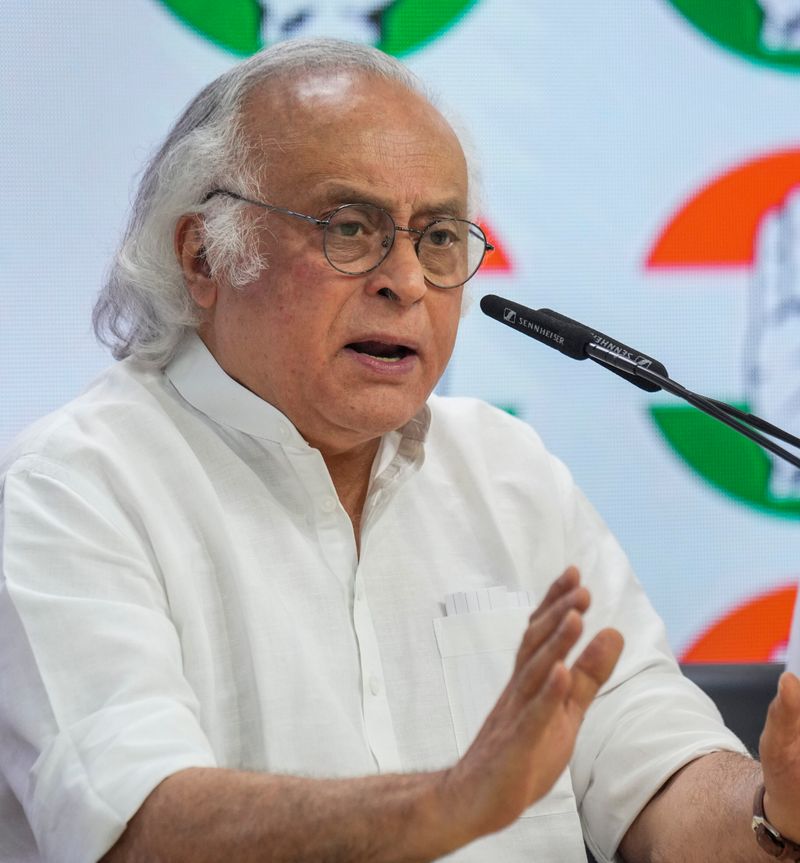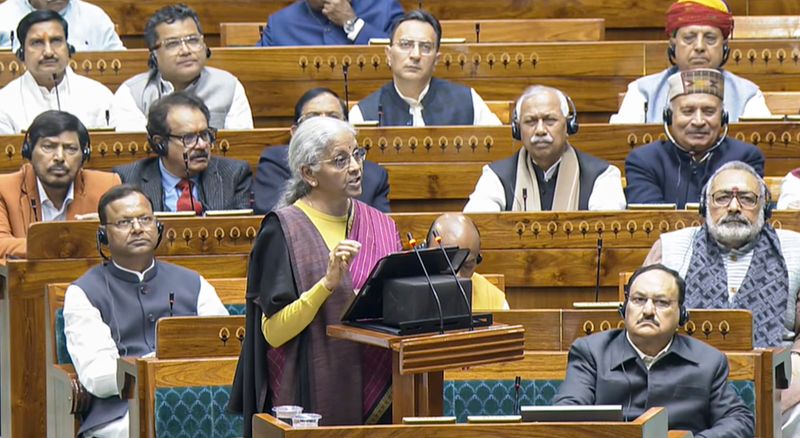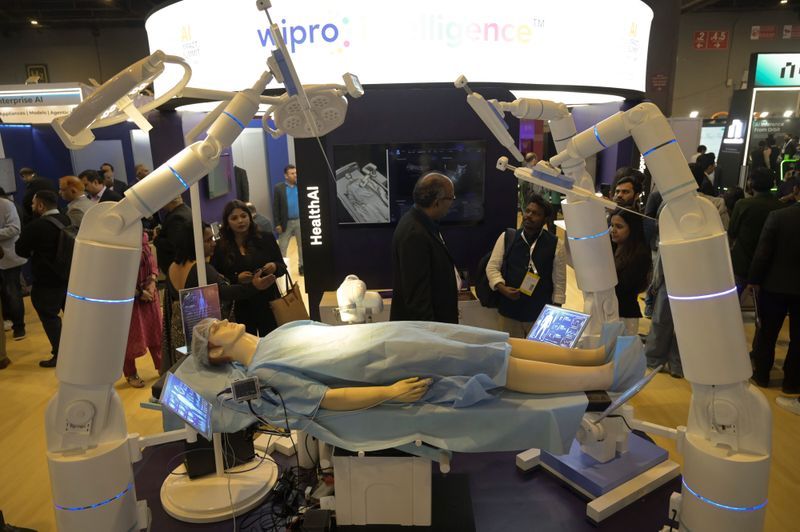

The Delhi AI Impact Summit has established India as a significant and aspiring AI power. New Delhi has been able to articulate a normative vision of how AI should be harnessed for the larger global good — and this is a lofty vision. Our Edit and Op-Ed pages dissected the gains and the learnings from the summit.The summit’s most consequential silence concerned labour, writes former financial adviser IMF & World Bank Udaibir S Das in his Op-Ed article India’s AI ambition faces structural limits. Although its theme was ‘Welfare for all, Happiness of all’, India’s technology services workforce — roughly 5.8 million people — had no structured presence in the summit’s power forums.The AI summit was part policy forum, part technology and trade exposition but, ambitions must be tempered by inescapable realities such as energy poverty and water stress, writes former Foreign Secretary Shyam Saran in his Edit article India’s AI road dotted with challenges. AI depends upon immense data-crunching capacity which comes from high-end Graphics Processing Units (GPUs), he says. Compare the numbers: The US is estimated to have 1.5 million GPUs in operation, China has half a million GPUs, India has only 38,000.While India seeks to play a significant role in the global AI pursuit, it has a very modest capability and does not rank among the top five AI-capable nations, writes C Uday Bhaskar Director, Society for Policy Studies, in his Op-Ed article India’s AI vision lofty, capability limited. Yes, India is a major adopter of AI and the crowd surge at the Delhi summit reflects the enthusiasm of the younger Indian demography. Creating an ecosystem that is enabling and empathetic to nurturing AI in the long term will be the abiding Indian challenge.In her Op-Ed Equipping kids to face AI’s brave new world, senior financial journalist Sushma Ramachandran writes that this is the right time to empower the youth and schoolchildren with skill sets which will help them navigate the AI boom. The nature of jobs will change as the need for different types of skills emerges with new technology. Investment in basic education must be enhanced along with a significant upgrade of infrastructure. Only then will it be possible for the next generation to deal effectively with the problems and perils of a future with AI, she writes.The spectacle mounted by Indian Youth Congress activists at the AI Impact Summit at Delhi’s Bharat Mandapam signified a new low in the history of protests. The shirtless protest proved to be beneficial for the BJP government at the Centre. As the Congress made the protest a solo affair, Rahul Gandhi could not escape accountability, says senior journalist Radhika Ramaseshan in her Edit article Congress scores another own goal. Rahul either oversteps the unstated limits of a convincing counter-campaign against the BJP or falters on facts due to a lack of thorough homework or gets the theme, timing and mode of protests wrong. In the IYC fiasco, the last factor proved to be his undoing, she writes.On the other end of the spectrum is another viewpoint where former Planning Commission member Arun Maira writes in his Edit piece A blueprint for all-round growth that modern economies cannibalise human society to feed economic growth. The Viksit Bharat goal should be reset to make India a more inclusive society by 2047, for which he has given lasting solutions so that India’s economy can become an engine of its own growth — form more local, cooperative enterprises; denser local economic webs composed of small enterprises, local systems; solutions cooperatively developed by communities; use capital frugally, among a few steps. Formal, large-scale enterprises are not creating enough good jobs even in developed countries, he argues.The bust of Edwin Lutyens, the principal designer of imperial New Delhi, was replaced with that of C Rajagopalachari, the last Governor General of India, inside Rashtrapati Bhavan. Can replacing the bust of Lutyens with Rajaji transform the institutional ethos of the space or merely alter the gallery of memory? asks RJD MP Manoj Kumar Jha in his Op-Ed Cosmetic changes won’t heal the nation. Decolonisation, if it is to mean anything, cannot remain a ceremonial exercise performed at roundabouts and renamed avenues. It must travel inward into the grammar of governance and the conscience of society, he feels. When citizens today encounter an unresponsive bureaucracy or a coercive policing system, they are often encountering the afterlife of colonial rule, he writes.The US has begun ‘major combat operations’ in Iran and Israel has launched missile attacks against Iran. Does US have any right to overthrow the Iranian regime and dictate policy to it? asks ORF Distinguished Fellow Manoj Joshi in his Op-Ed article India’s Iran dilemma deepens amid war talk. The developments highlight the continuing Indian dilemma in relation to Iran. For India, Iran is the closest and cheapest source of hydrocarbons. It is also the landmass through which India had hoped to develop multi-modal trade corridors to Afghanistan, Central Asia and Europe and invested in developing a port in Chabahar.