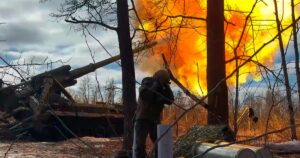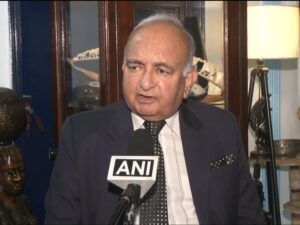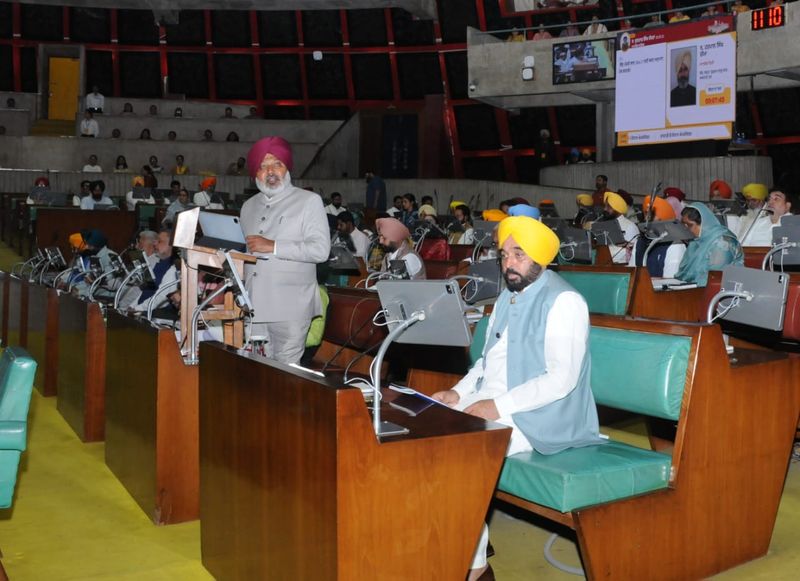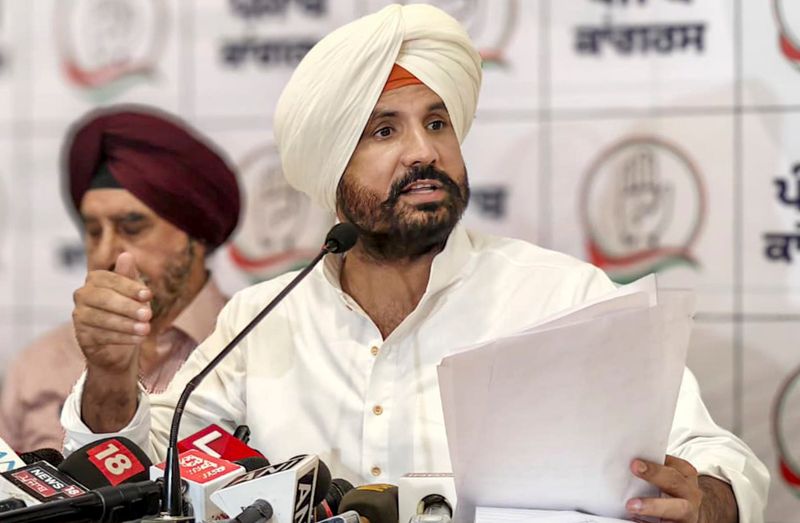

As the great powers play their games, they will suck other nations into the whirlpool of war. It is time for India to find its own strategic direction keeping our old allies in mind and also forming new alliances to secure the nation, writes ex-Manipur Governor and former J&K DGP Gurbachan Jagat in his article The need for balance.Today there is a race to secure rare earth minerals, supply chains and end-to-end value chain of mining these minerals, processing them and then manufacturing magnets. Powerful countries need to be on the move, the status quo is never enough: more land, more resources, more wealth to be looted, more men and women need to be enslaved, he writes. Poor countries do not fight each other, it is the wealthy, developed, militarily strong countries which either fight each other or try to colonise poor but resource-rich nations.In a fracturing world, balance is no longer a passive outcome; it is an active strategy, writes ex-Western Army Commander Lt Gen SS Mehta (retd) in his Edit article India in a fracturing world. India’s approach is to engage widely without being subsumed and to maintain autonomy without retreating into isolation. Balance cannot rest on restraint alone; it must be underwritten by the credible capacity to act when equilibrium is threatened.New Delhi has abandoned its posture in favour of US & Israel, but not joined the coalition. It has chosen the worst of both worlds. India is present in the region but not a participant — friendly to the US but not allied, warm but not quite trusted, occupying a geopolitical halfway house, ORF Distinguished Fellow Manoj Joshi in his Op-Ed article India on the sidelines as Trump pauses war.Meanwhile, our neighbour Pakistan’s military establishment has been passing messages between Iran and the US as a part of mediation. Pak’s sudden diplomatic visibility raises uncomfortable questions about India’s positioning, writes Editor-in-Chief Jyoti Malhotra in her weekly column The Great Game article Keeping your enemies closer. By taking sides in an unfortunate and unjust war, India forsook the Middle Path that Gautam Buddha taught it several centuries ago. The foreign policy learnings this week, she writes—first, talk to all sides, even if you don’t agree with them, and second, listen to all sides. While you need to keep your friends close, you need to keep your enemies closer – chanakyaniti, she writes.What nobody is looking at for now is the ecological impact of wars. Ongoing regional conflicts like in West Asia are disastrous for our planet. The series of regional conflicts over the past five years have become fused into a singular, interconnected ecological catastrophe, writes former foreign secretary Shyam Saran in his Edit article A ticking time bomb of oil spills. Soot is being scattered on Himalayan glaciers and millions of tonnes of carbon are being added to the earth’s atmosphere. Even when the guns fall silent, these toxins will enter the food chain and poison those who ingest these particles. The war in West Asia has made India a “frontline state”; oil fires in Iran and other countries will impact the monsoon over the Indian sub-continent, he writes.Production and distribution infrastructure for both oil and gas has been targeted across the West Asian region. India needs to move quickly to insulate itself from the ramifications of the war on Iran, writes senior financial journalist Sushma Ramachandran in her Op-Ed article India isn’t an oil outlier. Coping will be tough. The focus must now be on energy conservation and a drive towards renewable energy to meet the challenges of the future. The reduction of supplies from the Gulf region will be difficult to overcome in the long run. India must, thus, deconstruct the outlook towards energy, especially oil and gas. It must dispense with the presumption that oil and gas will be easily available for all time to come, she warns.Coming to other happenings in India, in a poll season with upcoming elections in four states and one UT this year, the impeachment motion by Opposition parties against the Chief Election Commissioner was a political game. Sometimes one fights not to win but to wound the opponent, writes former election commissioner Ashok Lavasa in his article To impeach the CEC is a troubling first. The ECI has asked the players to contest against each other rather than expend their energy against the referee. The ECI is now in full control, he writes.Talking of Punjab, the debt crisis continues to be a sore talking point especially with Assembly poll round the corner. It is the result of multiple structural and policy failures, writes CRRID senior fellow Upinder Sawhney in her Op-Ed article Why Punjab’s debt trap is deepening. Apart from the Centre not disbursing funds meant for Punjab in a timely manner, fiscal profligacy and structural mismanagement of state finances further exacerbated the problem over the years, she avers. It is the responsibility of the state to make efforts to put its economy on the development path. The economic policy of Punjab must adhere to the principles of transparency, effectiveness and accountability. And the people of Punjab must reconsider the demand for freebies or we will leave the state in a shambles for posterity, she writes.