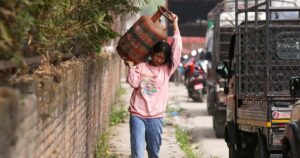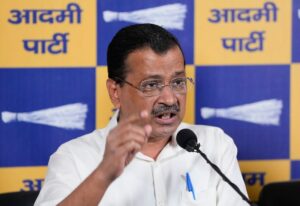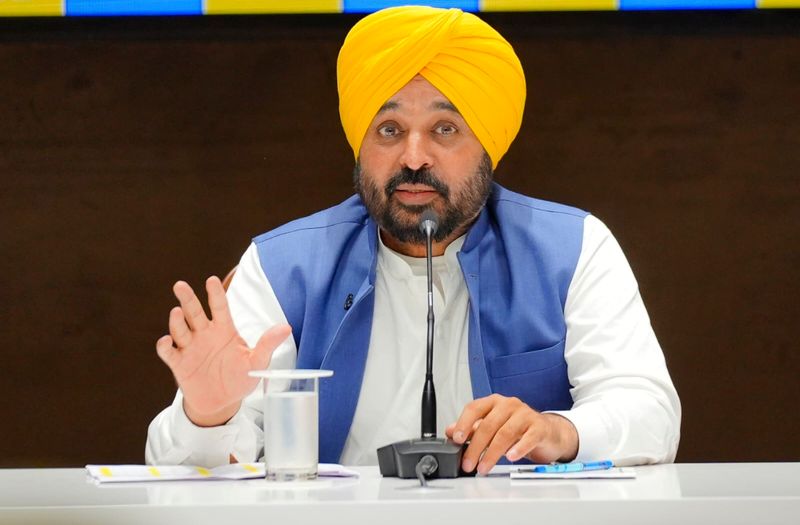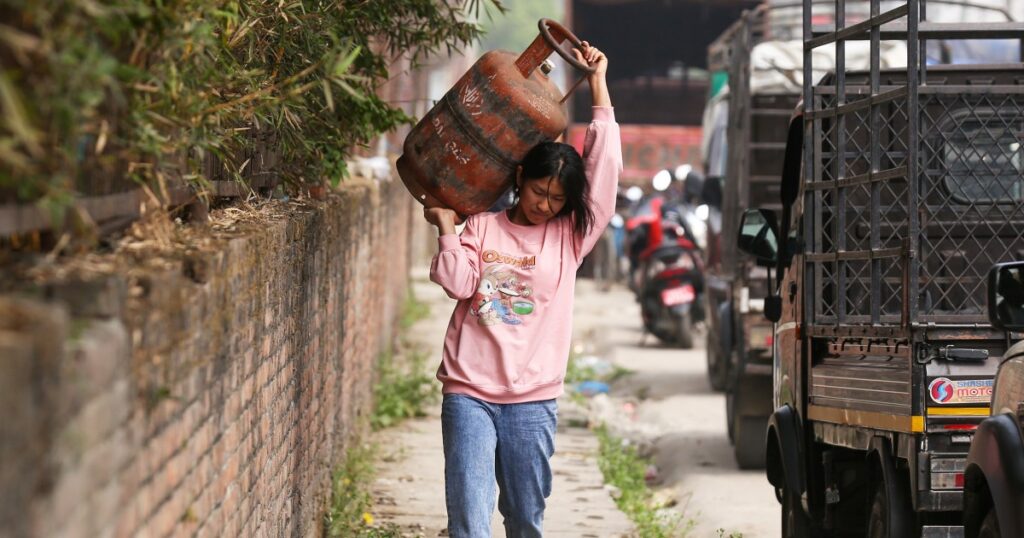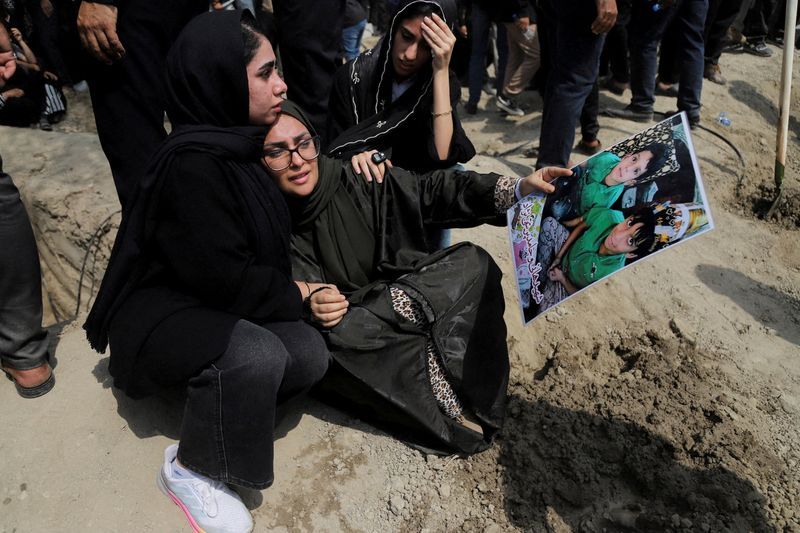

The US-Iran conflict continues to disturb the economic equilibrium, more than that the loss of a humane side of diplomacy is quite visible. The sinking of Iran’s naval vessel IRIS Dena by a US submarine off the Sri Lankan coast killing 87 people elicited silence from India. Not to forget the Minab tragedy in Iran where over 165 schoolgirls lost their lives in the US bombing. The absence of regret regarding IRIS Dena was in line with the Modi government’s cave-in to the US over the past year, writes former MEA Secretary Vivek Katju in his edit article Time for India to stand firm. At the recent Raisina Dialogue in Delhi, Minister S Jaishankar’s reference to IRIS Dena’s sinking was less than humane, insensitive and not in keeping with India’s cultural tradition of respectful reference to the dead. If it was humanity that made India accommodate an Iranian naval vessel, Jaishankar’s reference to IRIS Dena’s sinking and the loss of lives was less than humane, he writes. Jaishankar should be aware that his reference can only be perceived as kowtowing to the US, he feels.The military and economic policies of major powers are not creating a global environment that would be conducive to India’s emergence as a developed economy, writes senior journalist Sanjaya Baru in his Edit article Viksit Bharat is our grand strategy. What is India’s ‘grand strategy’? Should we not be objecting to their actions rather than remaining mute? Will the destabilisation of West Asia not slow down India’s journey towards Viksit Bharat, he argues. Our global personality as a liberal, plural and secular democracy has been defined by our constitutional principles and values. If the world is becoming less tolerant of such values, ought we not to reiterate our interests based on our grand strategy?The economic ramifications of the West Asia crisis are vast and widespread. The immediate impact of West Asia crisis has been stock market volatility around the globe. With energy facilities continuing to be targeted and crucial sea passages blockaded by Iran, a price surge is not likely to ease anytime soon, writes senior financial journalist Sushma Ramachandran in her Edit piece West Asia crisis roils oil, gas markets. As much as 85 per cent of LPG imports move through the blockaded Strait of Hormuz. The question is, what can India do to insulate itself from the global crisis? The first step is to continue with the policy of diversifying sources of oil supply that has served it well till now. The second is to contain the inflationary impact by ensuring that petrol and diesel prices are kept stable in the medium term. The skyrocketing international oil prices have the potential to create a perfect storm for the global economy. But the saving grace is that not only India, but it’s the entire world that has to tackle the consequences of a war that has engulfed the oil-rich nations of West Asia, she writes.Back home, the Opposition first brought a no-confidence motion (it was defeated by a voice vote) against Speaker Om Birla for not acting impartially and then toyed with a proposal for an impeachment motion against the Chief Election Commissioner (CEC). The BJP bowled a googly, harking back to “the mother of all legislation” the Women’s Reservation Act. It’s typical of the BJP to put the cart before the horse and score brownie points, writes senior journalist Radhika Ramaseshan in her article Women’s quota is back at the forefront. It is dawning on the BJP that the issues that formed the nucleus of its political strategies, like the Ram Temple and Hindutva agenda, might have outlived their utility or can no longer yield the projected dividends. At the core of the BJP’s strategic shift lies a political realisation: the indubitable significance of the emergence of a gender vote bank.In Punjab, the AAP government’s investment summit in Mohali garnered Rs 10,000 crore investment that may have come a bit late in the day. Punjab is not a consolation for the loss of Delhi or the pivot to relaunch the party across the rest of the country, writes Editor-in-Chief Jyoti Malhotra in her piece The way forward for Punjab in her weekly column The Great Game. If AAP wants to win Punjab again, it has to do much more; the state is just not interested in tokenism, she writes.There have been new gubernatorial appointments and resignations lately, which has brought the Governor’s role back into limelight. Overcentralisation suppresses the very diversity of strategies from which innovation arises in the states, writes senior SC advocate Sanjay Hegde The Union must not devour its States. The Governor’s office was conceived as a neutral constitutional link. It has become a partisan instrument as was evident in the combative relationship between Tamil Nadu CM MK Stalin and Governor RN Ravi. Tamil Nadu has done its constitutional duty. The Republic must now do its own, he writes.Nitish Kumar is all set to don a new role as Rajya Sabha MP, just three months after being anointed Chief Minister of Bihar for the 10th time. It marks the end of an ideological mould of politics characteristic of the state of Bihar, writes Manisha Priyam, distinguished Visiting Professor, Monash University, in her Op-Ed article Naya Bihar emerges after Nitish era. In the new milieu, there is a sunset of the old political ideologies led by Jayaprakash Narayan and Karpoori Thakur, and a quiet acceptance of a new crop of political leaders like Nitish Mishra, Nitin Nabin, Nitya Nand Rai, Vivek Thakur and Ratnesh Kushwaha, groomed under the leadership of the top political duo of Narendra Modi and Amit Shah.As North India heads into another punishing summer, we must acknowledge another form of warming that affects urban residents every day — waste heat. It is the heat released by vehicles, ACs, factories, power plants, diesel generators and machines that keep modern life running. This is why waste heat deserves greater attention in public discussion, writes former GNDU Professor SS Sekhon in his Op-Ed article Waste heat, the hidden source of rising temperatures in modern cities. It is not separate from development; it is one of the hidden costs of the way we develop. Punjab has an opportunity to respond early and intelligently by industrial waste-heat recovery. This will come about by better building design, insulation, reflective roofs and efficient appliances, he suggests.