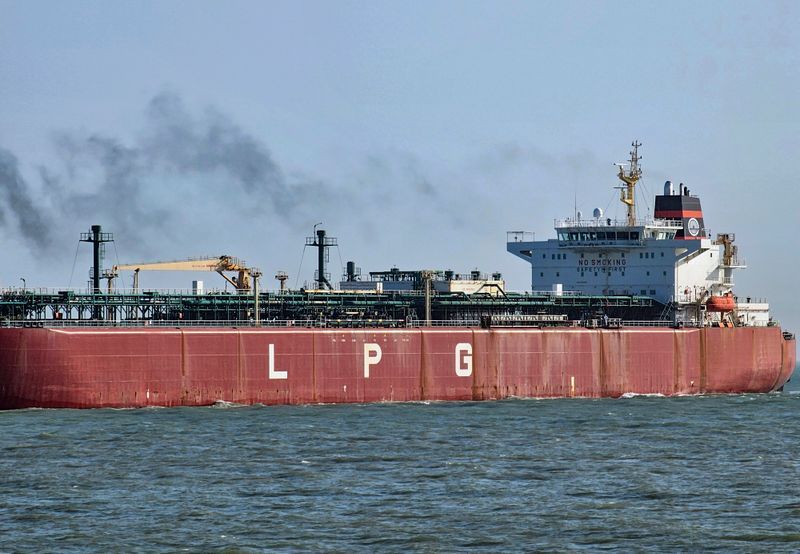

The continuing US-Israeli strikes on Iran and the subsequent choking of the Strait of Hormuz have again laid bare the profound vulnerability of India’s energy infrastructure. India’s energy policy is a masterclass in ‘loss control’, a reactive exercise in the face of externally induced shocks, says Lok Sabha MP and former minister Manish Tewari in his edit A masterclass in ‘loss control’.
The SHANTI Act locks India into a perpetual cycle of fuel dependence, importing reactors and the fuel to run them. So, do we continue to manage a crisis or do we architect a sustainable exit from it? “India must adopt a ‘risk avoidance’ doctrine fuelled by thorium,” he suggests a solution. A thorium-powered grid, operating at high-capacity factors, provides the perfect, carbon-free baseload partner to other variable renewable energy sources, he writes.
By granting only conditional approval to Indian-flagged tankers and requiring “case-by-case” diplomatic clearances for each transit through Hormuz, Tehran is reminding us that while India may be a “major defence partner” of the US, it is physically tethered to the Persian Gulf, writes former chief of naval staff Admiral Arun Prakash (retd) in his article India up against Hormuz dilemma. In this turmoil, India must consider breaking its traditional mould to resume leadership of the Global South. Capable of engaging all sides, New Delhi is uniquely positioned to act as a bridge across these deepening divides, he writes.
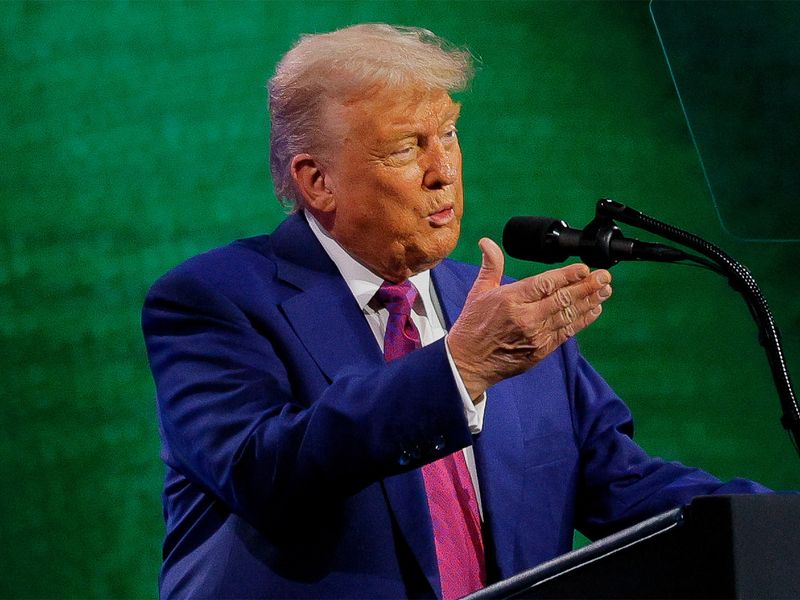
Meanwhile, the US priority seems to be a search for an exit from what is potentially turning into a military quagmire, writes ex-Ambassador to Iran Gaddam Dharmendra in his article Iran is nowhere near capitulation. Iran’s ultimate goal is basic and existential; it is laser-focussed on survival without surrendering to a much stronger adversary. Survival against the two most powerful militaries in the world would alone signify victory, he writes. Iran is signalling that it is prepared to defend itself for “as long as it takes” and that it has a voice on how this war ends, he writes.
From Iraq to Iran, we are watching the destruction of a civilisation for the second time this century. Isfahan and Kharg Island in Iran, among the world’s two most beautiful cities, have been reduced to rubble, while back home, the Government Museum and Art Gallery in Chandigarh remains a living witness to the division of the country in 1947, writes Editor-in-Chief Jyoti Malhotra in her weekly column article The art & culture of war.
Talking about another conflict brewing in our immediate vicinity, there was outrage in Afghanistan on the bombing by Pakistan of an addiction treatment hospital in Kabul which killed over 450 people. Four years after its return to power in Kabul, the Afghan Taliban has belied Pakistani hopes. The desire to hurt Afghanistan has led to an erosion of decency and compassion, writes former Ambassador to Afghanistan Vivek Katju in his Op-Ed article Why Pak-Afghan rift is rooted in distrust. Pakistani military establishment wants to control Afghan foreign policy. The Afghan, however, whether Taliban or secular, has not allowed any country to impose its will on its external choices, he avers.
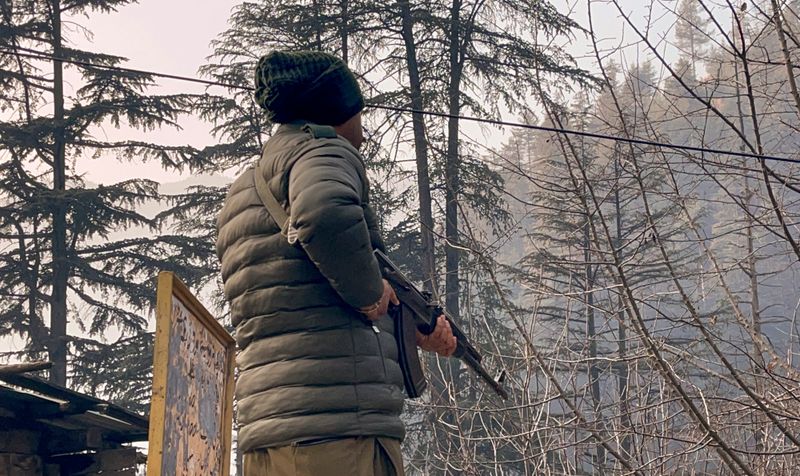
Back home, the government revoked the detention of climate activist Sonam Wangchuk, who had been held under the National Security Act following violent protests in Ladakh last year. An uneasy calm has prevailed since the protests, but beneath the quiet lies a deeper political drift — marked by confusion, miscalculation and a widening gap between expectations and political reality. Economic packages cannot substitute for political voices, senior fellow, Delhi policy group, P Stobdan in his Edit article Ladakh direly needs clarity, stability. If inclusion in the Sixth Schedule proves impractical, alternative constitutional mechanisms — such as protections under the Fifth Schedule or tailored provisions under Article 371 — deserve careful consideration. The dream of separation from J&K has given way to the complexities of self-definition, he avers.
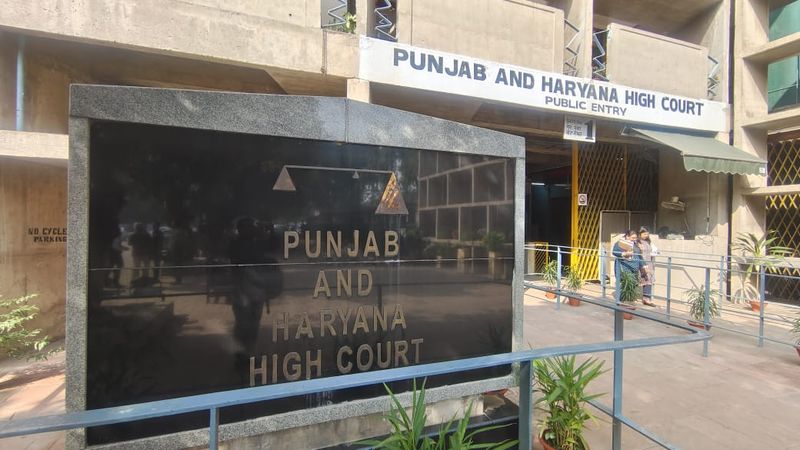
In Punjab, the BJP has sounded its poll bugle daring to go alone in the upcoming Assembly polls with Home minister Amit Shah laying stress on stopping religious conversions. An all-embracing Punjab won’t easily digest the BJP’s agenda of religious divisions, writes senior journalist Nirmal Sandhu in his Op-Ed piece For BJP, Punjab a tough mountain to climb. Punjabis generally vote to oust arrogant leaders, he writes. During the Punjab visits, the Modi-Shah duo did not touch the core Punjab issues nor did they offer any well-thought-out plan to extricate the state from the present predicament.
In a historic judgment, the Supreme Court allowed the first-ever case of passive euthanasia to end the life of Harish Rana, who has been in a vegetative state since 2013. It shows that judicial prudence ultimately rests on logic, practicability and reason beyond the temporary veil of emotion, writes former Haryana DGP KP Singh in his Op-Ed article Passive Euthanasia verdict: A delicate balance between life and dignity. Opponents, however warn against its misuse, stating that vulnerable patients may feel pressured into choosing death. It would also erode societal and familial commitment to the care of sick persons, he writes. It is important to have guidelines laid down as they would make it easier for the professionals to brief the patient/family regarding the limitations of possible aggressive efforts, writes former PGI Director KK Talwar in his article Passive Euthanasia: Need clear guidelines on end-of-life care.