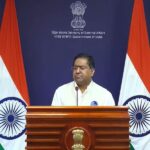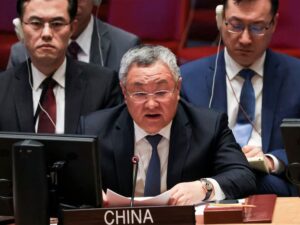

India on Thursday underscored the human and strategic costs of the escalating West Asia crisis, telling a high-level gathering of over 60 countries that it remains the only nation to have lost mariners in attacks on merchant vessels in the Gulf, even as it pressed for urgent de-escalation and restoration of maritime security.Representing New Delhi at the meeting convened by UK Foreign Secretary Yvette Cooper, Foreign Secretary Vikram Misri emphasised that freedom of navigation and unimpeded transit through international waterways were non-negotiable principles, particularly at a time when global energy lifelines were under severe strain.India highlighted the direct fallout of the crisis on its energy security and commercial shipping, noting that Indian seafarers had borne the brunt of attacks in the Gulf region — a distinction no other country currently shares.The meeting, attended by ministers and senior officials from more than 60 countries, comes amid intensifying tensions centred around the Strait of Hormuz, a critical artery for global oil supplies that has witnessed repeated disruptions and security threats in recent weeks.“The way out of the crisis lies in de-escalation and a return to diplomacy and dialogue among all concerned parties,” India said, signalling its consistent position of advocating restraint while safeguarding core economic interests.Earlier, Cooper set the tone for the discussions with a sharp critique of Tehran, accusing Iran of effectively “hijacking an international shipping route to hold the global economy hostage”. She called for the “collective mobilisation” of diplomatic and economic tools to ensure a “safe and sustained opening” of the Strait.The deliberations, held largely behind closed doors, focused on coordinated international responses to restore maritime stability, prevent further escalation, and secure critical energy supply chains.The urgency of the situation has also triggered parallel diplomatic efforts. The G7 group of countries are set to hold talks with the Gulf Cooperation Council next week, bringing together key oil-producing nations — including Saudi Arabia, the United Arab Emirates, Qatar, Kuwait, Oman and Bahrain — to address the unfolding crisis.The renewed push for multilateral engagement follows remarks by Donald Trump, who said the US did not require oil transiting through the Strait and urged countries dependent on the route to take the lead in reopening it.For India, however, the stakes remain immediate and tangible. With a heavy reliance on Gulf energy imports and a vast merchant fleet operating in the region, disruptions in the Strait of Hormuz directly threaten both economic stability and the safety of its nationals.