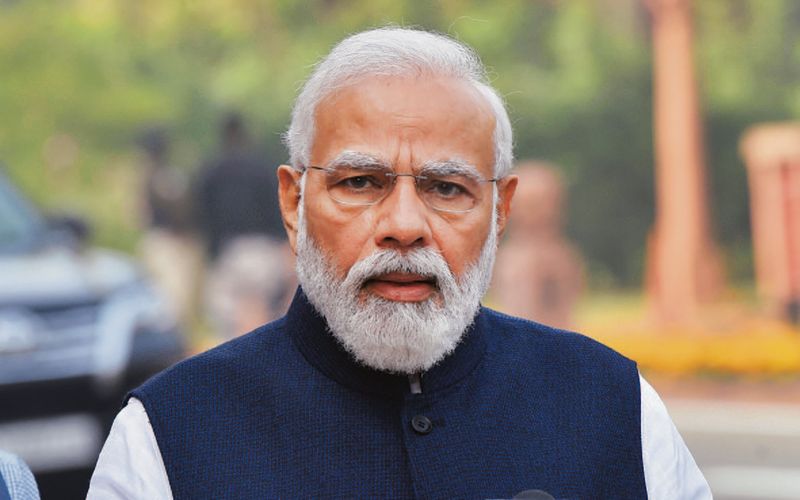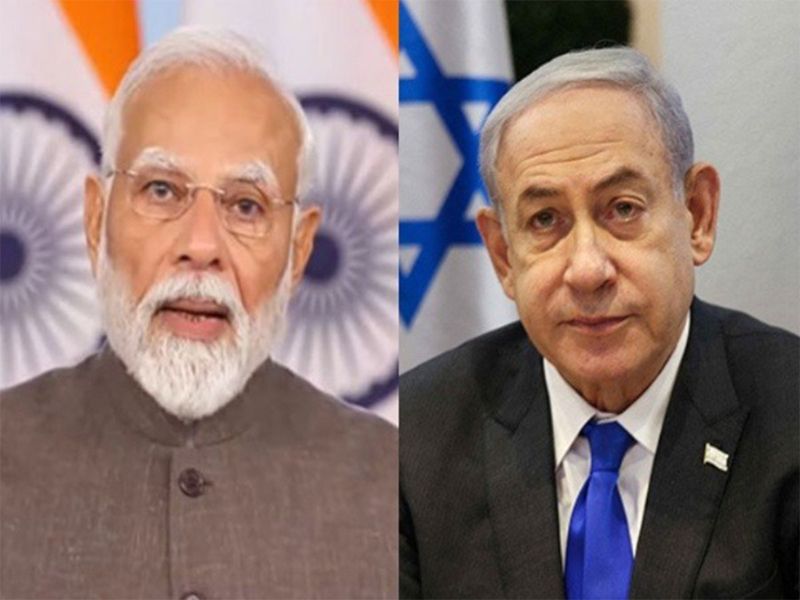

India and Israel have launched the first round of negotiations for a proposed Free Trade Agreement (FTA), coinciding with Prime Minister Narendra Modi’s two-day state visit to Israel beginning February 25.The inaugural round of talks, which will continue till February 26 in New Delhi, follows the signing of ‘Terms of Reference’ in November 2025 that set the framework for structured negotiations to deepen bilateral trade and economic engagement.Total merchandise trade between the two countries stood at USD 3.62 billion in FY 2024-25. Officials said the proposed FTA is expected to provide greater certainty and predictability for businesses, including MSMEs, and act as a catalyst to expand trade by leveraging complementarities in sectors such as high technology, agriculture and services.Technical teams from both sides are holding discussions on trade in goods and services, rules of origin, sanitary and phytosanitary measures, technical barriers to trade, customs procedures and trade facilitation, and intellectual property rights.Commerce Secretary Rajesh Agrawal said the negotiations had begun at an opportune moment, aligned with the Prime Minister’s visit. He highlighted opportunities in innovation, science and technology, artificial intelligence, cybersecurity, high-tech manufacturing, agriculture and services, asserting that FTA would help both sides fully harness these sectors.Meanwhile, Modi will hold delegation-level talks with Israeli Prime Minister Benjamin Netanyahu to review progress under the India-Israel Strategic Partnership and explore deeper collaboration in defence, security, innovation, water management and emerging technologies. He will also call on Israeli President Isaac Herzog.Government sources indicated that strategic and defence cooperation will figure prominently in the discussions, including joint development and co-production in advanced missile defence systems, drones and other critical technologies.The visit comes amid continuing regional tensions in West Asia, even as diplomatic engagement between Iran and Western powers seeks to prevent escalation. Officials said New Delhi’s outreach reflects its policy of strategic autonomy — strengthening ties with Israel and the United States while maintaining engagement with other regional stakeholders.The parallel launch of FTA talks and the Prime Minister’s visit is being seen as an effort to add economic momentum to a relationship that has steadily expanded across defence, technology and innovation domains.