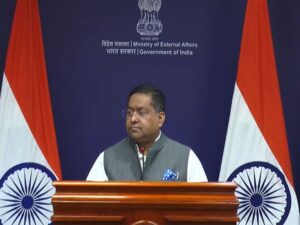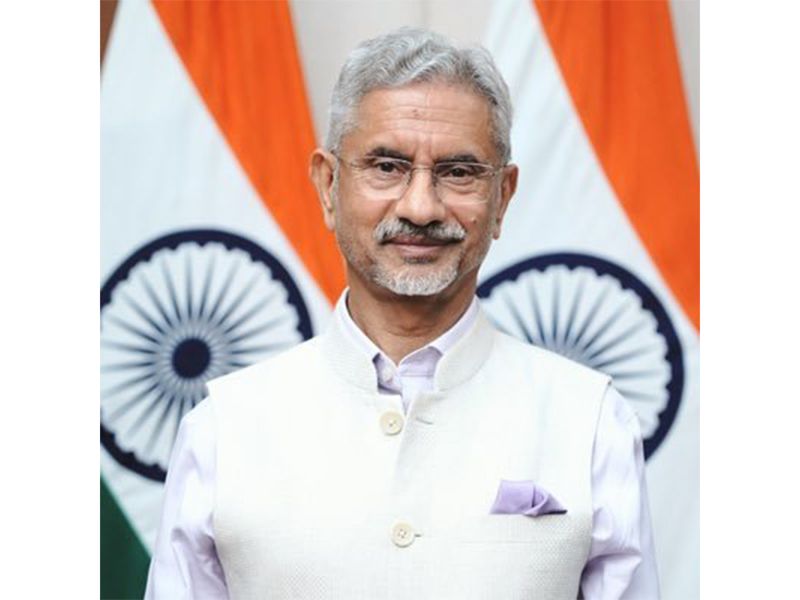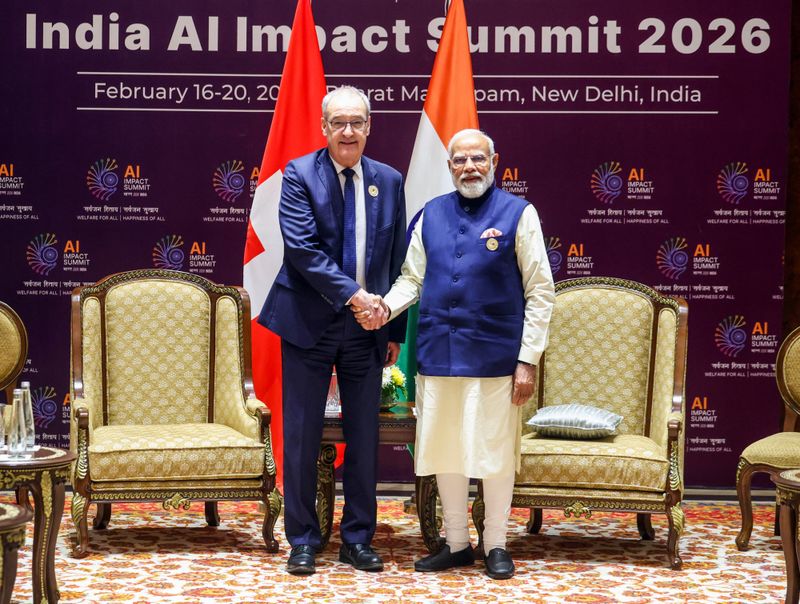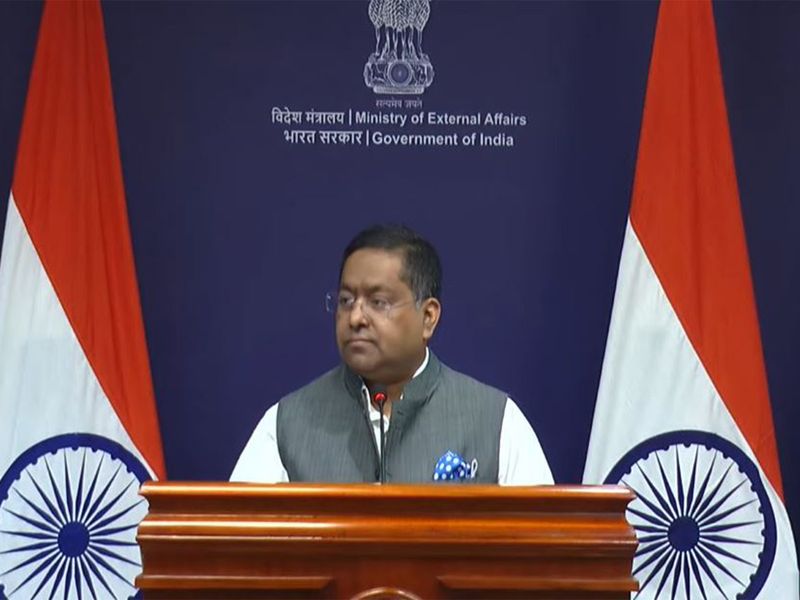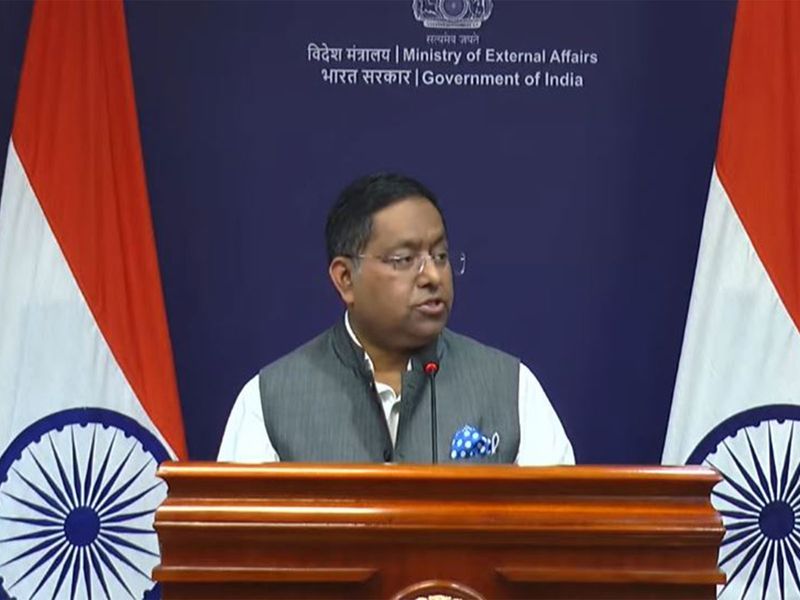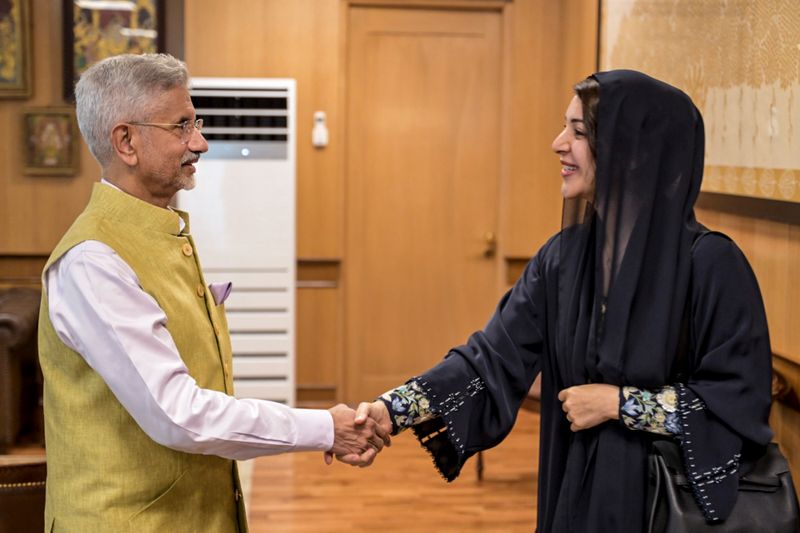

India has stepped up diplomatic outreach across regions and power centres in a bid to de-escalate the intensifying conflict in West Asia, engaging multiple stakeholders while firmly reiterating that dialogue and diplomacy remain the only viable path forward.Amid growing global concern, the Ministry of External Affairs (MEA) on Thursday confirmed that New Delhi is in touch with “all sides” and actively exchanging perspectives to help ease tensions, even as international voices, including Finland President Alexander Stubb, have suggested that India could play a meaningful role in brokering peace.Addressing the weekly media briefing, MEA spokesperson Randhir Jaiswal said External Affairs Minister S Jaishankar has been in constant contact with his counterparts across Gulf Cooperation Council (GCC) and West Asia.“The External Affairs Minister has spoken to his counterpart in the United Arab Emirates and several other foreign ministers in the region. They have exchanged perspectives on the developments,” Jaiswal said, underlining that India has consistently called for an early end to hostilities.“We have been reiterating that there should be an early end to this conflict, and the best way forward is through dialogue and diplomacy,” he added.Significantly, Prime Minister Narendra Modi himself has engaged in a series of high-level conversations with global leaders, reflecting India’s calibrated yet proactive diplomatic posture.On Thursday, Modi spoke with Haitham bin Tariq, Emmanuel Macron, Abdullah II and Anwar Ibrahim, focusing on the urgent need to de-escalate tensions and restore stability.In his conversation with the Omani Sultan, the Prime Minister conveyed advance Eid greetings and emphasised the importance of prioritising diplomacy. Both leaders agreed on the need for de-escalation and the restoration of peace, while Modi reiterated India’s condemnation of any violation of Oman’s sovereignty. He also appreciated Muscat’s role in facilitating the safe return of thousands of people, including Indian nationals, and stressed the shared commitment to ensuring safe and free navigation through the Strait of Hormuz.In a separate call with French President Macron, the two leaders discussed the evolving situation and underlined the urgency of returning to dialogue. “We look forward to continuing our close coordination to advance peace and stability,” Modi said, with Macron affirming that India and France are working together to keep diplomacy at the centre of peace efforts.During his conversation with Jordan’s King Abdullah II, Modi expressed concern over the deteriorating security situation and strongly condemned attacks on energy infrastructure, warning that such actions could trigger avoidable escalation. Both sides supported unhindered transit of goods and energy, with India also appreciating Jordan’s assistance in evacuating stranded nationals.The Prime Minister also spoke with Malaysian counterpart Anwar Ibrahim, with both leaders reaffirming their shared commitment to de-escalation and the early restoration of peace through dialogue.Parallel diplomatic engagements were also undertaken by Jaishankar, who held discussions with Israeli Foreign Minister Gideon Saar and met UAE Minister of State for International Cooperation Reem Al Hashimy. The talks focused on the ongoing conflict and its wider regional and global implications, including the safety of the Indian diaspora.The intensifying diplomatic activity comes against the backdrop of mounting international calls for India to leverage its growing global stature. Finnish President Stubb, who recently visited India for Raisina Dialogue, publicly suggested that New Delhi is well-positioned to contribute to easing tensions, particularly between the US and Iran, and to push for an immediate ceasefire.Meanwhile, India has also strongly condemned the recent spate of attacks on energy infrastructure in the Gulf region, cautioning that such incidents risk destabilising an already fragile global energy scenario.“Recent attacks against energy installations… are deeply disturbing and only serve to further destabilise an already uncertain energy scenario for the whole world. Such attacks are unacceptable and need to cease,” Jaiswal said.With global energy markets on edge and key maritime routes such as the Strait of Hormuz under scrutiny, India, one of the world’s largest energy importers, has underscored its stake in regional stability, safe transit, and uninterrupted supply chains.Even as the conflict continues to evolve, New Delhi’s approach reflects a careful balancing act — maintaining engagement with all sides while advocating restraint, de-escalation, and a return to diplomacy as the only sustainable pathway out of the crisis.