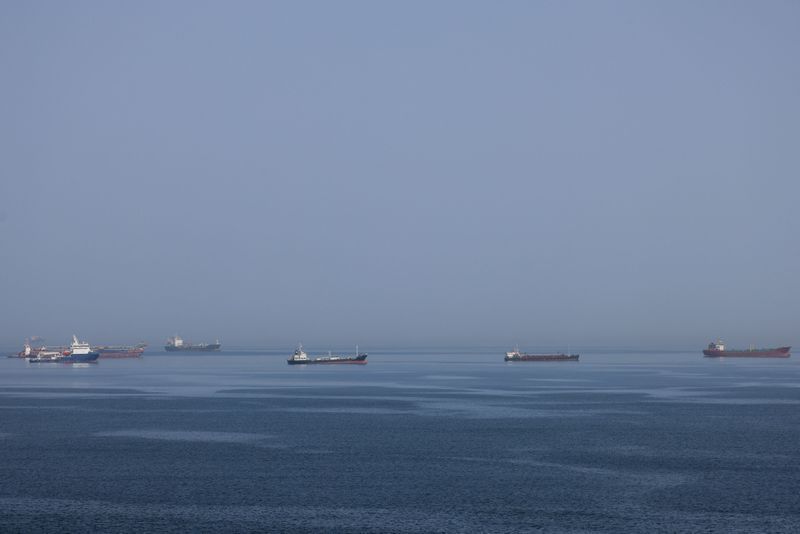

Iran has turned back a Karachi-bound container vessel from transiting the Strait of Hormuz, signalling tighter control over the critical maritime corridor even as tensions continue to escalate in West Asia.The Islamic Revolutionary Guard Corps (IRGC) Navy said the vessel, SELEN, was denied passage for failing to comply with mandatory protocols. IRGC Navy Commander Alireza Tangsiri said the ship was “turned back due to failure to comply with legal protocols and lack of permission to pass through the Strait of Hormuz”.“The passage of any vessel through this waterway requires full coordination with Iran’s maritime authority,” he said, asserting that enforcement of such controls reflected Iran’s operational grip over the strategic chokepoint.Shipping data show that SELEN was last reported in the Persian Gulf around 14 hours ago when it was en route to Karachi with cargo, with an expected arrival on March 27. The vessel, sailing under the flag of St Kitts & Nevis, is understood to be carrying food supplies bound for Pakistan.The incident assumes significance as it comes a day after Pakistan Prime Minister Shehbaz Sharif offered to host talks between the United States and Iran — a proposal that received a public nod from US President Donald Trump.While Islamabad has sought to position itself as a potential mediator in the conflict, Tehran’s action on the ground underscores the complex and often contradictory signals emerging from the region.The Strait of Hormuz remains one of the world’s most critical energy arteries, and any restriction on vessel movement — even on procedural grounds — is closely watched for its wider implications on global trade and energy security.Iran has in recent days reiterated that passage through the strait would be subject to its security framework, allowing only “non-hostile” vessels that comply with its regulations. The blocking of SELEN suggests that enforcement of these conditions is now being actively operationalised.