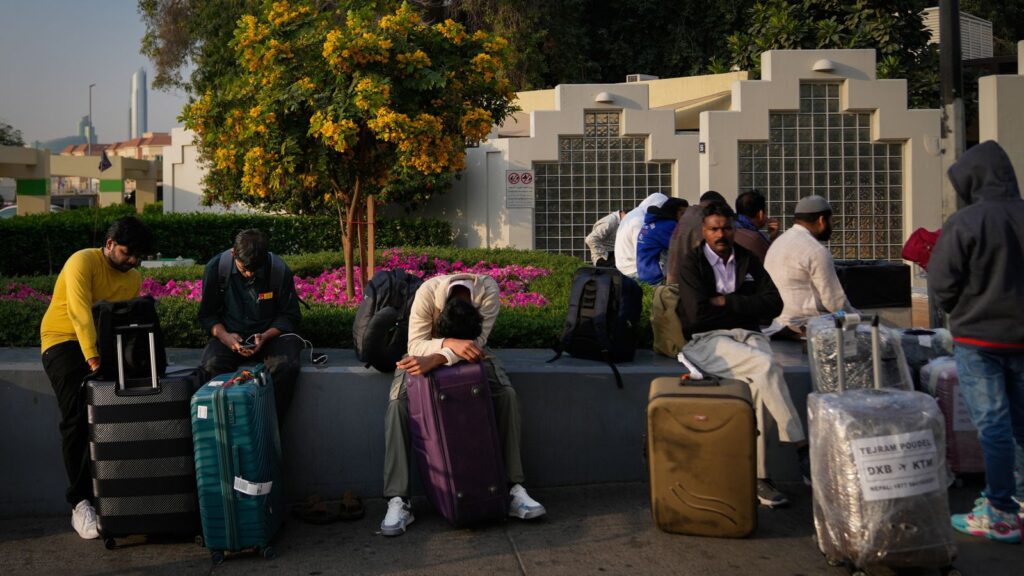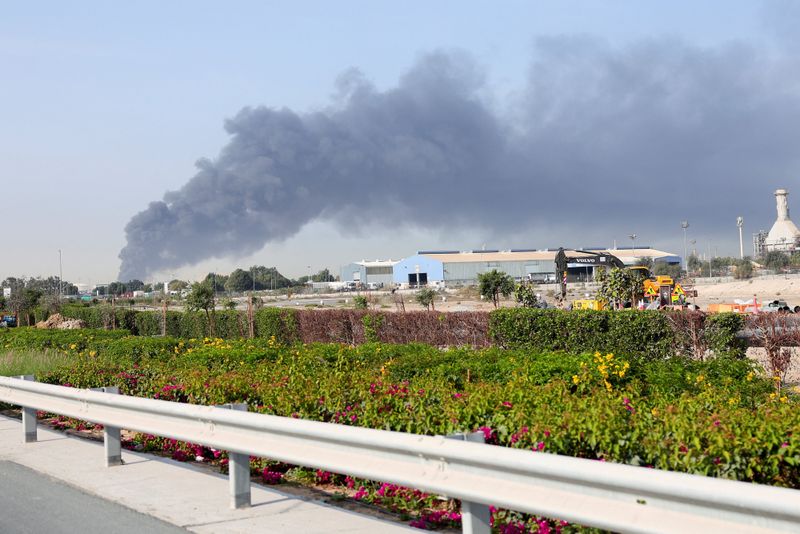

Violence across West Asia escalated sharply on Sunday as Iran launched fresh missile and drone strikes targeting military assets of the United States across the Gulf, triggering explosions in Dubai, Doha and Manama. The escalation has also deepened fears of a widening regional war, following the killing of Iran’s Supreme Leader Ayatollah Ali Khamenei.The authorities across the United Arab Emirates, Qatar and Bahrain activated air defence systems as multiple blasts were reported through the day in cities hosting major US military installations. Airspace restrictions and flight suspensions were also imposed after smoke was seen rising near key urban and aviation zones, including areas close to the Dubai International Airport.The strikes marked the second consecutive day of Iranian retaliation after coordinated US–Israel airstrikes on February 28 killed Khamenei and targeted Iran’s military and nuclear infrastructure.One Indian national was also injured in drone and missile strikes in the UAE. The Indian Embassy in Abu Dhabi confirmed it was in touch with the hospital authorities and said the injured person was out of danger, adding that all necessary assistance was being extended.According to the UAE Ministry of Defence, Iranian attacks since February 28 involved 165 ballistic missiles, two cruise missiles and over 540 drones, most of which were intercepted by air defence systems. However, several drones struck civilian locations, causing casualties and property damage.The ministry reported three deaths involving foreign nationals and at least 58 persons sustaining minor injuries, including residents of multiple nationalities, largely due to falling debris from intercepted projectiles.Iranian officials said the strikes were aimed at American military infrastructure across the Gulf, including facilities in Bahrain, Qatar and the UAE. Explosions were reported near the headquarters of the US Navy’s Fifth Fleet in Manama, while missile activity was detected around bases used by the US forces in Qatar and the Emirates.International broadcasters confirmed simultaneous explosions across Dubai, Doha and Manama as Tehran described the operation as a “legitimate retaliation” against US military presence in the region.The attacks have unsettled Gulf nations, which were long considered relatively insulated from direct conflict despite persistent regional tensions. While interception systems prevented large-scale damage, debris from destroyed drones and missiles caused fires and structural damage in parts of the UAE and Bahrain.The UAE urged restraint, warning that continued military escalation risked destabilising regional security and endangering civilian populations.Simultaneously, widespread airspace closures across Iran, Iraq, Qatar and the UAE disrupted global aviation routes, forcing airlines to reroute flights away from one of the world’s busiest transit corridors linking Asia, Europe and North America.Meanwhile, Israel continued strikes inside Iran, targeting what it described as operational command centres in Tehran, while Iran’s Revolutionary Guard vowed sustained retaliation until the US military assets in the region were neutralised.For India, the crisis carries particular concern given the presence of nearly nine million Indian nationals across Gulf countries. Officials in New Delhi are closely monitoring the situation amid rising risks to expatriate safety, energy supplies and regional shipping routes critical to India’s trade and oil imports.