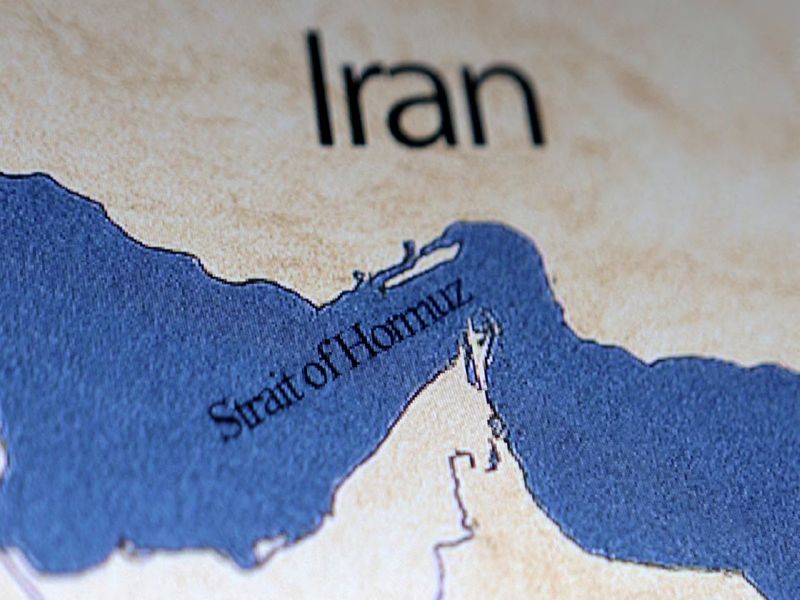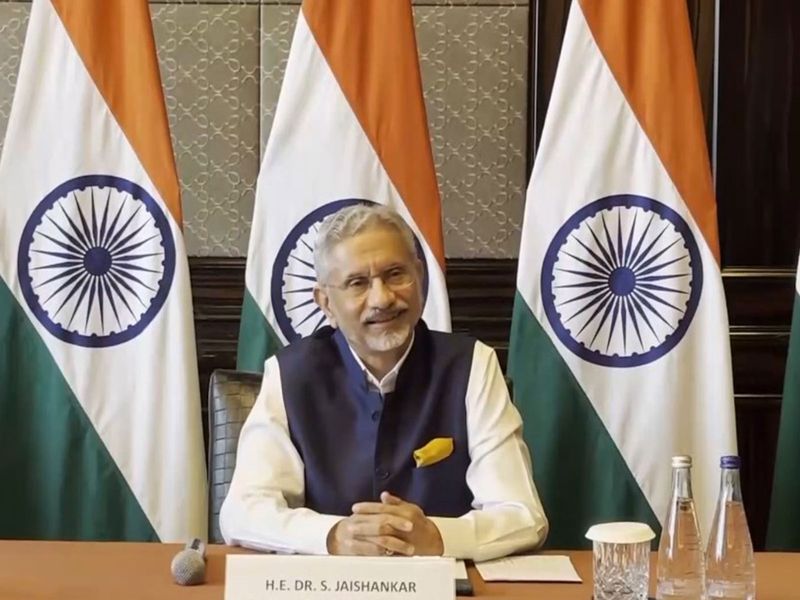

External Affairs Minister S Jaishankar on Sunday began his visit to the UAE, while Commerce Minister Piyush Goyal held a virtual meeting with his Saudi Arabian counterpart Majid bin Abdullah al-Qasabi.“We discussed strengthening India-Saudi Arabia trade relations, enhancing energy supply cooperation and advancing negotiations for a trade agreement between India and GCC (Gulf Cooperation Council) countries,” Goyal said.Jaishankar said he began his visit by interacting with members of the Indian community. “Spoke about the Government of India’s efforts towards their well-being and security amidst the West Asia conflict,” he said.He appreciated the contributions of the Indian community to local society during these difficult times, as well as the support of the UAE government in ensuring their welfare.Meanwhile, Minister of Ports, Shipping and Waterways Sarbananda Sonowal posted on X that another Indian-flagged vessel, ‘Jag Vikram’, navigated by 24 Indian crew members, successfully sailed out of the Persian Gulf region on April 11 carrying LPG.A day earlier, Sonowal had chaired a review meeting on port operations with senior ministry officials amid prevailing West Asia tensions.The minister also directed the Directorate General of Shipping (DGS) to ensure transparency in shipping-related charges and reviewed grievance redressal mechanisms at ports, with instructions to strengthen them.He had said that India’s major ports had cleared nearly 90 per cent of their cargo backlog. Indian ports have undertaken measures such as ground rent waivers, billing concessions, discounts on reefer charges and optimal yard utilisation to ease congestion and support trade, he had said.Major ports, including Deendayal Port, Jawaharlal Nehru Port, New Mangalore Port and Mumbai Port, have largely cleared their cargo backlog.A series of operational measures, increased yard capacities and improved logistics planning are said to have played a crucial role in achieving this.This comes as the Strait of Hormuz remains uncertain amid a fragile two-week ceasefire between Iran and US-Israel forces.The strait, which accounts for about 20 per cent of the world’s energy exports, continues to see reduced traffic, though marginally higher than levels before the ceasefire.