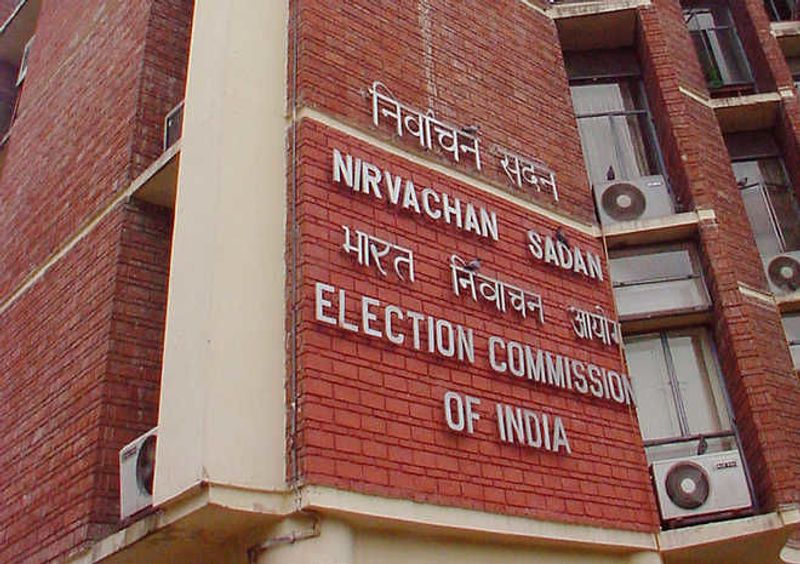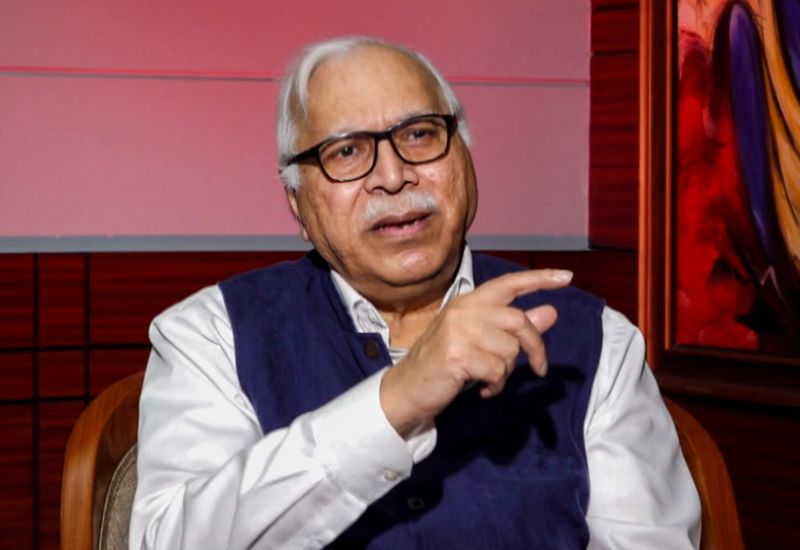

West Bengal’s electoral roll as of January 2025 is legally valid, and the forthcoming Assembly elections should be conducted on its basis, former Chief Election Commissioner (CEC) SY Quraishi said on Tuesday. He noted that since the adjudication of voters in the state is still incomplete, it can be carried out after the polls, and those with pending cases should be allowed to vote.He also questioned the need for conducting a special intensive revision (SIR) of electoral rolls across the country, pointing out that the system was already 99 per cent accurate after three decades of efforts by the Election Commission of India (ECI).“As per law, the existing electoral roll of any state is considered legally valid, and elections should be conducted on its basis. If the roll is not fully complete at any point, the existing roll remains valid. So, in West Bengal’s case, the January 2025 roll is valid and elections should be held accordingly. Those left out of adjudication cannot be termed ineligible and should be allowed to vote,” Quraishi said while addressing a seminar on “Challenges to Electoral Integrity: Examining Recent Evidence of Electoral Manipulations,” organised by the National Convener of Bharat Jodo Abhiyaan.He was referring to the January 2025 electoral roll of West Bengal, prepared after the summary revision conducted a year earlier.Quraishi reiterated that a nationwide SIR was unnecessary, as the ECI had already achieved nearly 99 per cent accuracy in electoral rolls after decades of effort. He recalled that during the tenure of TN Seshan in the 1990s, the decision to digitise electoral rolls significantly improved accuracy, with only minor discrepancies remaining. In 2003, it was further decided to undertake periodic summary revisions through house-to-house verification.“So, SIR was not needed as the system was already 99 per cent accurate after several decades,” he said, alleging that existing rolls were set aside to facilitate the revision exercise.On discrepancies between Form 17C and Form 20, Quraishi said even minor mismatches were unacceptable and supported a forensic audit of both. Form 17C records the number of votes polled on election day, while Form 20 is the final result sheet with booth-wise vote details for each candidate.“On counting day, Form 17C data is used, and once counting is completed, Form 20 is prepared. Even a minor discrepancy between the two can cause serious concern. For elections to be free and fair, the figures must tally. I fully support a forensic audit,” he said.Meanwhile, Yogendra Yadav presented an analysis of the 2023 delimitation exercise in Assam, highlighting how constituency boundaries with a majority population of a particular community were redrawn. He noted that while delimitation was conducted nationwide in 2006, Assam and Jammu and Kashmir were excluded, with the exercise for these regions carried out by the ECI only in 2023.Economist and political commentator Parakala Prabhakar and journalist Rajesh Mahapatra presented constituency-level analyses from Andhra Pradesh and Odisha during the 2024 elections, showing that polling percentages rose sharply — by around 12 percentage points — during late evening hours in seats where Assembly and Lok Sabha polls were held simultaneously.