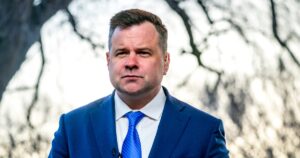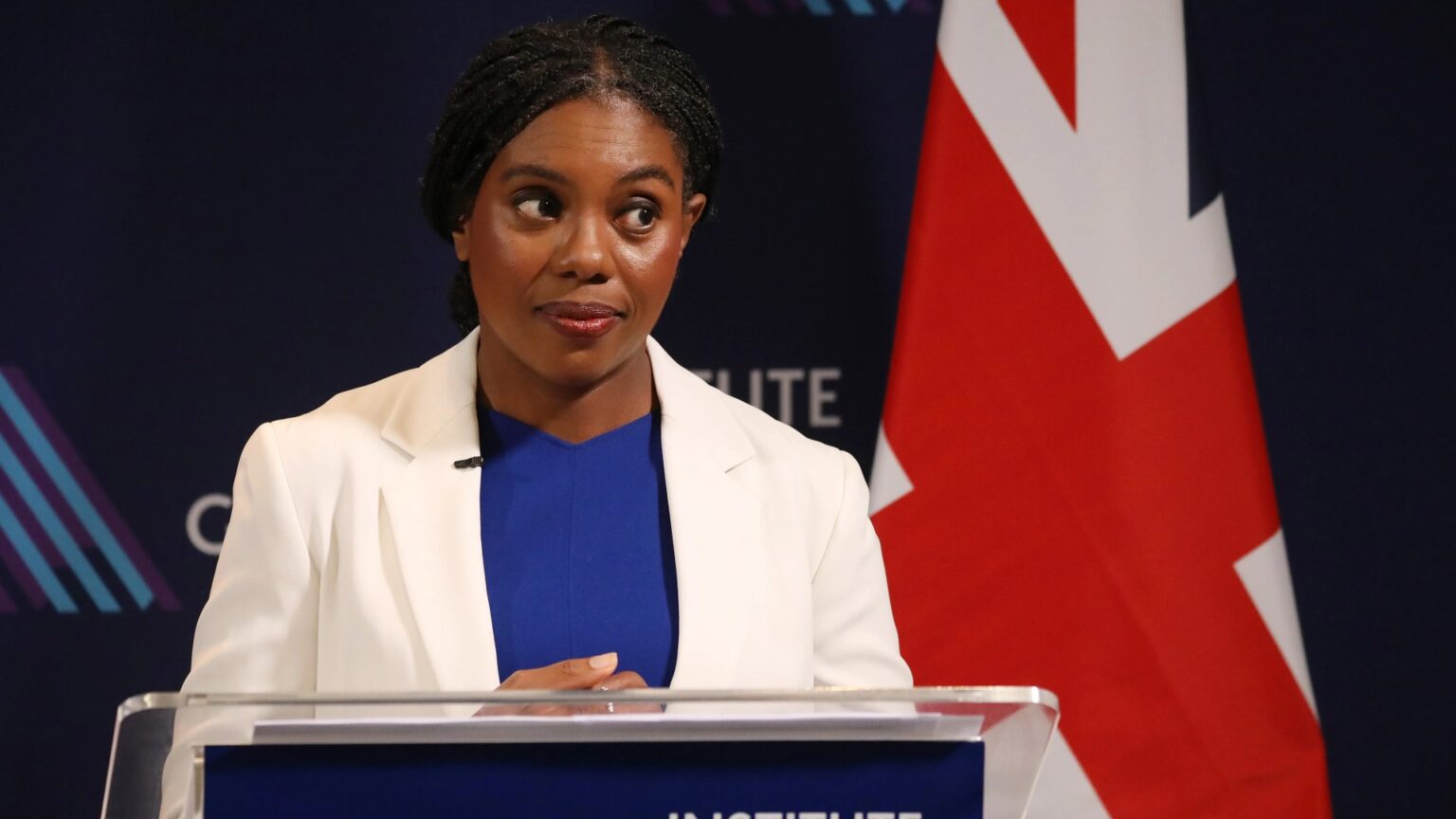


MORE young black men and boys should be stopped and searched by police if it helps save lives, Kemi Badenoch declared yesterday.
The Tory leader said officers should not hold back for fear of being branded racist.
Sign up for the Politics newsletter
Thank you!
More young black men and boys should be stopped and searched by police if it helps save lives, says Kemi Badenoch Credit: Getty
The Tory leader said officers should not hold back for fear of being branded racist Credit: Getty
She insisted some people would feel “uncomfortable” with her call to triple stop and search rates but argued public safety had to come first.
She said: “I’m afraid it doesn’t matter if more black boys are searched, because it will mean more black lives will be saved.”
The comments came as she unveiled plans to scrap the Public Sector Equality Duty, claiming it had fuelled identity politics across police forces, councils, prisons and other public bodies.
Ms Badenoch argued officials had become too focused on race, gender and other protected characteristics instead of doing their jobs.
IAN DRURY
PM would rather squander fortune on benefits than spend to protect us from Putin
POT RAID
Around 3M working Brits to be poorer thanks to Chancellor’s £5bn pensions raid
Asked whether tougher stop and search powers risked inflaming tensions, she replied: “The truth is that when black boys are searched more, more knives are found.”
She added: “We can’t leave people to carry knives because we think that we’ve searched enough people for today, because that means someone else’s life gets lost.”
In a speech at the Institute for Government, Ms Badenoch claimed public authorities had spent so long worrying about institutional racism that they had become “institutionally incompetent”.
She argued that fear had contributed to failures surrounding the Henry Novak case, the grooming gangs scandal, the Nottingham attacks and the Manchester Arena bombing.
Ms Badenoch said: “Each of these tragedies is different, but they expose a common weakness: authorities conditioned to see minority status as victimhood, they withhold information, they avoid difficult conversations, and they allow reputational concerns to dominate their decision making.”
She later also took aim at race, faith, gender and LGBT staff networks across the public sector.
Ms Badenoch said: “The public sector is paid for by taxpayers, paid for by everyone. They should be serving everyone, not splitting themselves into groups…
“Staff networks should not be anything more than social organisations.”