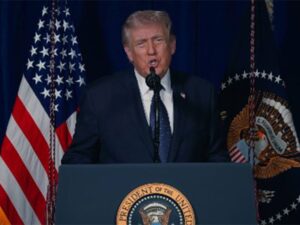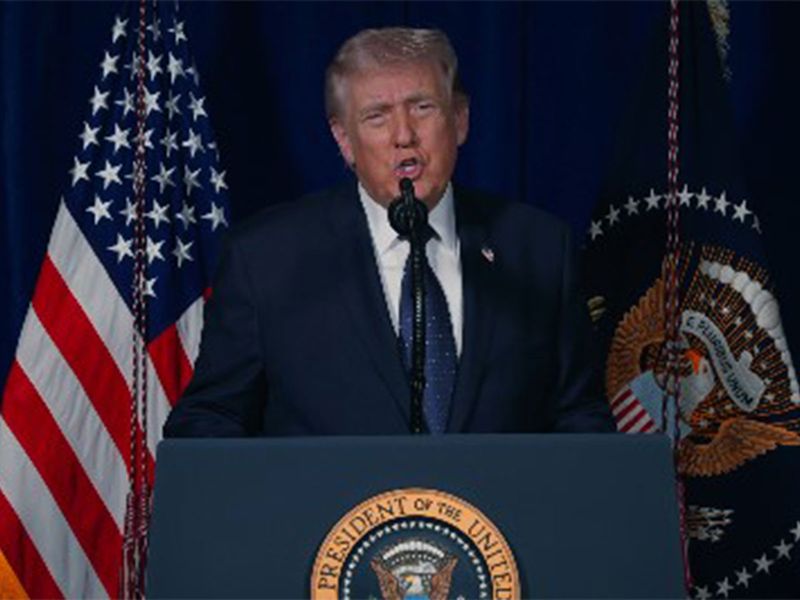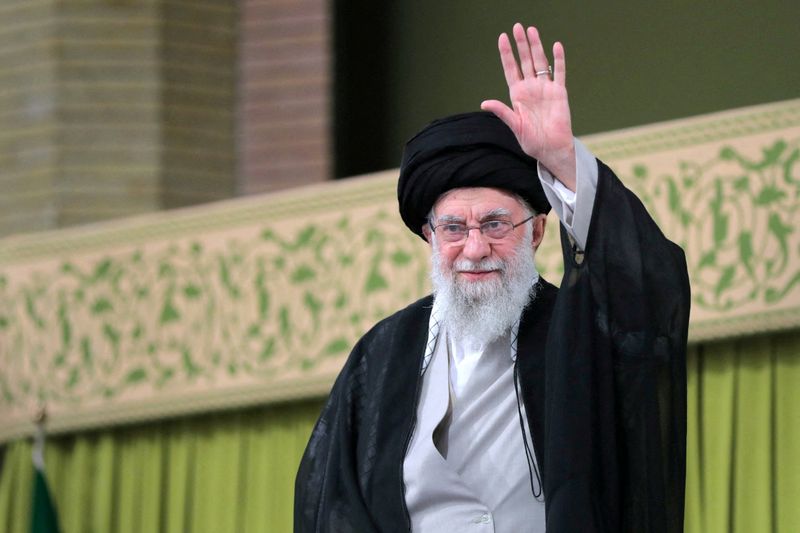

Ayatollah Ali Khamenei, Iran’s Supreme Leader for nearly four decades and the most consequential architect of the Islamic Republic after its founding generation, was killed on February 28 in a joint US-Israel airstrike on Tehran, bringing a dramatic end to one of the longest and most ideologically rigid leadership eras in modern West Asian politics.Iranian state media confirmed his death and announced 40-day national mourning. He was 86. Apart from Khamenei, reports indicated that former Iranian President Mahmoud Ahmadinejad was also among those killed in the US-Israel strikes.Iranian Labour News Agency and several international outlets reported that Ahmadinejad was killed after his residence in Tehran’s Narmak district was hit during the February 28 air raids, along with members of his security detail.Iran’s Foreign Minister Abbas Araghchi said the new Supreme Leader would be chosen in “one or two days”. He was speaking to the Al Jazeera network on Sunday.Khamenei was killed when precision strikes targeted senior Iranian leadership compounds in Tehran as part of a large-scale US-Israeli military campaign aimed at Iran’s nuclear and command infrastructure.Western and Israeli officials said the attack formed part of coordinated operations — codenamed Operation Epic Fury by Washington and Operation Roaring Lion by Israel — intended to neutralise what they described as an imminent strategic threat.Iran termed the strike an “act of aggression” and vowed retaliation, with President Masoud Pezeshkian declaring that avenging Khamenei’s death was a “legitimate duty” of the Iranian nation.Russian President Vladimir Putin said the killing of Khamenei and members of his family was “cynical” murder that violated all norms of human morality and international law. “Please accept my deep condolences in connection with the murder of Supreme Leader Khamenei and members of his family, committed in cynical violation of all norms of human morality and international law,” Putin said in a note to Iranian counterpart Pezeshkian.According to Iranian and western reports, the strike hit a secured command complex linked to the Supreme Leader’s office late Saturday night. Satellite imagery later showed extensive destruction at the site, while Israeli officials claimed Khamenei’s body was recovered from the rubble hours after the attack.Several senior military and security officials were also reportedly killed, dealing what analysts described as an unprecedented blow to Iran’s clerical-military leadership structure.US President Donald Trump confirmed the killing shortly after the strikes, stating that military operations against Iranian targets would continue until regional security objectives were achieved. He also urged Iranians to “take over your government”, though analysts note that the Iranian establishment has historically demonstrated strong institutional control during crises.Within hours of the assassination, Iran launched retaliatory missile and drone strikes targeting Israel as well as US military assets across the Gulf region, including bases in Bahrain, Kuwait and Qatar.Several Gulf states activated air defence systems and intercepted incoming projectiles. Casualties and infrastructure damage were reported in parts of the region.Airspace closures, disrupted commercial flights and heightened military alert levels across West Asia underscored fears of a wider regional conflict.Global energy markets reacted sharply amid reports that Tehran had moved to restrict shipping through the Strait of Hormuz — a critical artery for global oil supplies through which nearly one-third of seaborne crude trade passes.Khamenei’s death has triggered the most serious leadership transition in Iran since the 1979 Islamic Revolution. The authorities have activated Article 111 of Iran’s Constitution, initiating an emergency succession mechanism under which a three-member council temporarily assumes the Supreme Leader’s powers.Senior cleric Ayatollah Alireza Arafi has been appointed the jurist member of the interim leadership arrangement, completing the council tasked with exercising supreme authority until the Assembly of Experts selects a permanent successor.The United Nations has called for immediate de-escalation, warning that continued hostilities risk pushing the region towards an uncontrollable war.For Iran and the wider West Asia, the assassination marks not merely the death of a leader but the abrupt closing of the post-Khomeini political order — and the opening of an uncertain and potentially volatile new chapter.