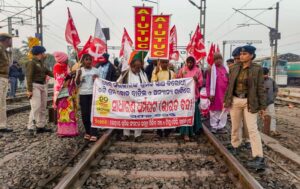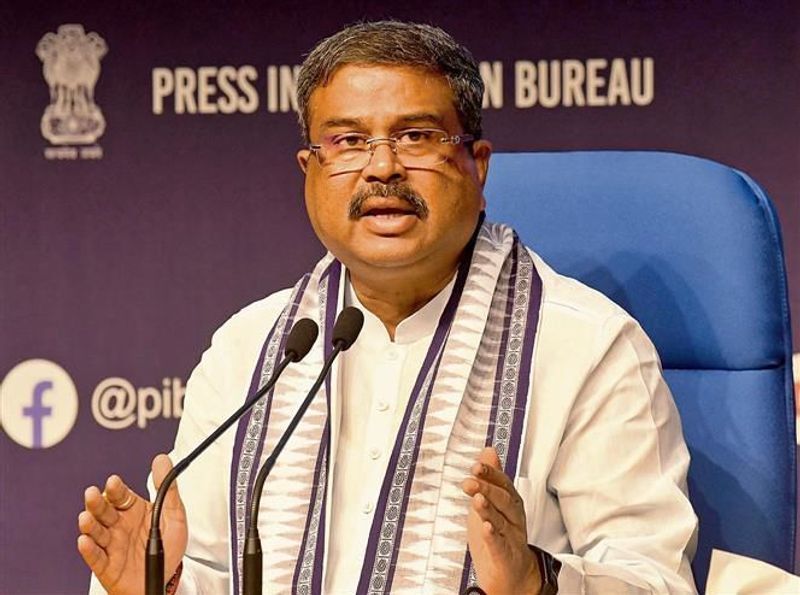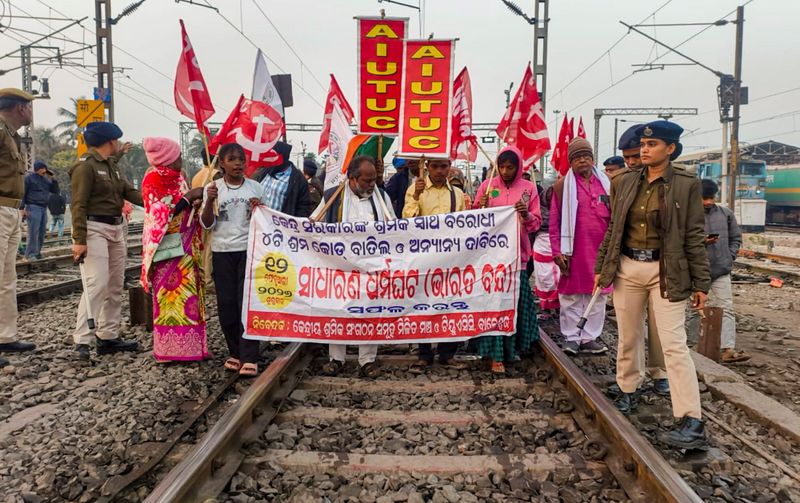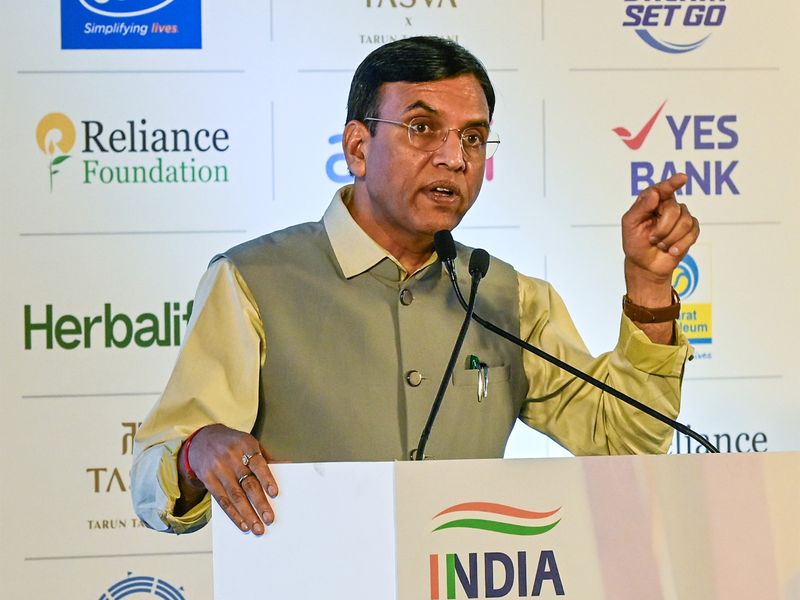
The Lok Sabha on Thursday passed the Industrial Relations Code (Amendment) Bill, 2026, which seeks to amend the Industrial Relations Code, 2020, to remove any scope for future legal ambiguity.The amendment aims to clarify the continuity and repeal of three labour laws that were subsumed under the 2020 Code — the Trade Unions Act, 1926, the Industrial Employment (Standing Orders) Act, 1946, and the Industrial Disputes Act, 1947, governing trade unions, industrial employment and industrial disputes.While these laws already stand repealed under Section 104 of the Industrial Relations Code, the government said the Amendment was necessary to prevent any confusion arising from a mistaken interpretation that the power to repeal had been delegated to the executive.Replying to the discussion before the Bill’s passage in the Lower House, Union Minister for Labour and Employment Mansukh Mandaviya said the Bill guarantees the issuance of appointment letters to the youth.He said, “To every such youth who will get a job, an appointment letter must be given under all circumstances, so that there is written proof of the terms of employment. For equal work, the wages of female and male workers will no longer be different. Previously, there was no legal restriction on this.”He added that the hope for social security benefits had increased among gig workers and those working on contract. For workers who previously worked in mines or cleaned sewers, labourers in companies with at least 10 workers had access to ESIC treatment facilities.Until the new labour codes were adopted, an employee had to work for five years to be eligible for gratuity. “Now, under the new Labour Code, there’s a guarantee of gratuity even after working for one year,” the minister said.Earlier, while initiating the discussion on the Bill, Congress MP Kodikunnil Suresh said the Amendment did not amount to a reform, alleging that the government was weakening employment protection at a time when youth unemployment remained high.He alleged that at a time of rising youth unemployment, the government should focus on strengthening employment protection rather than weakening safeguards for workers. Labour reforms, he said, must prioritise job security and workers’ rights.The debate in Parliament coincided with a nationwide strike call given by a joint forum of central trade unions protesting what they described as the Centre’s “anti-worker, anti-farmer and pro-corporate” policies.Normal life, however, largely remained unaffected in several parts of the country, though a mixed response was reported from states including Odisha, Kerala, Tamil Nadu, Goa, Jharkhand, Chhattisgarh, Madhya Pradesh and Punjab.In some areas, public transport, markets, educational institutions and business establishments were disrupted, with protesters blocking major roads and stretches of national and state highways.