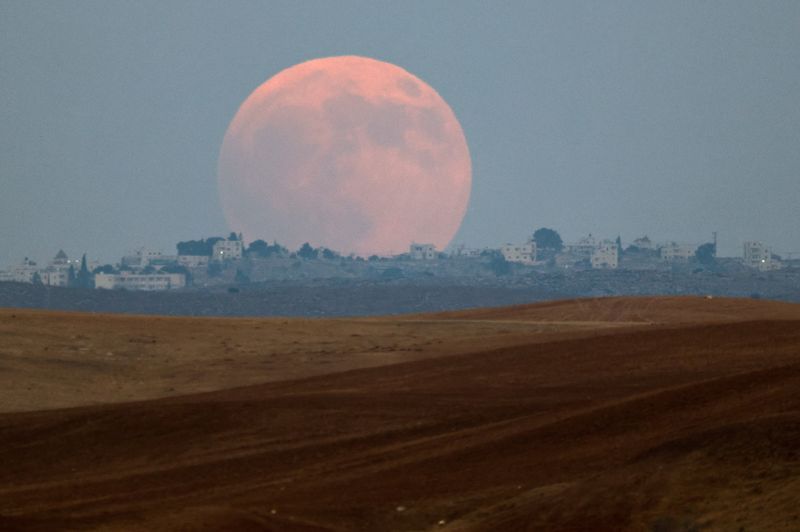

Temple darshan is traditionally restricted during a lunar eclipse due to a combination of mythological, ritual and spiritual reasons.According to Hindu mythology, eclipses occur when the demon Rahu swallows the Moon, creating a period considered spiritually inauspicious. Temples follow Agama Shastra, which mandates that regular pujas, abhishekam, and food offerings be suspended and sanctums be purified after the eclipse to maintain ritual sanctity.Eclipses are also believed to increase tamasic or negative energies, making darshan less favourable, so devotees are advised to meditate, chant mantras, or perform japa at home. Many people observe fasting during this time to prevent absorption of negative energies and focus on internal devotion. Scientifically, a lunar eclipse is a natural event caused by the Earth’s shadow falling on the Moon, posing no harm. Some temples, especially those dedicated to Shiva or Kali, may hold special prayers, as certain divine energies are considered more accessible during eclipses.Mythological beliefsAccording to Hindu mythology, a lunar eclipse (Chandra Grahan) occurs when the demon Rahu swallows the Moon.Rahu, along with Ketu (his body), is believed to cause eclipses as a punishment for the theft of the nectar of immortality during the Samudra Manthan.This association with a demonic influence makes the time spiritually inauspicious, and thus, temples are closed to avoid exposure to negative energies.Ritual purity according to Agama shastrasHindu temples follow Agama Shastra, which prescribes rules for worship, rituals, and cleanliness.During a lunar eclipse:Temple doors are closed.Regular pujas, abhishekam (ritual bathing of deities), and naivedyam (food offerings) are temporarily suspended.After the eclipse, temples undergo ritual purification, often including special abhishekam and cleansing of the sanctum to restore spiritual sanctity.Energetic and spiritual considerationsEclipses are believed to create tamasic (negative) energies, making spiritual practices like temple darshan less effective or potentially harmful.Devotees are encouraged to stay indoors, meditate, chant mantras, or engage in japa at home instead of visiting temples.Pregnant women, in particular, are advised to avoid exposure, as the period is considered delicate spiritually.Fasting and personal disciplineMany devotees observe fasting during a lunar eclipse, believing it prevents absorption of negative energies.Avoiding temple darshan during this time aligns with the practice of self-purification, focusing on internal devotion rather than external rituals.Scientific perspectiveA lunar eclipse occurs when the Earth comes between the Sun and Moon, causing the Earth’s shadow to fall on the Moon.There is no scientific evidence of danger or impurity during a lunar eclipse; the restrictions are purely rooted in spiritual and ritual beliefs.Exceptions in certain templesSome temples dedicated to Shiva, Kali, or local deities may remain open during eclipses for special prayers.These practices are based on the belief that certain divine energies are more accessible during eclipses, making it an auspicious time for specific rituals rather than general darshan.In essence, while scientific understanding shows eclipses are natural phenomena, traditional Hindu practices focus on spiritual protection, ritual purity, and internal devotion during this period.