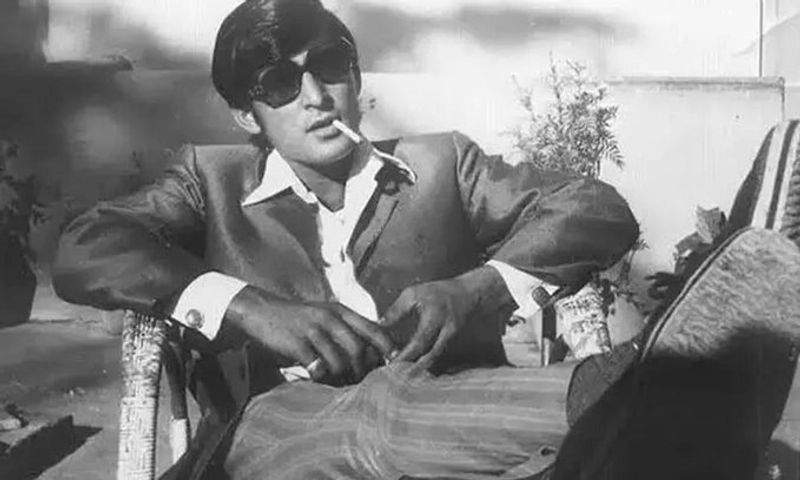

As fictional spy thrillers continue to captivate audiences, the story of Ravindra Kaushik stands out as a powerful real-life parallel—one marked not by cinematic glory, but by sacrifice, secrecy, and a tragic end.Born on April 11, 1952, in Sri Ganganagar, Rajasthan, Kaushik grew up near the India-Pakistan border, becoming fluent in Punjabi and local dialects. His talent for acting, displayed during a national theatre competition in Lucknow in 1973, caught the attention of India’s external intelligence agency, Research and Analysis Wing (RAW).Soon after, he underwent rigorous training to assume a new identity, according to VK Singh, a retired Major General and former RAW officer, in his book India’s External Intelligence: Secrets of Research and Analysis Wing (RAW),.In 1975, at just 23, Kaushik entered Pakistan under deep cover as Nabi Ahmed Shakir. He studied at Karachi University, earned a law degree, and achieved the near-impossible—joining the Pakistan Army, eventually rising to the rank of Major, writes Maloy Krishna Dhar, a former Joint Director of the Intelligence Bureau, in his memoirs Open Secrets: India’s Intelligence Unveiled.Between 1979 and 1983, he supplied critical intelligence to India, including details on troop deployments and sensitive developments near Kahuta.Recognising his contributions, then Prime Minister Indira Gandhi reportedly gave him the codename “Black Tiger.”However, his mission collapsed in 1983 after a junior operative was captured and exposed him, as per a report by The Telegraph.Arrested and interrogated by Pakistan’s Inter-Services Intelligence (ISI), Kaushik endured years of torture and isolation. Sentenced to death—later commuted to life imprisonment—he spent nearly two decades in prison.In letters smuggled to his family, he expressed deep anguish over being forgotten. On November 21, 2001, he died in Mianwali Jail due to illness and neglect, buried in an unmarked grave.Kaushik’s story raises a haunting question: was his sacrifice worth it? While his intelligence gave India a strategic edge, his fate underscores the silent cost of espionage—where heroes often remain unrecognised, even in death.Early life:Ravindra Kaushik was born on April 11, 1952, in Sri Ganganagar, Rajasthan. Growing up near the India-Pakistan border, he became fluent in Punjabi and regional dialects.Recruitment into RAW:His talent in theatre led to his recruitment by the Research and Analysis Wing (RAW) in 1973 after a performance in Lucknow impressed intelligence officials.Undercover identity:After two years of rigorous training, he was sent to Pakistan in 1975 under the alias Nabi Ahmed Shakir to carry out deep-cover espionage.Infiltration Success: Kaushik studied law at Karachi University and successfully joined the Pakistan Army, eventually rising to the rank of Major.Intelligence contributionsBetween 1979 and 1983, he provided critical intelligence on Pakistani military movements and strategic installations, strengthening India’s security position.RecognitionThen Prime Minister Indira Gandhi reportedly honoured him with the title “Black Tiger” for his exceptional service.Capture and betrayalIn 1983, his cover was blown after a junior operative was caught, leading Pakistan’s Inter-Services Intelligence (ISI) to arrest him.ImprisonmentKaushik was tortured, sentenced to death (later commuted to life imprisonment), and spent nearly two decades in harsh prison conditions.Death in custodyHe died on November 21, 2001, in Mianwali Jail due to illness and neglect, and was buried in an unmarked grave.