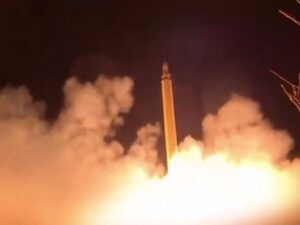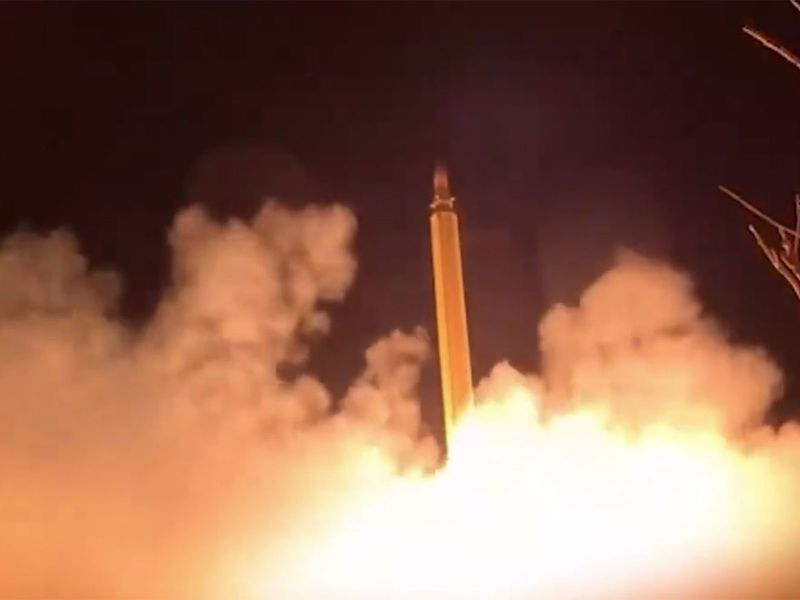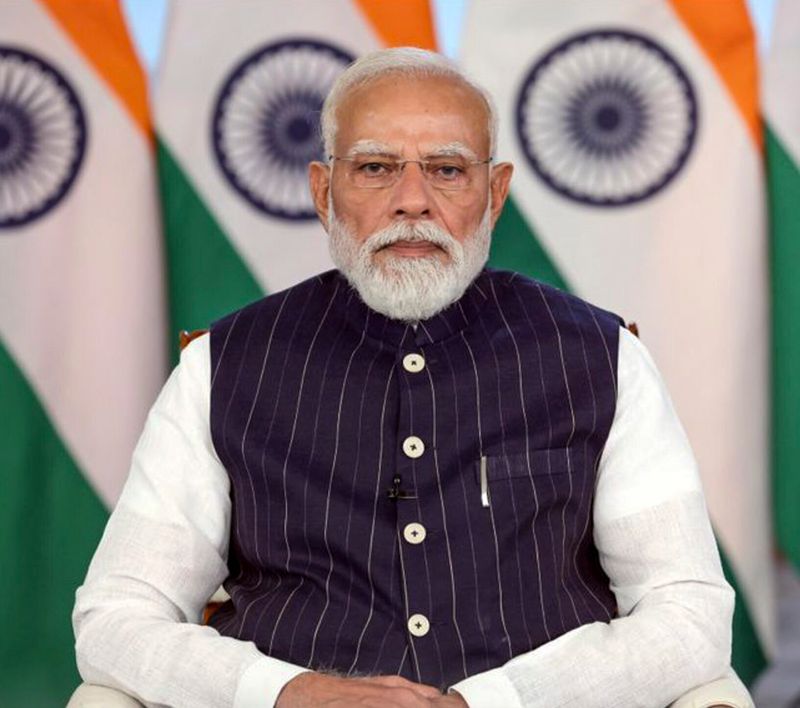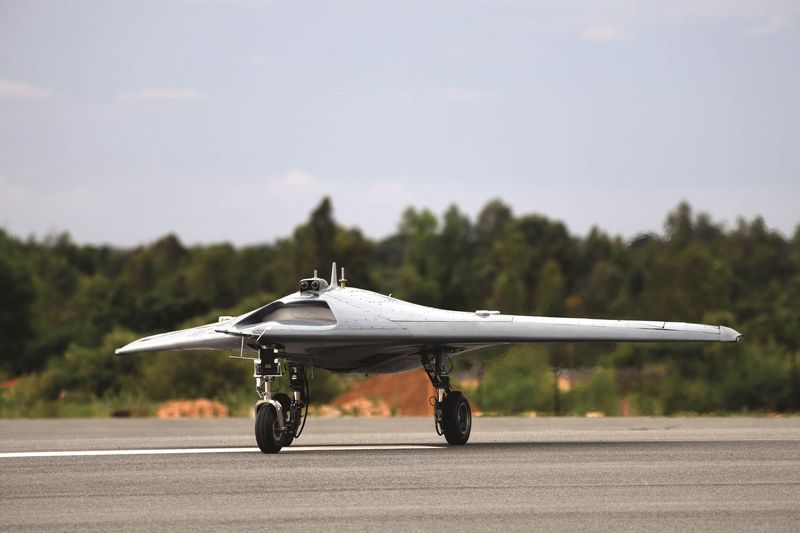

Drawing on lessons from Operation Sindoor, the Ministry of Defence (MoD) on Friday okayed five more Russian-origin air defence systems, the S400, and the first-ever indigenous attack stealth drone called ‘Ghatak’.The Defence Acquisition Council (DAC), the apex decision-making body at the MoD, met on Friday and okayed the procurement of five more S-400 systems, which performed creditably during operation Sindoor against Pakistan in May last year.These will be in addition to the already contracted five such systems, three of which have been delivered, and the remaining two are expected by this year.Seeing the use of drones in modern warfare, the DAC, which was chaired by Defence Minister Rajnath Singh, recommended the procurement of 60 Ghatak unmanned combat aerial vehicles (UCAVs).Developed by the Defence Research and Development Organisation (DRDO), Ghatak is a stealth-capable UCAV designed for low radar cross-section and internal weapon carriage.Once operational, the UCAV could undertake deep-strike missions, penetrating heavily defended airspace to hit high-value targets without placing pilots at risk. It can be tasked to destroy enemy air defences — including radar stations and missile systems — and strike strategic infrastructure with precision-guided munitions.The MoD said the S-400 system will counter enemy long-range air vectors targeting vital areas, while the UCAVs will enable undertaking offensive counter and coordinated air operations, also providing stealth intelligence and surveillance.Sources said the five additional S400 systems are expected to cost of $ 6.1 billion (approx. Rs 63,000 crore). The additional five systems would double the number of systems, as India ordered five S400 systems in 2018 for $ 5.4 billion.The addition of this expansion is part of a broader strategy announced by Prime Minister Narendra Modi on Independence Day 2025 to create a nearly seamless kinetic and electronic shield across India’s most vulnerable borders.The S400 system — radars, sensors, and missiles — was credited with intercepting Pakistani drones and cruise missiles. Last month, the Indian Air Force (IAF) put out a video showing the S400 firing away, and a missile showed what the IAF called the “longest-ever air kill” in military history, striking a high-value aircraft at a range exceeding 300 km.Official sources had indicated that a mere presence of the S-400 forced Pakistani fighters and AWACS (Airborne Warning and Control System) platforms to operate far back from the border, severely limiting their ability to coordinate strikes.