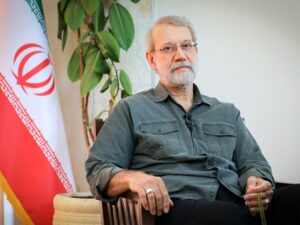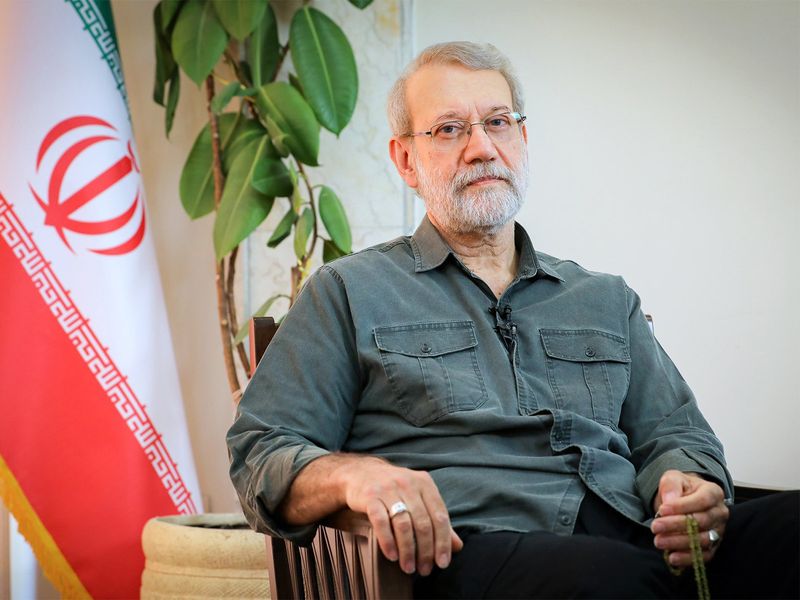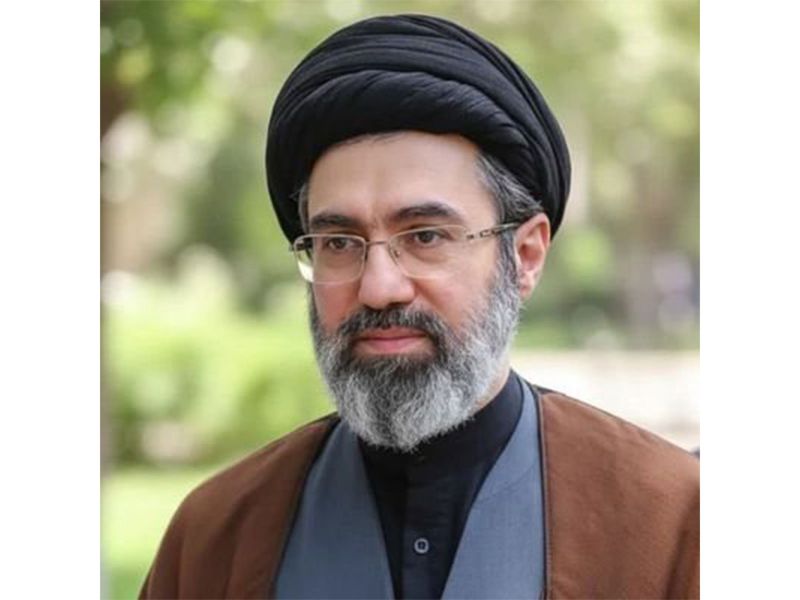

Iran’s new Supreme Leader Ayatollah Mojtaba Khamenei has rejected ceasefire or de-escalation offers conveyed by intermediaries even as Israel on Tuesday claimed to have killed top Iranian security official Ali Larijani and Revolutionary Guard’s all-volunteer Basij militia head Gen Gholam Reza Soleimani.Larijani was the secretary of Iran’s top decision-making body Supreme National Security Council and was widely believed to be running the nation as it reeled from the killing of its Supreme Leader Ayatollah Ali Khamenei on February 28 and a widening war. Soleimani led the powerful internal security service that has crushed waves of mass protests against the Shiite theocracy.Larijani and Soleimani were killed in overnight strikes in a blow to Iran’s leadership, Israeli Defence Minister Israel Katz said on Tuesday, while Tehran defiantly fired new salvos of missiles and drones at its Gulf neighbours and Israel.Mojtaba Khamenei’s stance for revenge against the US and Israel was “very tough and serious” in his first foreign policy session, an Iranian official said, without clarifying whether the leader attended the session in person.Meanwhile, US President Donald Trump said the scale of Iran’s retaliation caught them off guard, especially as it targeted the Gulf nations. “The US had not anticipated that Iran will strike beyond its immediate targets,” said Trump, describing the Iranian response as “unexpected and surprising”. “They weren’t supposed to go after all these other countries in West Asia. Those missiles… hit Qatar, Saudi Arabia, UAE, Bahrain and Kuwait. Nobody expected that. We were shocked. You know, they fought back,” Trump told reporters.Meanwhile, news agency Reuters cited its sources as saying that Trump had been warned that Iranian retaliation was certain. Trump was also warned that Iran might attempt to close the Strait of Hormuz.In Washington DC, the Pentagon sought to underscore the scale of the campaign. The US Central Command said it had hit more than 7,000 targets across Iran by the end of Monday, including missile sites, naval assets and command facilities.Earlier, Trump had defended the decision to join Israel in launching airstrikes on February 28, arguing the economic fallout was justified. He called the war’s impact on stock markets “a very small price to pay”. He also argued the war was necessary to prevent a wider conflict, saying that “had we not done this, you would have had a nuclear war that would have evolved into World War III”.Elsewhere, Israel reported continued overnight operations in Lebanon and Iran, while the US Embassy in Baghdad came under attack again, according to the Iraqi government. Projectiles were fired in Abu Dhabi and a tanker was struck in Oman.Health authorities have reported about 1,300 killed in Iran, 886 in Lebanon and 12 in Israel since the start of the war. The US Central Command has said 13 US service members had been killed and roughly 200 troops wounded.Meanwhile, European leaders again rejected Trump’s demand for naval assistance to help reopen the Strait of Hormuz, with leaders in the UK, Germany, Spain and Italy all signalling they would not send ships to the strategic waterway.The refusal came as the leaders of Canada, France, Germany, Italy and the UK issued a joint statement warning about escalating violence between Israel and the militant group Hezbollah in Lebanon and urged immediate de-escalation.