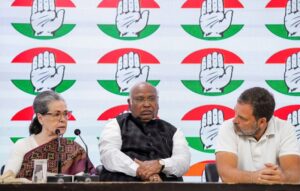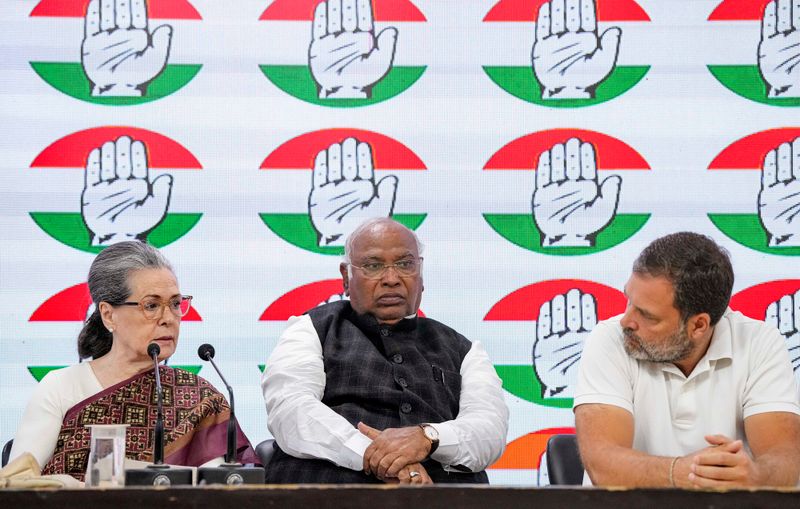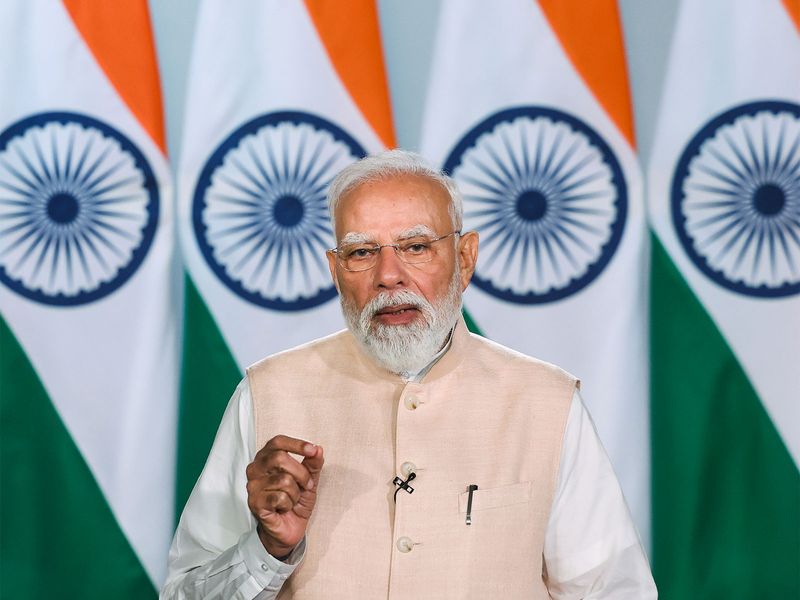

The ruling National Democratic Alliance members will meet here on Wednesday to mark 12 years in government and pass a resolution on Prime Minister Narendra Modi becoming India’s longest-serving Prime Minister, surpassing Jawaharlal Nehru.As many as 72 leaders of the ruling bloc’s constituents will be present as the NDA strategises for the path ahead, just after the opposition INDIA bloc gathering on Monday.The NDA is in power at the Centre and in 22 states with the BJP alone having chief ministers in 16. TDP chief N Chandrababu Naidu, JDS supremo HD Deve Gowda, JDU’s Nitish Kumar will be in attendance.The main agenda of the gathering will be passing of a resolution on PM Modi becoming the longest-serving elected Prime Minister of India on Wednesday.Prime Minister Modi took the oath of office on May 26, 2014. He will surpass the record of Pandit Jawaharlal Nehru, who first took oath as an elected Prime Minister on May 13, 1952, and served until 27 May 1964. Pandit Nehru’s tenure as an elected Prime Minister amounted to 4,398 days.From May 26, 2014, to 10 June 2026, Modi’s continuous tenure as Prime Minister will total 4,399 days, making him the longest-serving elected PM in India’s history. BJP leaders said the achievement was noteworthy given the scale and complexity of governance in India and the diversity of its landscape.”At a time when many countries have witnessed political churn, frequent changes in government and policy uncertainty, India has experienced continuity in leadership and governance. This reflects sustained public trust across three consecutive national mandates in the world’s largest democracy,” said NDA sources.They cited PM Modi being conferred with the highest civilian honours of more than 30 countries.The NDA resolution tomorrow will record all this and also the delivery of 250 million Indians from multidimensional poverty as reported by the World Bank.The resolution will further say that under Modi, India has strengthened its position as the world’s fastest-growing major economy, concluded major trade agreements with leading economies, and emerged as a more influential voice on global issues, including development, technology, climate action and the priorities of the Global South.