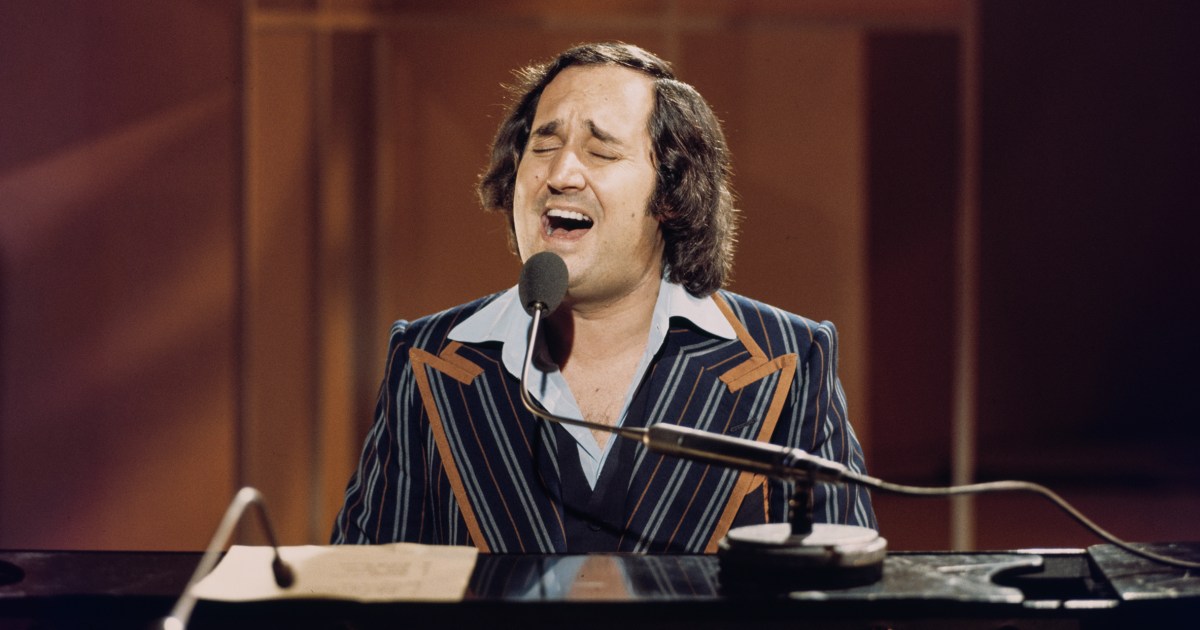

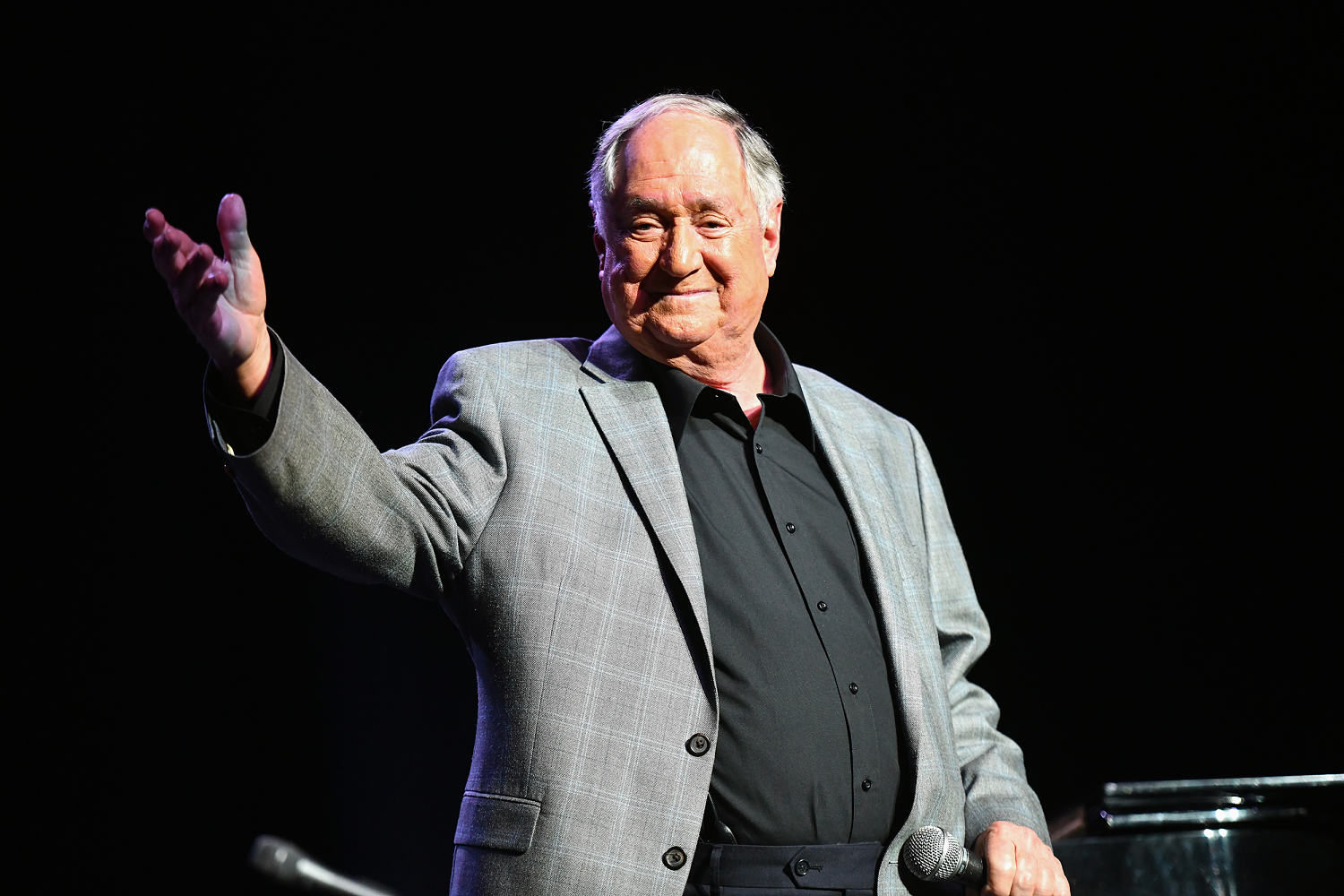
Neil Sedaka, one of pop’s most enduring songwriters, whose career extended from after World War II to the countercultural days of Elton John, died Friday at age 86, his family said.Sedaka was the writer behind hits such as “Breaking Up Is Hard to Do,” “Love Will Keep Us Together” and dozens of other hits. His cause of death was not clear. “Our family is devastated by the sudden passing of our beloved husband, father and grandfather, Neil Sedaka,” his family said in a statement to Jattvibe News. Sedaka, who was also a performer himself, had three No. 1 hits, nine Top 10 hits, and 30 songs on the Billboard singles chart, according to Billboard. He wrote songs and collaborated with Connie Francis, Frank Sinatra, Elvis Presley, Tom Jones, Elton John and Clay Aiken.Sedaka was born in New York City’s Brooklyn borough and grew up in its Brighton Beach section. He was the son of a taxi driver, who was the son of Turkish Jewish immigrants. Sedaka’s mother was of Polish-Russian Jewish descent, according to a bio from the Hollywood Walk of Fame.Neil Sedaka at the piano in 1960.Bettmann Archive via GettyIn a 2010 interview with Billboard, Sedaka said he had a grandmother who spoke Spanish. He said he was influenced, in part, by Tito Puente, whose performances at New York City’s legendary Palladium club he took in as a youth.”I still have that in my blood,” he said. “Plus, my grandmother spoke Spanish in the house, so I can speak.”Sedaka got his start in high school, performing with a doo-wop group, the Tokens, that recorded two well-received singles. Collaboration with his young neighbor, Howard Greenfield, led to a songwriting partnership that lasted a half-century and resulted in 40 million records sold between 1959 and 1963, according to his official bio.The partnership with Greenfield, with the two working out of New York City’s songwriting factory known as the Brill Building, helped put the Brill Building sound on the map, according to the bio.Connie Francis recorded the duo’s “Stupid Cupid,” putting them on the music industry map in 1959.”Breaking Up Is Hard to Do,” from 1962, epitomized Sedaka’s career at the time. The single he co-wrote with Greenfield features Sedaka’s clear, easy-to-listen-to voice over a traditional song structure at a time of tumult in music, when rock ‘n’ roll was transforming the landscape and starting its domination of radio.Sedaka in 1973. Michael Putland / Getty ImagesSedaka never quit and found a way to fit in as music evolved and the counterculture of the late 1960s and 1970s changed the rules and ushered in harder rock, disco, and a new reign of Black music from the likes of Marvin Gaye and Stevie Wonder.”I always make a conscious effort to write different styles and moods,” he told Billboard in 2010. “What I tried to do is write different moods.”A version of “Breaking Up Is Hard to Do,” re-recorded by Sedaka in the mid-1970s was nominated for song of the year at the Grammy Awards in 1977 but was beat, ironically, by “I Write the Songs,” which was performed, but not written, by Barry Manilow.Polished structure, a keen sense of melody and clean lyrics helped sell millions of records, but these elements of Sedaka’s brand couldn’t earn him a Grammy Award. He was nominated five times.Sedaka and Elton John in London, in 1975. Michael Putland / Getty ImagesSedaka was reintroduced as a performer to music fans by Elton John and his label, Rocket, which released “Sedaka’s Back” in 1974 and “The Hungry Years” in 1975, according to the bio.In 1995, he leaned on his classical training at Juilliard, where he learned about music at its preparatory division for children at age 8, to release “Classically Sedaka,” according to his bio and a bio from the Long Island Music & Entertainment Hall of Fame. In 2007, Sedaka was joined on stage by Connie Francis, Dion, Paul Shaffer, Natalie Cole, Clay Aiken, Renee Olstead, and Captain and Tennille for a celebration of his music, “Neil Sedaka: 50 Years of Hits,” at Lincoln Center to benefit the Elton John AIDS Foundation.Sedaka performing in Beverly Hills, Calif. in 2019.Scott Dudelson / Getty Images fileHe later appeared as a guest judge on television’s “American Idol.”He was inducted into the Songwriters Hall of Fame and got a star on the Hollywood Walk of Fame.Sedaka married his wife, Leba, in 1962. They had two children, daughter Dara, a TV and radio vocalist; and son Marc, a screenwriter; and three grandchildren, according to his bio.”A true rock and roll legend, an inspiration to millions, but most importantly, at least to those of us who were lucky enough to know him, an incredible human being who will be deeply missed,” his family said in Friday’s statement.