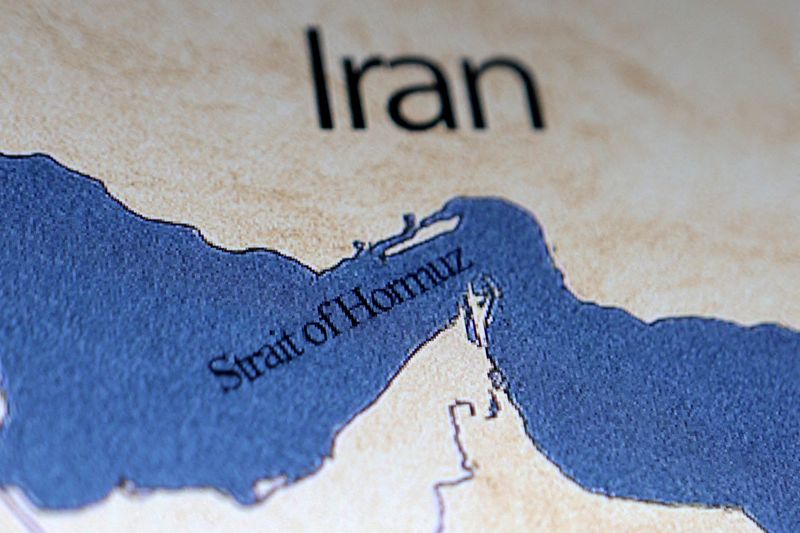

Iran on Wednesday said that “non-hostile” vessels may be allowed safe passage through the strategically vital Strait of Hormuz, even as tensions continue to simmer in the region.In a statement posted on X, the Permanent Mission of Iran to the United Nations said ships not linked to hostile actions against Tehran could transit the strait, subject to certain conditions.“Non-hostile vessels, including those belonging to or associated with other States, may—provided that they neither participate in nor support acts of aggression against Iran and fully comply with the declared safety and security regulations—benefit from safe passage through the Strait of Hormuz in coordination with the competent Iranian authorities,” the mission said.However, while Iran says that it will allow safe passage to only friendly countries, US President Donald Trump told reporters at the Oval Office in Washington that from now on they will control anything they want while responding to a question on the Strait of Hormuz.“We’ll have control of anything we want. Look, if we can end this without more lives being done, without knocking out 10 billion dollars electric plants at a brand new, I’ll be able to do that,” Trump said.The statement comes against the backdrop of heightened tensions in West Asia and concerns over disruptions to maritime traffic through the Strait of Hormuz, a critical global energy chokepoint handling a substantial share of the world’s oil shipments.Iran’s formulation introduces a conditional framework for navigation, linking safe passage to compliance with its security parameters and a vessel’s perceived neutrality in the ongoing conflict.The development is significant as it signals Tehran’s attempt to retain leverage over one of the world’s busiest shipping corridors while stopping short of a blanket closure of the strait.Global shipping and energy markets have been closely watching developments in the region, with any disruption in Hormuz carrying immediate implications for oil prices and supply chains, particularly for import-dependent economies such as India.The situation remains fluid, with diplomatic signalling and military posturing continuing in parallel as the conflict enters a critical phase.