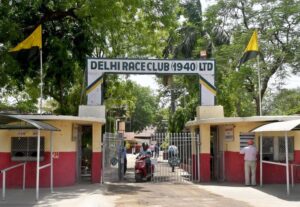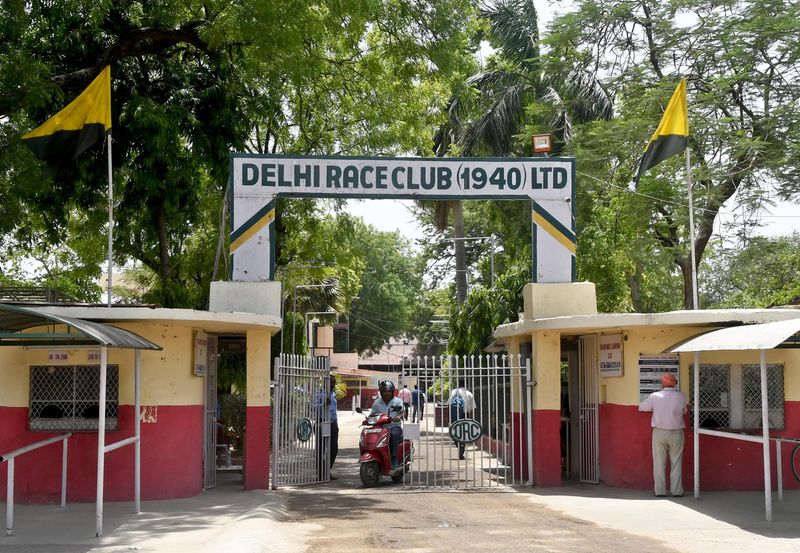

Not just the Delhi Gymkhana, another of Capital’s iconic clubs, Delhi Race Club (DRC) near Lok Kalyan Marg, which houses Prime Minister Narendra Modi’s residence, is also caught in a battle of survival after the Centre sent it an eviction notice earlier this March.The March 12 order placed the DRC, one of Delhi’s oldest colonial-era clubs, into direct conflict with the Centre.Though the Delhi High Court granted interim protection from eviction to the club, it continues to face scrutiny with the vacation notice still in place. The current standoff did not emerge overnight.Records show the first major confrontation between the government and DRC dates back to October 25, 1999, when the authorities initiated proceedings under the Public Premises (Eviction of Unauthorised Occupants) Act amid disputes over enhanced ground rent and occupation of the land parcel.On December 29 that year, the Delhi HC stayed proceedings before the estate officer, giving interim protection to the club. The litigation lingered for years, becoming part of a larger, unresolved dispute over the status of prime government land occupied by old colonial-time institutions.Over a decade later, the club again found itself under scrutiny, this time over betting regulation and taxation.On February 8, 2012, the Delhi High Court delivered judgment in ‘Delhi Race Club Ltd. vs Government of NCT of Delhi & Ors’, a dispute linked to entertainment tax imposed on mobile phones carried inside the racecourse.Documents in the matter seen by The Tribune reveal that authorities had raised allegations of illegal betting through mobile phones inside the betting ring and the government had temporarily banned the entry of mobiles into the betting area before later permitting these under strict record-keeping conditions.The scrutiny widened further in July 2013, when the Animal Welfare Board of India convened a meeting with turf clubs and racing authorities over allegations involving cruelty to racehorses, use of anabolic steroids, whipping practices and the condition of retired horses.The welfare board warned racing authorities that failure to evolve welfare mechanisms for racehorses and abandoned retired animals could invite intervention.The DRC entered legal spotlight once more in 2024 during proceedings before the SC in ‘Delhi Race Club (1940) Ltd. & Ors vs State of Uttar Pradesh & Anr’, decided on August 23, 2024.This dispute arose from allegations that over Rs 9 lakh remained unpaid to a supplier of horse grain and oats linked to entities associated with the club. The case involved allegations of cheating and criminal breach of trust.The SC, however, drew a distinction between ordinary commercial disputes and criminal prosecution, cautioning against mechanically converting contractual disagreements into criminal cases.The judgment later became significant enough for judicial authorities in UP to circulate administrative directions cautioning magistrates against casually invoking Sections 406 and 420 of the IPC together while taking cognisance in criminal cases.As DRC’s legal woes continued, tensions within the racing ecosystem began surfacing in courts.On November 26, 2025, the Delhi HC heard a challenge to the club’s ‘family unit’ restrictions governing horse ownership and participation in races.The club defended these restrictions arguing that they were necessary to prevent monopolisation and possible rigging because of the massive betting interests attached to horse racing. Taken individually, each dispute appears isolated.But collectively, these reveal a pattern of sustained institutional scrutiny around a club that sits on one of the most valuable land parcels in the Capital.