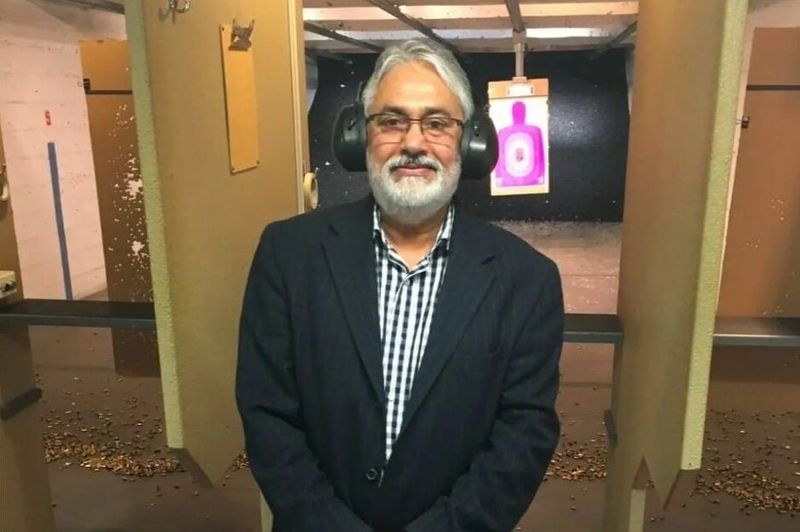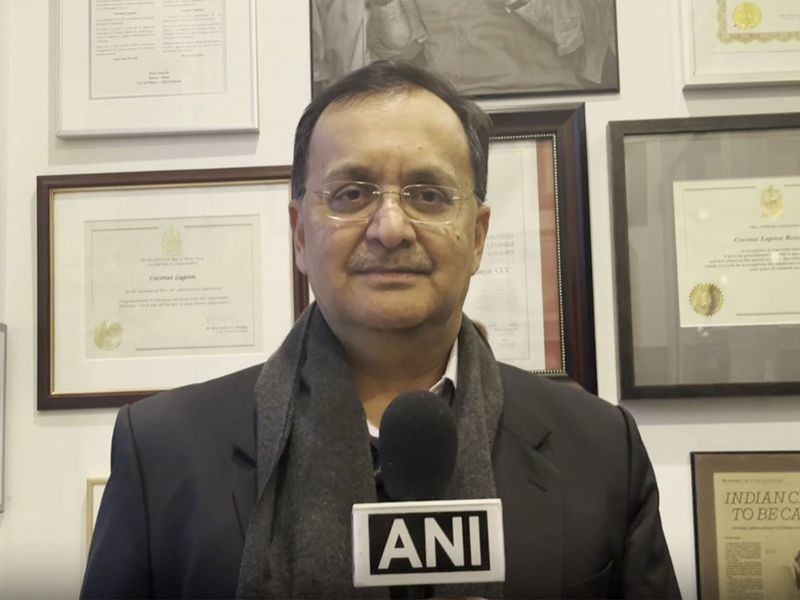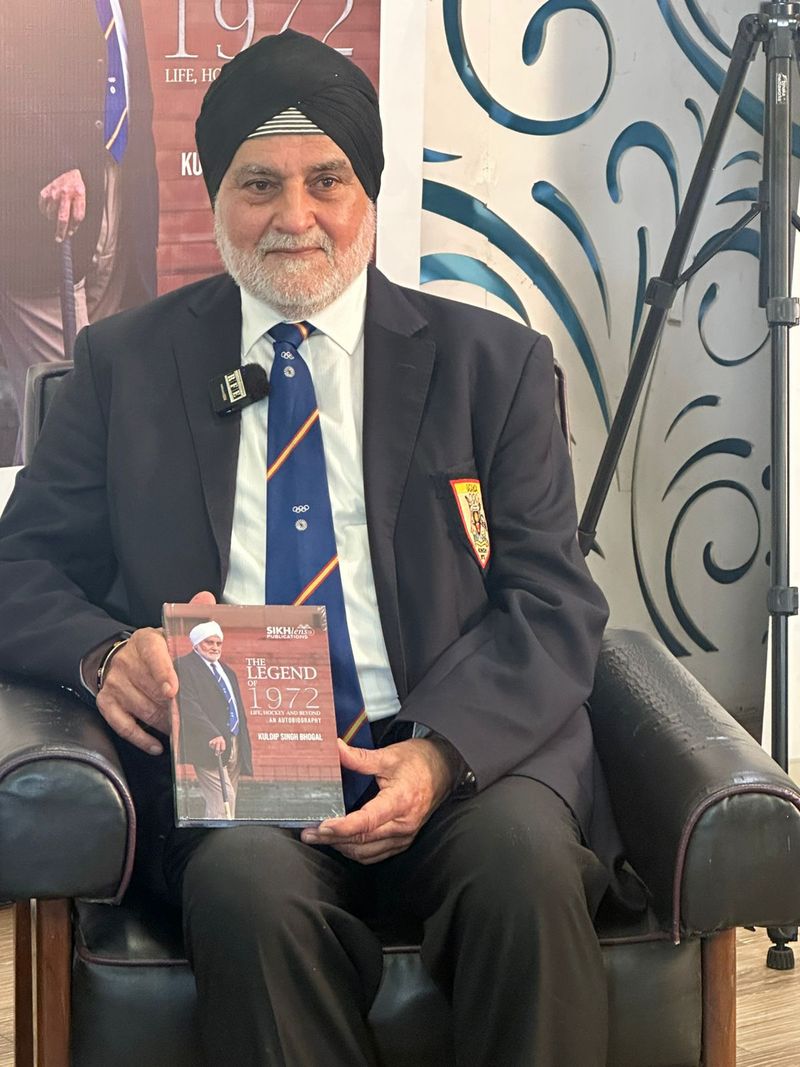
World hockey has undergone a dramatic transformation over the decades. For India, it led to a shift from an era of dominance to one shaped by rapid structural and tactical changes. Former Olympian Kuldip Singh Bhogal believes the game’s evolution altered the balance that once worked in India’s favour.“The game has changed a lot,” said Bhogal, who represented Uganda at the 1972 Olympics. “In our era, matches were played over longer durations on natural grass. Now it is four quarters on artificial turf. The modern game demands much greater tactical awareness.”The move away from natural grass proved decisive. The 1972 Munich Olympics, where India won bronze, was the last time the sport was played on grass at the Olympics level. Four years later, on artificial turf at the 1976 Montreal Olympics, India finished seventh, marking a visible decline as speed, power and structure began to outweigh close control and flair.Bhogal’s own journey sits at the centre of that transition. A Sikh born in Uganda, and the son of a carpenter, he rose through local hockey to represent the country at the Olympics. He scored four goals in Munich and was later selected in the World XI, an extraordinary achievement for a player from a non-traditional hockey power.Hockey gave him identity and dignity at a time when discrimination was a reality, Bhogal said at an event for the launch of his autobiography here on Monday.“In the beginning, people used to discriminate,” he recalled. “But once they knew who I was and what I had done in hockey, the respect came automatically. Sport gave me everything.”That sense of belonging was shattered on his return from Munich. Uganda was gripped by political turmoil under Idi Amin, and Asians were ordered to leave the country.“It didn’t feel like home anymore,” Bhogal said, describing the fear and uncertainty that followed. “People were scared. Everyone was trying to escape.”Forced to rebuild his life, Bhogal moved across continents, later captaining and coaching the United States national team, working with Canada, and contributing to the game’s growth in the West.Now, at 78 and settled in UK, his focus has turned to giving back. “I want to coach poor kids in India,” he said. “Talent should never be lost because of money.”