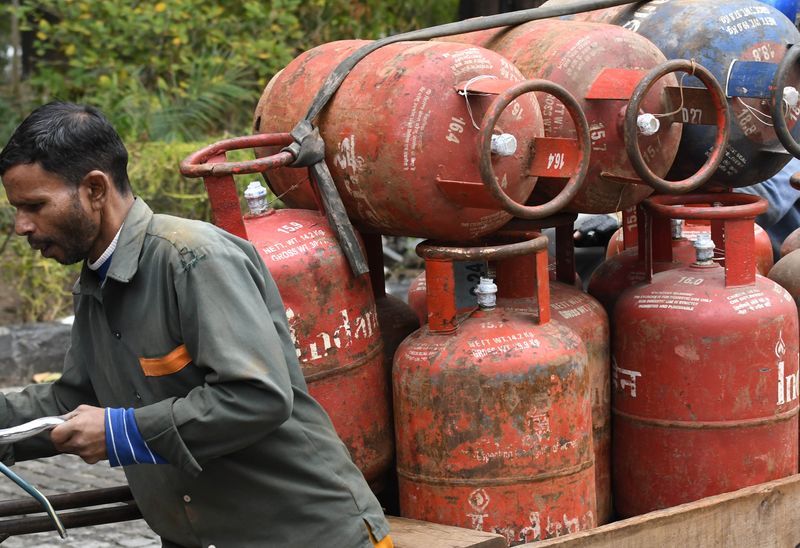

Panic buying driven by escalating conflict in West Asia has led to a sharp 20-30 per cent surge in domestic LPG bookings across Kangra district, even as the administration maintains that there is no shortage of supply.Long queues have become a common sight outside gas agencies across the district, especially during morning hours, as consumers line up early to secure cylinders amid fears of a possible shortage. The rush has added pressure on distribution points, despite adequate supplies.Deputy Commissioner Hemraj Bairwa said that daily LPG consumption in the district has increased over the past few weeks due to panic booking by consumers.Under normal circumstances, the district records a daily consumption of around 7,500 to 7,700 domestic LPG cylinders. However, this has now increased to between 9,000 and 10,000 cylinders per day.He said that the sudden rise in demand is not linked to any disruption in supply but is driven purely by consumer anxiety triggered by global developments.“There is absolutely no shortage of LPG in the district. Supplies are adequate, and the distribution system is functioning smoothly,” he said.Officials noted that news related to geopolitical tensions has created a sense of uncertainty among the public, prompting many households to book cylinders in advance, even when not immediately required. They warned that this surge in demand is artificial and could place unnecessary pressure on an otherwise stable supply chain. Home delivery services and supply through designated focal points are continuing as per prescribed route charts.Appealing to the public, Bairwa urged consumers not to fall prey to rumours or misinformation.“We request all residents to remain calm and avoid panic booking. Cylinders should be booked only as per actual requirement so that the system remains balanced and everyone gets timely supply,” he said.He also advised people to avoid crowding at gas agency godowns, stating that such gatherings could create unnecessary inconvenience. Consumers have been asked to follow the scheduled delivery system and collect cylinders only at their designated time and place.Reiterating that the situation is fully under control, the district administration assured that there is no cause for concern and that essential commodities, including LPG, are being adequately managed despite global uncertainties.The government has also introduced a priority-based allocation system to manage demand efficiently. Under this framework, 37 per cent of the total LPG allocation is reserved for educational institutions and hospitals; 14 per cent for social gatherings, and remaining 13 per cent for government offices and corporate establishments. The refill gape has been fixed at 25 days for urban areas and 45 days for rural areas.