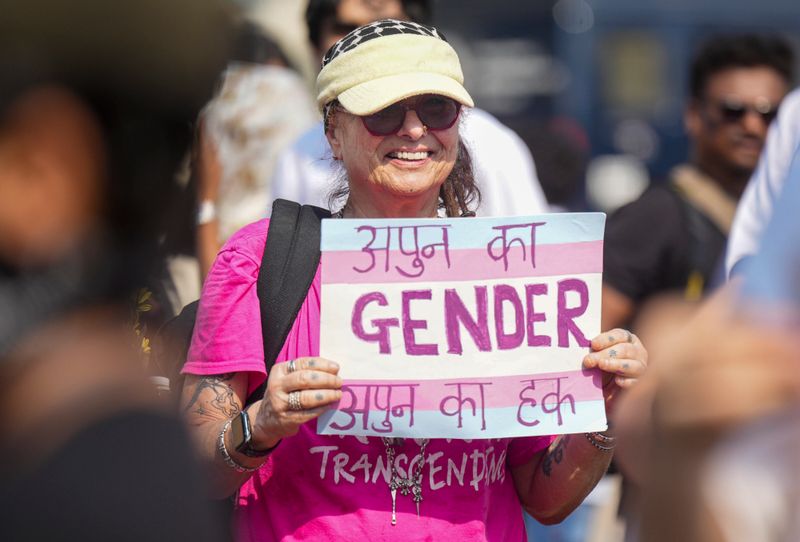

Parliament on Wednesday passed the Transgender Persons (Protection of Rights) Amendment Bill, 2026, with the Rajya Sabha clearing it by voice vote amid objections raised by Opposition members and a Supreme Court-appointed panel over provisions relating to gender self-identification.The Bill, cleared by the Lok Sabha a day earlier, will now be sent to President Droupadi Murmu for her assent. The amendment introduces wide-ranging changes to the existing legal framework, including a revised definition of a “transgender person” and a new process for the recognition of gender identity.Under the amended law, the definition no longer includes “self-perceived gender identity”. Instead, it restricts recognition to specific socio-cultural identities such as “kinnar, hijra and aravani”, along with persons with intersex variations or certain congenital conditions. It also covers individuals who may have been compelled to assume a transgender identity through coercion or medical procedures.The 2019 Act had allowed individuals to self-identify their gender through a simple affidavit submitted to the District Magistrate, without any medical examination. The new law replaces this with a certification process based on medical evaluation.A certificate of identity will now be issued only after the recommendation of a Medical Board, headed by a Chief Medical Officer or Deputy Chief Medical Officer. The District Magistrate may also seek inputs from other medical experts before granting certification, though the amendment does not specify the scope or composition of such experts.The amendment further revises procedures linked to gender-affirming interventions. Individuals undergoing such procedures will be required to apply again for certification, while medical institutions have been mandated to share details of such cases with the authorities.Penal provisions have also been strengthened. The law provides for a minimum sentence of 10-year imprisonment and a fine of Rs 2 lakh for forcing an adult to undergo medical procedures aimed at imposing a transgender identity. In cases involving minors, the punishment may extend to life imprisonment. along with a fine of Rs 5 lakh. The inclusion of terms such as “undue influence” has been noted by stakeholders.Ahead of the Bill’s passage, a Supreme Court-appointed advisory committee, headed by former Delhi High Court judge Justice Asha Menon, had formally urged the government to withdraw the proposed amendments. The panel said the removal of self-identification was inconsistent with the Supreme Court’s ruling in NALSA vs Union of India.In its communication to Social Justice Minister Virendra Kumar, the committee conveyed that the proposed changes could impact the progress made towards inclusion of transgender persons and affect the framework of their rights.