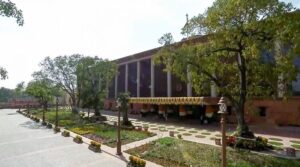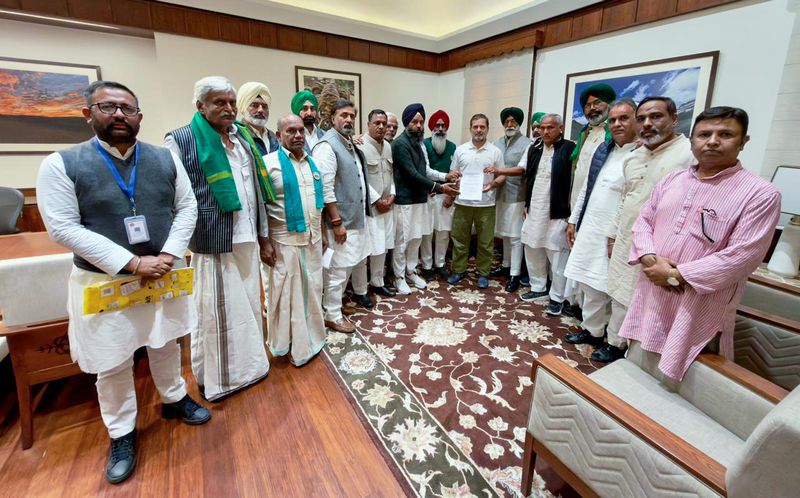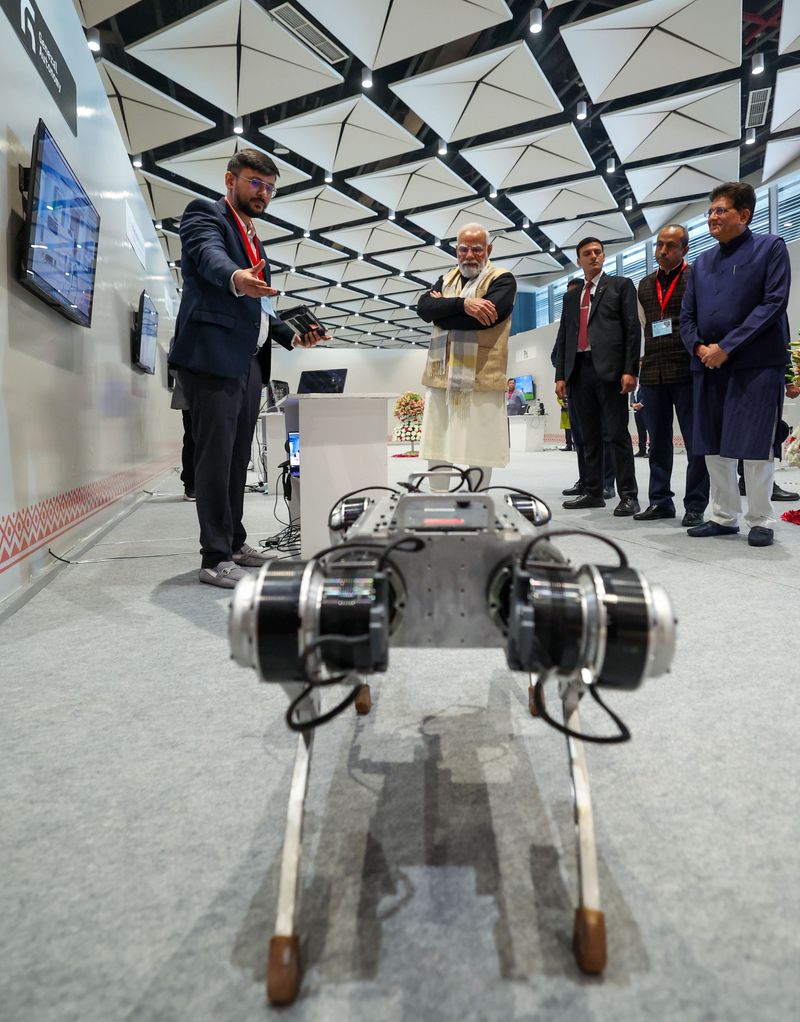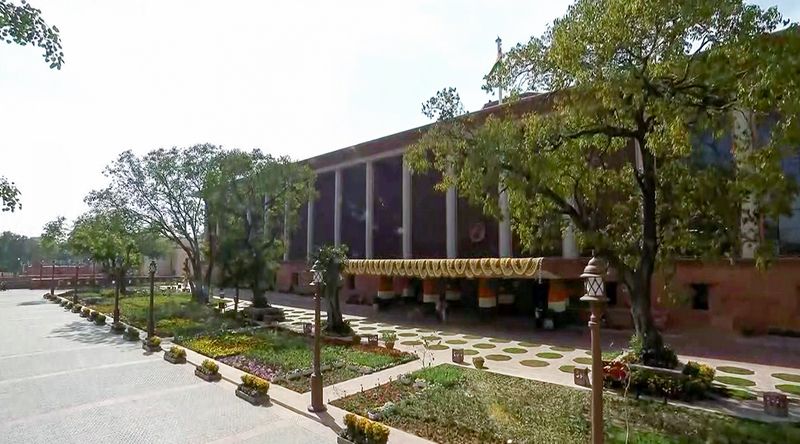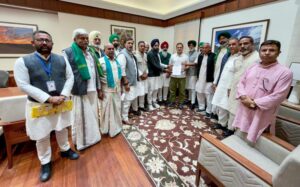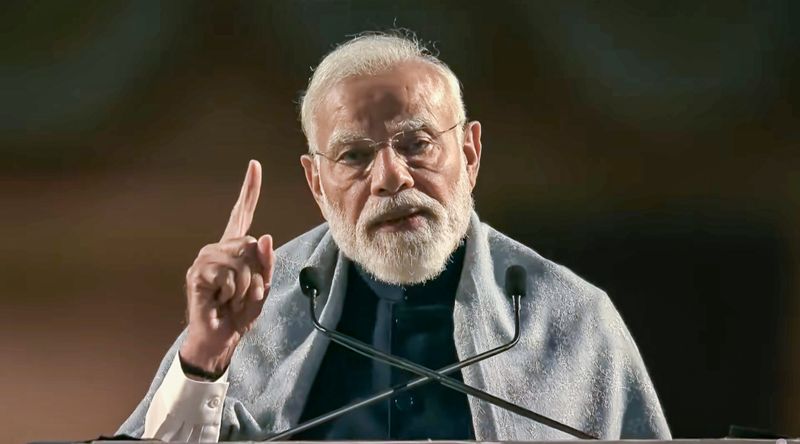
Leading a historic transition in national governance architecture, the Prime Minister’s Office (PMO) on Friday vacated the British-era South Block to make home in Seva Teerth, a newly built PMO complex in the heart of central Delhi.Presiding over the shift that signals a switch from the colonial past to self-reliance, Prime Minister Narendra Modi gave the message of “service over self” as he opened the new complex designed in Indian architectural traditions.On his first day in Seva Teerth, the PM cleared four files to empower the poor, women, youth and farmers–four segments he describes as the pillars of ‘Viksit Bharat@2047’.The PM RAHAT scheme for cashless treatment up to Rs 1.5 lakh to accident victims was cleared along with a doubling of agriculture infrastructure fund to Rs 2 lakh crore, enabling 6 crore women to make Rs 1 lakh annually and creating a Rs 10,000 crore start-up innovation fund.“PM Modi’s first decisions from Seva Teerth reflect a spirit of service and touch every section of society,” the PMO said.PM RAHAT seeks to ensure no life is lost due to lack of immediate medical help. The target of helping 6 crore women become Lakhpati Didis is rooted in the fact that the government has already crossed the landmark of registering 3 crore Lakhpati Didis, more than a year ahead of its March 2027 timeline.“The PM has now set a new, ambitious target of 6 crore Lakhpati Didis by March 2029, doubling both scale and aspiration,” officials said.In a boost to farmers, the Agriculture Infrastructure Fund has been doubled from Rs 1 lakh crore to Rs 2 lakh crore to strengthen India’s agriculture value chain, PMO sources said. They added that the Startup India Fund 2.0 with Rs 10,000 crore corpus will boost the next wave of innovation and promote the youth.Later in the day, PM Modi chaired the last Cabinet meeting at South Block before moving to Seva Teerth for good. At the formal inauguration of the office, attended by labourers who built the complex and also ministers and bureaucracy, the PM asked everyone to invest “each second spent at new offices in the service of the nation”.While the PMO, Cabinet Secretariat and National Security Council Secretariat will be housed in Seva Teerth, other ministries will be located at 10 complexes in Kartavya Bhavan on Janpath Road.“Seva Teerth should become a symbol of sensitive governance and a role model for citizen-centric delivery; a place where we seek service, not power; commitment, not position; and responsibility, not rights,” the PM said, framing the transition as the rise of a new independent nation free from the shackles of slavery.The PM said while North and South Blocks built by British architect Herbert Baker were meant to perpetuate the will of British monarchy and enslave Indians, new offices would realise the aspirations of citizens and take governance closer to them.“North and South Blocks were located at a hilltop to make them look superior to everything else. But our new offices will democratise spaces and work culture,” the PM said, adding that his government’s decision to rechristen Race Course Road as Lok Kalyan Marg, Kartavya Path as Rajpath, Old Parliament as Samvidhan Sadan and to build memorials to fallen soldiers and national heroes were not mere name-changing tokenism.“These changes mark the shedding of slave mentality and pivot governance around citizens and service,” Modi said, adding that the new PMO was called Seva Teerth because service is the soul of India.The PM’s strongest message to colleagues, bureaucracy and the government from his new office today was–“When you enter these portals, pause to reflect what you will do in the day to ease the life of an ordinary Indian.”Importantly, the entire government vacated North and South Blocks on a day when in 1931, New Delhi was officially inaugurated as the capital of colonial India. The shift-out also happened after nearly 99 years. It was in 1926 that government departments moved to the two secretariat buildings on Raisina Hills.