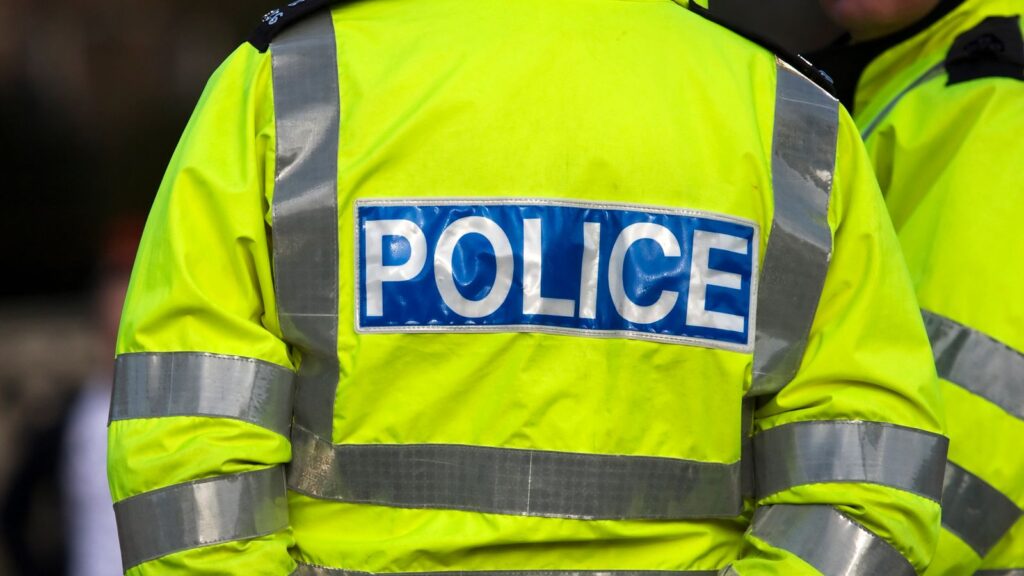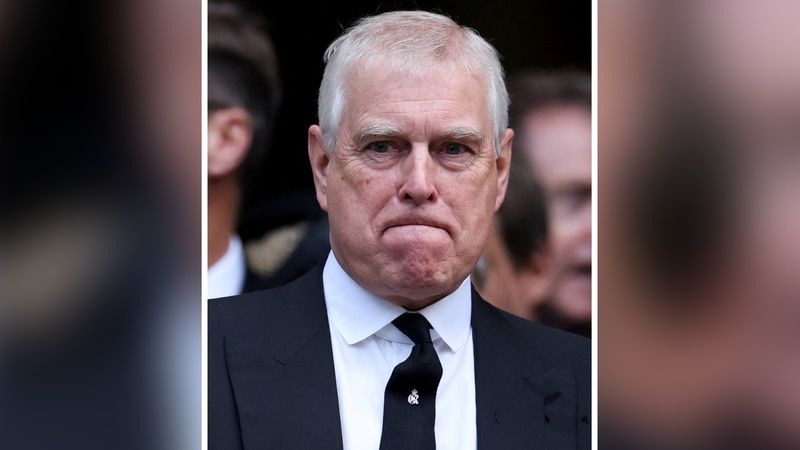
The British Thames Valley police confirmed on Thursday (today) that Andrew Mountbatten-Windsor, the Duke of York and younger brother of King Charles III, had been arrested on suspicion of misconduct in public office.Andrew Mountbatten-Windsor, formerly known as Prince Andrew, was arrested by the British police on suspicion of misconduct in public office, marking one of the most dramatic legal developments involving a senior member of the British Royal family in modern times.The Thames Valley police confirmed that officers had detained “a man in his sixties from Norfolk on suspicion of misconduct in public office and are carrying out searches at addresses in Berkshire and Norfolk”. Under national police protocols, this individual was not named in the force’s public statement, but his identity as Andrew Mountbatten-Windsor has been independently confirmed by multiple reputable sources.The timing and location of the arrest added further symbolic weight to the story. Police vehicles, including unmarked cars, were observed arriving at Wood Farm, the property on the Sandringham estate in Norfolk where Mountbatten-Windsor has been living, shortly after 8 am local time. The former duke was taken into custody on what would have been his 66th birthday. Officers were also seen at his former residence, Royal Lodge in Windsor Great Park, reflecting the geographical spread of the inquiry.Also read: Former Prince Andrew went from helicopter pilot to trade envoy to royal pariahThe Thames Valley police did not disclose details of the evidence underpinning the arrest, nor did it indicate whether formal charges had been authorised. Its statement stressed the active nature of the investigation and emphasised the importance of preserving the integrity and objectivity of the inquiry while it continues. The suspect remains in police custody at the time of writing.The offence of misconduct in public office is a serious criminal allegation in the UK law. It covers situations in which a person in a position of public trust is accused of abusing or neglecting that responsibility. The maximum penalty, under the statutory guidance for such offences, may extend to life imprisonment.Although the police statement did not specify a motive, the arrest comes amid sustained scrutiny of Mountbatten-Windsor’s past relationships and activities, particularly his long-established association with the late financier Jeffrey Epstein, who died in a US custodial setting in 2019 while awaiting trial on federal sex trafficking charges. A tranche of documents released by the US Department of Justice earlier this year — known colloquially as the Epstein files — contained emails and correspondence that appeared to link the former royal to the dissemination of official information from his time as a UK trade envoy. In some cases, these emails appeared to show official government reports and briefing materials being forwarded to Epstein and his associates shortly after they were received.Mountbatten-Windsor served as the United Kingdom’s special representative for international trade and investment from 2001 to 2011, a role that gave him access to senior officials, sensitive commercial reports, and privileged diplomatic engagements around the world. The recent disclosures have reinvigorated questions about whether he breached confidentiality obligations by sharing government documents with Epstein, and whether such actions, if proved, could amount to a criminal breach of trust.In an official reaction made public shortly after news of the arrest, King Charles III said he had “learned with the deepest concern” about the developments involving his brother. In the statement, released by Buckingham Palace, the monarch emphasised the importance of the legal process and reaffirmed the family’s support for the proper course of justice. “What now follows is the full, fair and proper process by which this issue is investigated in the appropriate manner and by the appropriate authorities,” he said. “In this, as I have said before, they have our full and wholehearted support and cooperation. Let me state clearly: the law must take its course.”The palace also confirmed that neither Great Britain’s sovereign nor Buckingham Palace officials were informed in advance of Mountbatten-Windsor’s arrest. The Prince and Princess of Wales are reported to support the King’s statement.Political reaction underscored the broader constitutional significance of the case. Prime Minister Sir Keir Starmer reiterated to reporters that “nobody is above the law”, echoing a long-running democratic principle and signalling that legal proceedings in the United Kingdom should proceed without favour or exemption for high-profile individuals. This stance was later reinforced by other senior government figures, who said the investigation underscored the need for transparency and accountability.Public response to the arrest has been swift and varied. Advocacy groups and survivors’ organisations welcomed the development as a sign that powerful figures can be held to account. Statements from the family of Virginia Giuffre, a prominent accuser in longstanding litigation involving the Epstein network, noted that the arrest demonstrated that “no one is above the law” and expressed gratitude to investigators for pursuing the inquiry.At the same time, royal commentators have acknowledged that the arrest represents an almost unprecedented moment in British constitutional history. No member of the modern royal family has been taken into custody on suspicion of criminal misconduct. Historical comparisons reach back centuries, but in recent memory there is no clear antecedent for a senior royal being arrested as part of a formal police investigation.Mountbatten-Windsor’s association with Epstein first became a matter of intense public scrutiny in 2019, leading to his withdrawal from public duties. In subsequent years, Buckingham Palace removed his military affiliations and overt royal patronages, and in 2025 his remaining royal styles and honours were withdrawn by King Charles within the context of ongoing reputational concerns tied to the Epstein revelations.Legal experts have cautioned that the initial arrest is only the opening phase of a potentially lengthy process. Police may hold a suspect for up to 96 hours, subject to judicial review, while they decide whether to pursue formal charges. At this stage, with the investigation active and sensitive, precise details of the evidence underpinning the arrest remain confidential to law enforcement.For Mountbatten-Windsor himself, the arrest does not signal guilt; British legal tradition upholds the presumption of innocence until proven otherwise. But the fact of his detention, the seriousness of the offence under investigation, and the extraordinary public interest in the case together mark a new chapter in the scrutiny of both a once-prominent royal figure and the institutions that have surrounded him.