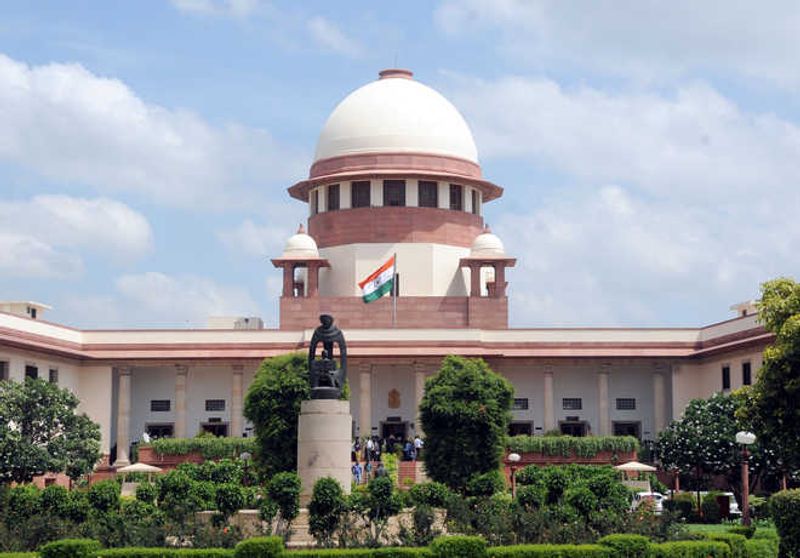

Observing that fraternity is a vital element of national unity and social cohesion, the Supreme Court has said that public figures holding high constitutional offices cannot target any particular community on the basis of religion, language, caste or region.The court added that nobody, whether State or non-State actors, can vilify or denigrate any community through speeches, memes, cartoons or visual art.The observations were made by Justice Ujjal Bhuyan in a separate 39-page judgment on a plea challenging the release of the upcoming Netflix crime thriller Ghooskhor Pandat.“It is constitutionally impermissible for anybody, be it the State or non-State actors, through any medium, such as speeches, memes, cartoons, visual arts, etc., to vilify and denigrate any community,” Justice Bhuyan wrote.“It will be violative of the Constitution to target any particular community on the basis of religion, language, caste or region, by whosoever he or she may be. This is particularly true for public figures occupying high constitutional office who have taken the solemn oath to uphold the Constitution,” he added.A Bench of Justices BV Nagarathna and Ujjal Bhuyan on February 19 disposed of the plea seeking a stay on the film’s release after taking on record an affidavit filed by filmmaker Neeraj Pandey. The court said it expected that there would be a quietus to the controversy “in all respects”.In his judgment, Justice Bhuyan noted that one of the solemn objectives of the Constitution, reflected in the Preamble, is to promote fraternity among all citizens, assuring the dignity of the individual and the unity and integrity of the nation.“Thus, cultivating a sense of brotherhood and respecting fellow citizens irrespective of caste, religion or language is a constitutional dharma each one of us must follow,” he wrote.Justice Bhuyan further observed that liberty of thought and expression is one of the Constitution’s core ideals, and Article 19(1)(a) confers the fundamental right to freedom of speech and expression on all citizens.“The reasonable restrictions provided under Article 19(2) must remain reasonable and not fanciful or oppressive,” he said.