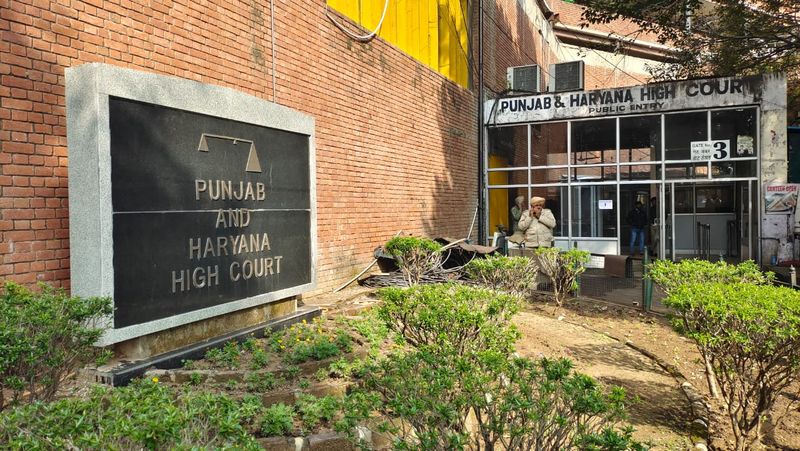
The Punjab and Haryana High Court has made it clear that the pile-up of death penalty references and serious violent crime appeals has created severe time constraints in hearing other criminal matters.In such circumstances, interim relief becomes inevitable, as the justice delivery system cannot permit delay itself to operate as a form of punishment when an appeal is unlikely to be heard within a reasonable time.The court made the observations while suspending the execution of a 20-year imprisonment sentence in a POCSO case. The Bench, among other mitigating factors, took into consideration the likelihood of delay in deciding the appeal because of the other violent crime appeals.The observations by the Division Bench of Justice Anoop Chitkara and Justice Sukhvinder Kaur came during the hearing of a criminal appeal.The Bench, in its order, spelt out the realities of docket management and the need to prioritise cases involving the “highest stakes” for life and public safety.The Bench observed: “This court has around 18 to 19 death references pending for final hearing, which have to be given priority, and every murder reference will take more time than any other case; delay in decisions might be a ground for commutation.”“Additionally, there are a large number of appeals against conviction where more than one person was murdered, cases involving murder and dacoity are pending, and where some of the convicts are habitual offenders, this Court has to draw a priority list for the cases, and if such a list is made, the present case would certainly fall lower on the rung,” the Bench asserted.The court made it clear that it was not relying on artificial intelligence tools to assess the court’s disposal capacity.“Although this court has not used any algorithm-based tool to clearly point out how much time it would take for this present appeal to be finally heard, and also no artificial intelligence is being utilised to come to such a conclusion without referring to such scientific tools, in our raw assessment of the disposal of criminal appeals, the appeal is not likely to be taken up in the near future,” the Bench added.The judgment is significant because it says systemic delays in the appellate process can have direct consequences on sentencing, and continued incarceration risks turning delay into punishment when an appeal cannot be taken up within a reasonable time due to the prioritisation of the death penalty and other grave offences.By linking docket realities with constitutional fairness, the High Court has underscored that interim relief may become a judicial necessity—not as a comment on guilt or innocence, but to preserve the integrity of the appellate process itself.