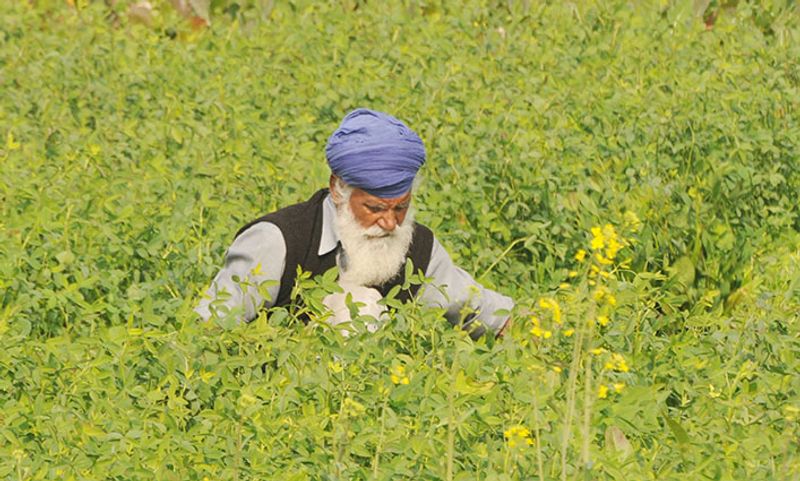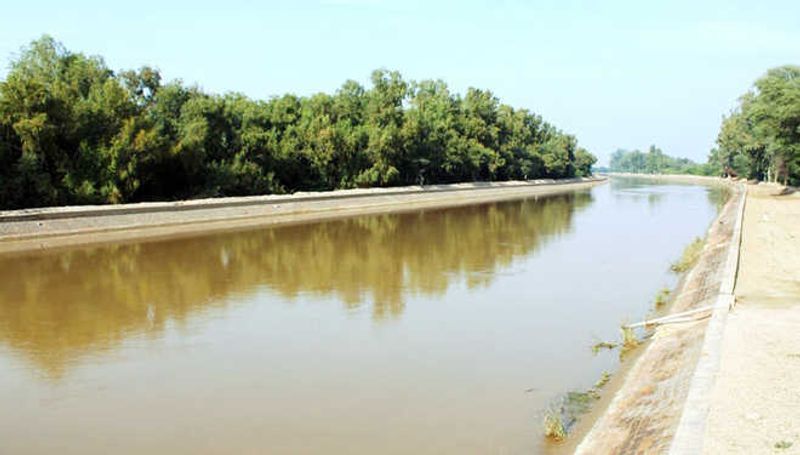

The Punjab Government has framed a new policy to allow temporary irrigation outlets from canals in order to ensure that maximum canal water is used in the fields, which in turn will stem the fast depleting groundwater extraction.Other than south-west Punjab (Ferozepur, Fazilka and Bathinda), all remaining seven circles and divisions of the state have been included in the new policy, formulated by the Water Resources Department, for 2026-27,As part of this, farmers will be able to get temporary outlets from the main canal with the recommendation of the supervising engineer and from the tributaries of the canal with the recommendation of the executive engineer concerned.These temporary outlets to extract canal water will be allowed depending on the availability of water. Also, there will be no application fee for the same when farmers approach the department. Senior officials of the Water Resources Department say the capacity of Sirhind Canal, Ferozepur Feeder, Bist Doab canals has increased, which has led them to allow temporary outlets for farms. In many places, even farm areas that fall along the major canals were deprived of canal water for irrigation and farmers were using tubewells to irrigate the fields. This was especially true for farms that fall along the Kotla feeder and Patiala feeder.Under the new policy, after some time, these temporary outlets can also be converted into permanent water distribution channels, upon authorisation from the Executive Engineer concerned. “The aim is to save electricity in farms; lower the groundwater extraction; and, improve the use of canal water. Initially, when the government was doing a pilot study, the temporary outlets were allowed for a minimum command area of 500 acres on the main canal and 80 acres on minors, distributaries and sub-minors. There is no minimum cap on the area now. The execution of the work to make these temporary outlets will be undertaken by the department, ensuring that the interests of landowners are not adversely affected,” a senior officer in the department told The Tribune.As per the available data, an additional area of 68,890 acres was brought under canal irrigation during the ongoing rabi marketing season, through making of 1,423 temporary outlets when the pilot study was conducted.