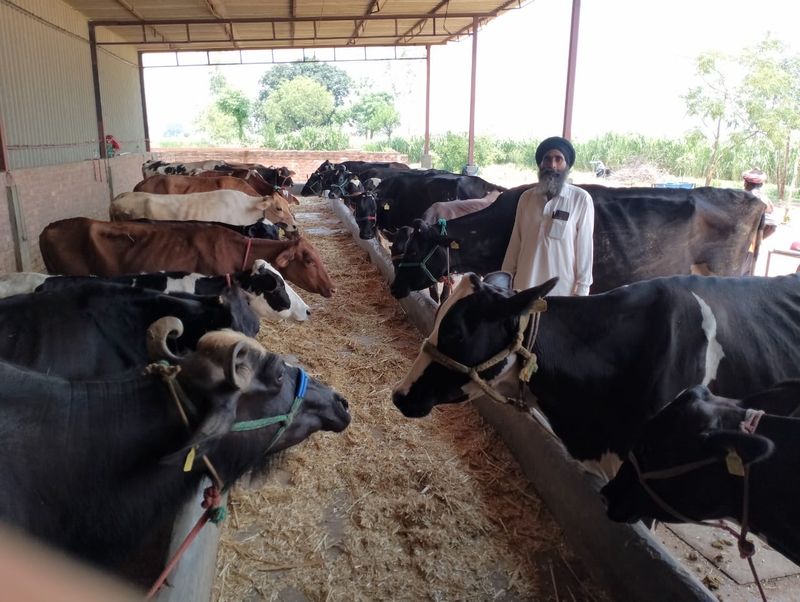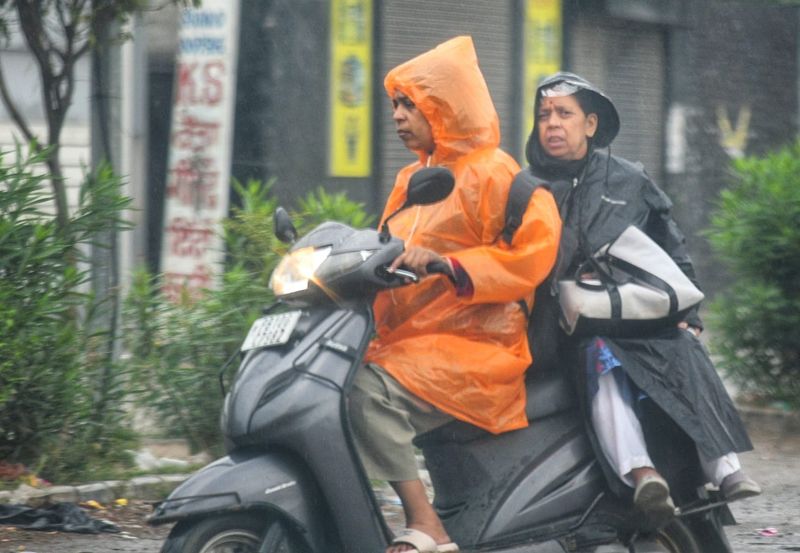

Early-morning rain accompanied by chilly winds lashed Chandigarh, Mohali, Panchkula and parts of Punjab and Haryana on Sunday, dragging temperatures down sharply.The moderate rain, caused by fresh western disturbance, lashed the Tricity around 5.30 am.The India Meteorological Department (IMD) has issued an orange alert for the Tricity for Sunday and Monday, warning of thunderstorms, lightning, gusty winds, and hailstorms as a fresh western disturbance tightens its grip over the Himalayan region.According to a special weather bulletin issued by the Meteorological Centre, Chandigarh, on Saturday, the western disturbance—already affecting the Himalayan belt since March 28—will intensify its influence over the plains from Sunday. Under its impact, rainfall activity is expected to increase sharply in intensity and distribution across Punjab, Haryana, and Chandigarh on March 29 and 30.Meanwhile, early-morning showers brought cheer to Ludhiana residents, offering a soothing change in the weather. Temperatures hovered around 20°C during the night and rose slightly to about 23°C by 10 am. The overcast skies and cool breeze added to the pleasant atmosphere, with many residents hoping that this spell could delay the onset of the harsh summer by a few days.Many people were seen enjoying the refreshing Sunday morning. However, commuters faced minor inconvenience due to wet roads, particularly near ongoing construction sites at Domoria Bridge and the flyovers on the Jassian Road.According to weather forecast agencies, the sky is expected to remain partly cloudy, with chances of light rain continuing intermittently over the next few hours.However, farmers across the region have expressed concern over the rain and strong winds, which could adversely affect the standing, ripened wheat crop.Tarsem Jodhan, a farmer leader from Jodhan village, said that strong winds pose a greater threat than rain. “Rain is not as harmful, but strong winds can flatten the standing crop, leading to reduced yield. Moreover, due to wet soil, the sowing of maize may also get delayed,” he said.