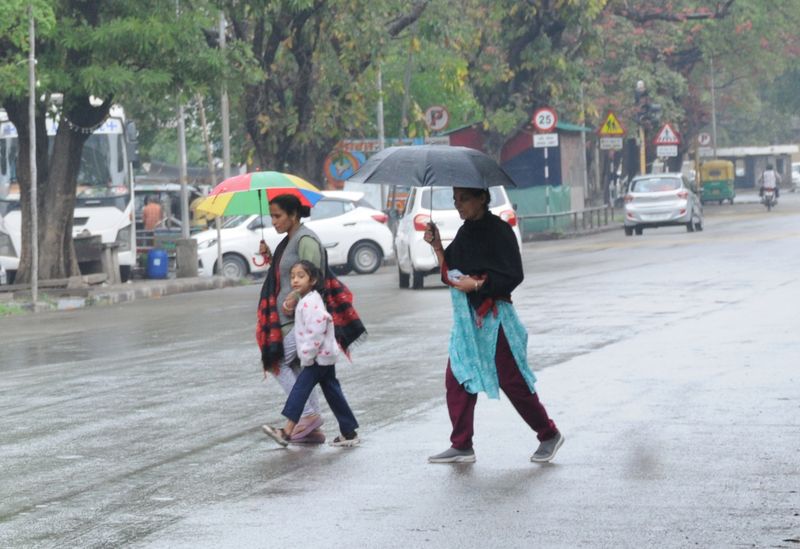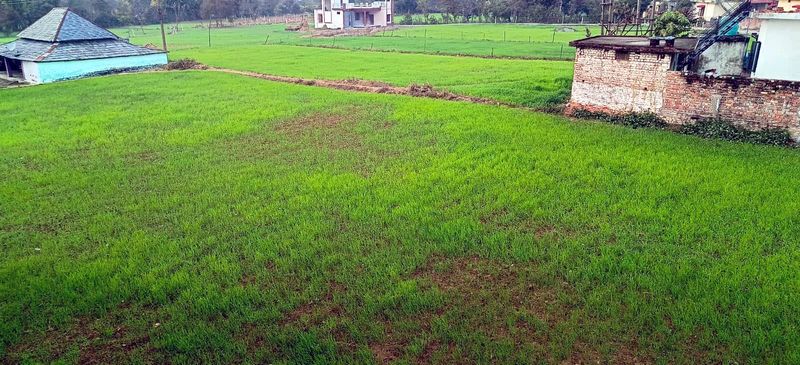

After two days of relentless showers, skies over Punjab finally cleared on Saturday, though patchy drizzle persisted in parts of the state. This brought much-needed relief to farmers, who had anxiously monitored their ripening wheat crops.The steady drizzle evoked memories of past when unseasonal showers had damaged standing crops just weeks before harvest.Gurjit Singh Brar, Director of Agriculture, reassured growers that the rain had stayed gentle, without high-velocity winds—a key factor in averting widespread harm. “There is no cause for alarm,” he said, while urging vigilance. “Prolonged rain, hailstorms, or strong winds in coming days could still threaten crops.”For now, the showers have favoured farmers. They promise to recharge groundwater and boost soil moisture in a state battling falling water tables. With 34.5 lakh hectares under wheat this season, even slight weather shifts carry broad consequences.In Gurdaspur, isolated crop lodging occurred, but officials dismissed it as minor and confined to small patches.The India Meteorological Department forecasts intermittent wet spells until March 26, leaving farmers tense as wheat enters critical grain formation. These showers followed an unusually warm period that sparked heat stress fears. Temperatures in February and the first half of March were nearly five degrees above normal, triggering fears of heat stress. In some areas, farmers even reported a violet tinge in wheat crops — a sign often linked to temperature fluctuations.Yet Dr Satbir Singh Gosal, Vice-Chancellor of Punjab Agricultural University, eased concerns. He described the discolouration as a fleeting reaction to heat, not enduring damage. “As long as temperatures remain below 35°C, the crop stays safe,” he noted.Experts, though, cautioned against complacency. With harvest nearing, a sudden gust or hail could erase recent gains.