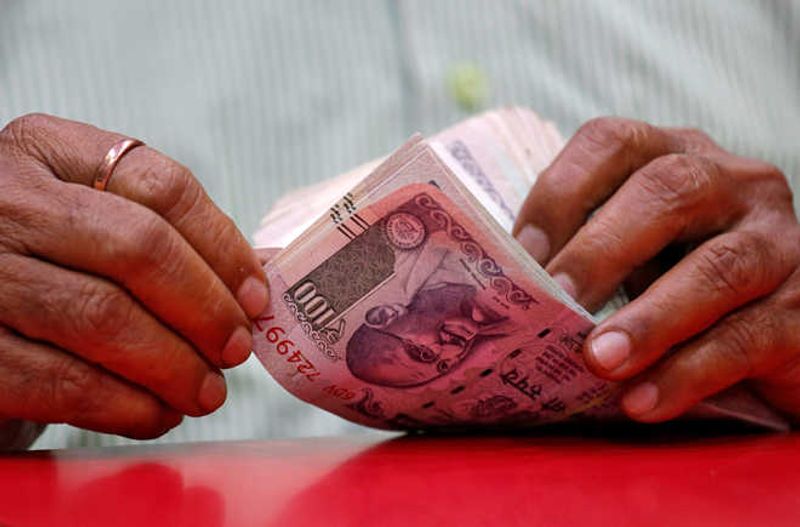
The rupee depreciated 31 paise to an all-time low of 91.28 against the American currency in early trade on Wednesday, weighed down by steady dollar demand and a cautious global mood.Forex traders said rising geopolitical uncertainty, including renewed US expansionary signals, has increased risk aversion and kept emerging market currencies under pressure.Moreover, a sluggish domestic stock market triggered by an exodus of foreign capital dented investors’ sentiment further, they said.Fresh record low:The Indian rupee weakened to a new all-time low of 91.19 against the US dollar in early trade on Wednesday, slipping around 6 paise from the previous close. This breached its earlier record low of 91.0750, recorded in mid-December 2025.Weak opening:The local currency opened at 91.08 per dollar and quickly extended losses, declining about 0.24%, reflecting sustained pressure in the forex market.Strong US dollar:A firm US dollar continues to weigh on emerging market currencies, including the rupee. Expectations that the US Federal Reserve may keep interest rates higher for longer have boosted the dollar and US bond yields, reducing the appeal of riskier assets.Heavy dollar demand from importers:Strong demand for dollars from metal and energy importers has increased pressure on the rupee. India’s reliance on imports for crude oil and industrial metals has amplified dollar outflows.Foreign Portfolio Investor (FPI) outflows:Persistent selling by foreign investors in Indian equities has contributed to rupee weakness. FPIs have been cautious amid global uncertainty and attractive yields in developed markets, leading to capital outflows.Muted domestic equity markets:A weak tone in domestic equity benchmarks has further dampened sentiment. Equity market volatility often discourages foreign inflows, indirectly impacting the currency.Global risk-off sentiment:Heightened geopolitical tensions and concerns over global growth have led investors to seek safe-haven assets, supporting the dollar at the expense of emerging market currencies.RBI’s measured approach:Market participants believe the Reserve Bank of India is allowing a gradual depreciation to avoid draining forex reserves, intervening only to curb excessive volatility rather than defend a specific level.Economic impact:A weaker rupee makes imports costlier and could add to inflationary pressures, though exporters may benefit from improved realizations.Outlook:The rupee’s near-term movement will depend on US economic data, crude oil prices, FPI flows, and any signals of intervention from the RBI. With PTI inputs