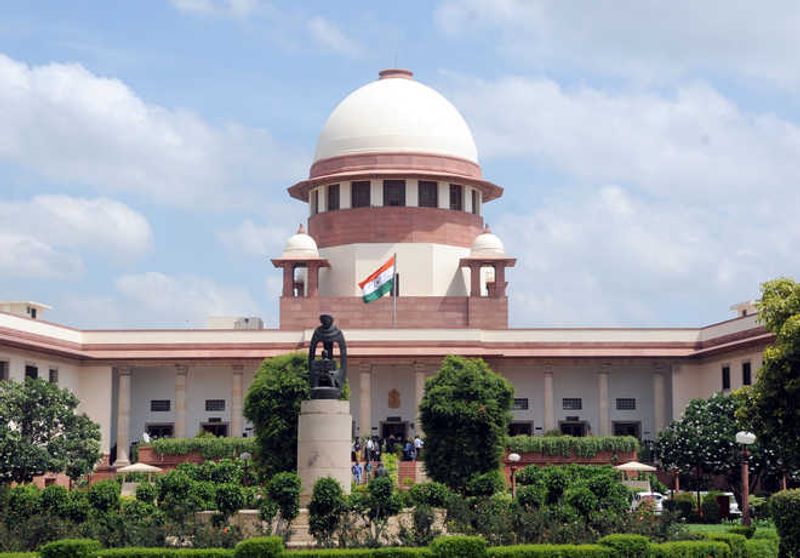

The Supreme Court has issued notice to the Centre on a petition challenging the validity of several provisions of the Digital Personal Data Protection Act (DPDP), 2023.A three-judge Bench led by CJI Surya Kant on Thursday agreed to hear the petition filed by Geeta Seshu and asked the Centre to respond to her plea by March 23.The petitioner sought a direction to the Centre to incorporate and notify a specific and proportionate exemption under the 2023 Act and the Digital Personal Data Protection Rules, 2025, for processing of personal data for journalistic, editorial, investigative and public interest reporting purposes, including protection of journalistic sources.The Bench ordered tagging Seshu’s petition with other petitions filed by the Reporters’ Collective and journalist Nitin Sethi, RTI activist Venkatesh Nayak and the National Campaign for People’s Right to Information, challenging Section 36 of the DPDP Act read with Rule 23 of the DPDP Rules which empowered the Centre to call for information from data fiduciaries and intermediaries.The SC had on February 16 issued notice to the Centre on these petitions challenging the constitutional validity of several provisions of the DPDP Act, 2023 and the DPDP Rules, 2025, even as it refused to stay the provisions under challenge. Noting that the issue was “complex but interesting” and touching upon the “fundamental rights of both sides”, the CJI said “some ironing out of the creases might be needed to strike a balance”.The Centre notified the Digital Personal Data Protection Rules on November 14, 2025, marking the full operationalisation of the Digital Personal Data Protection Act, 2023.Alleging that the DPDP Act and the DPDP Rules substantially weakened the transparency framework under the RTI Act by creating a ‘blanket exemption’, the petitioners contended that the new data regime severely diluted the RTI Act and granted the Centre “sweeping powers” over personal data. The amendment introduced by Section 44(3) of the DPDP Act to Section 8(1)(j) of the RTI Act removed the earlier balancing test that allowed disclosure of personal information if it was related to public activity or public interest, they said.