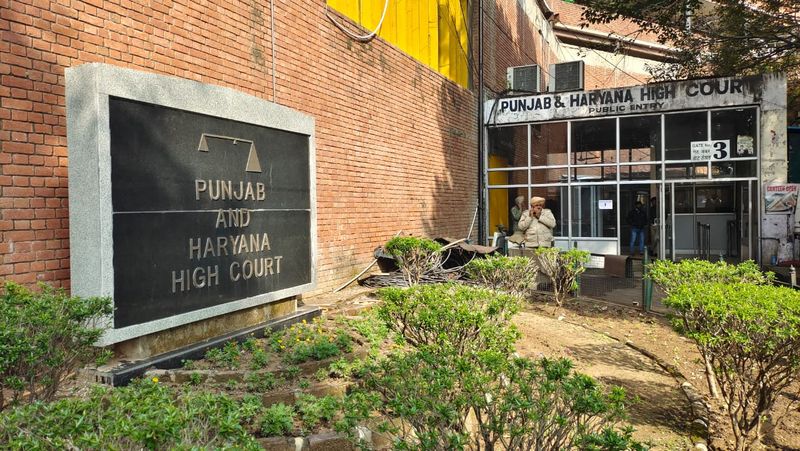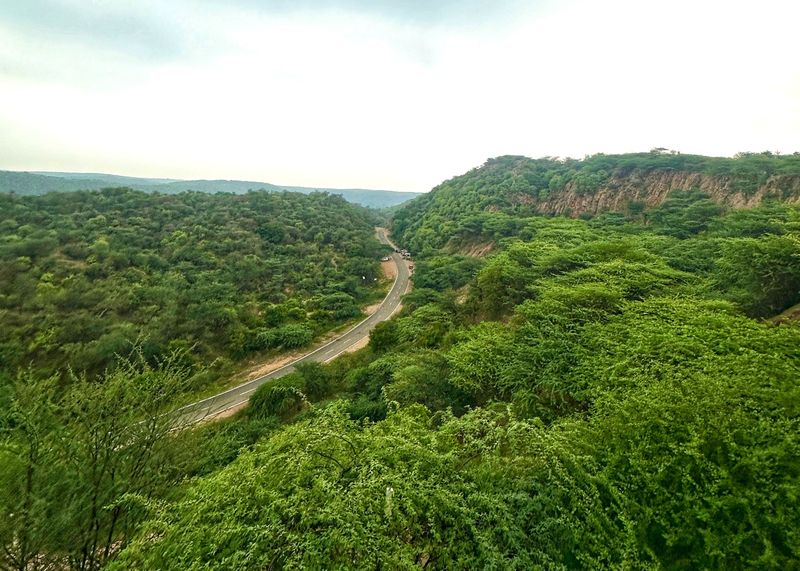
The Supreme Court on Thursday refused permission to the Haryana Government to submit a plan on the proposed Aravalli Zoo Safari Project in Gurugram and Nuh districts till the definition of the “Aravalli range” was clarified by experts.Maintaining that it would not allow “anyone to touch the Aravallis”, a Bench led by Chief Justice of India Surya Kant made it clear that the issue of jungle safari would be taken up with the main matter on the “Aravalli range”.Haryana Senior Additional Advocate General Lokesh Sinhal said the state had revised the detailed project report (DPR) of the safari project from 10,000 acres to over 3,300 acres and that it should be allowed to furnish the DPR to the court-appointed Central Empowered Committee (CEC) and the Central Zoo Authority (CZA) for their examination.However, the Bench was not convinced. “We are not experts. The experts will decide the definition of the Aravalli. Till the definition of the Aravalli range is finalised, we will not allow anyone to touch the Aravallis,” the Bench said while hearing a petition jointly filed by five retired Indian Forest Service officers and NGO ‘People for Aravalis’ alleging the project would damage the Aravalli range.Noting that certain clarifications were needed regarding the definition of Aravalli Hills it recently approved, the Supreme Court had on December 29 last year ordered to keep in abeyance its November 20, 2025, ruling that was based on a committee’s recommendations. It had decided to set up a new high-powered committee of domain experts to examine the environmental impact of the recommendations made by the earlier panel. There had been a significant outcry among environmentalists, who had expressed profound concern about the potential for misinterpretation and improper implementation of the newly adopted definition and this court’s directions, it had said.Allaying environmental concerns over the proposed Aravalli Zoo Safari Project in Gurugram and Nuh districts, the Haryana Government had in October 2025 defended it, saying it’s a “conservation-driven initiative” aimed at ecological restoration, biodiversity conservation and sustainable eco-tourism.