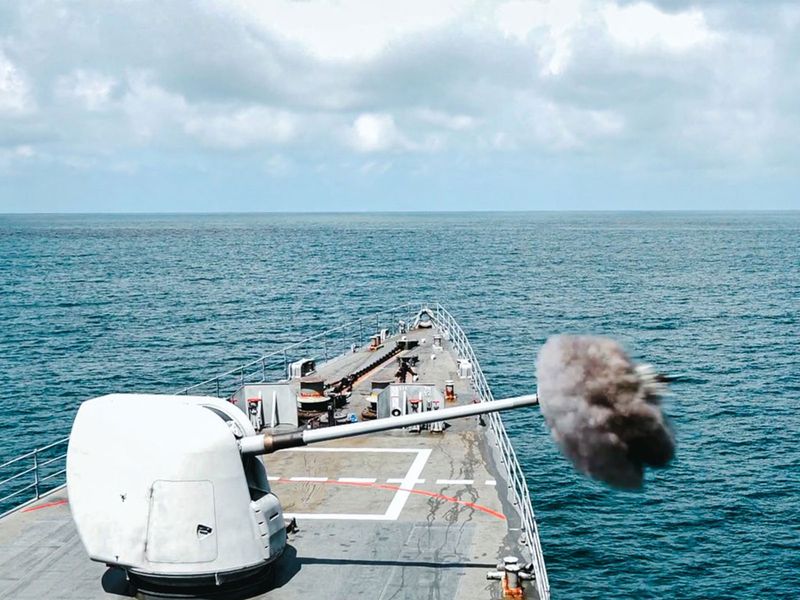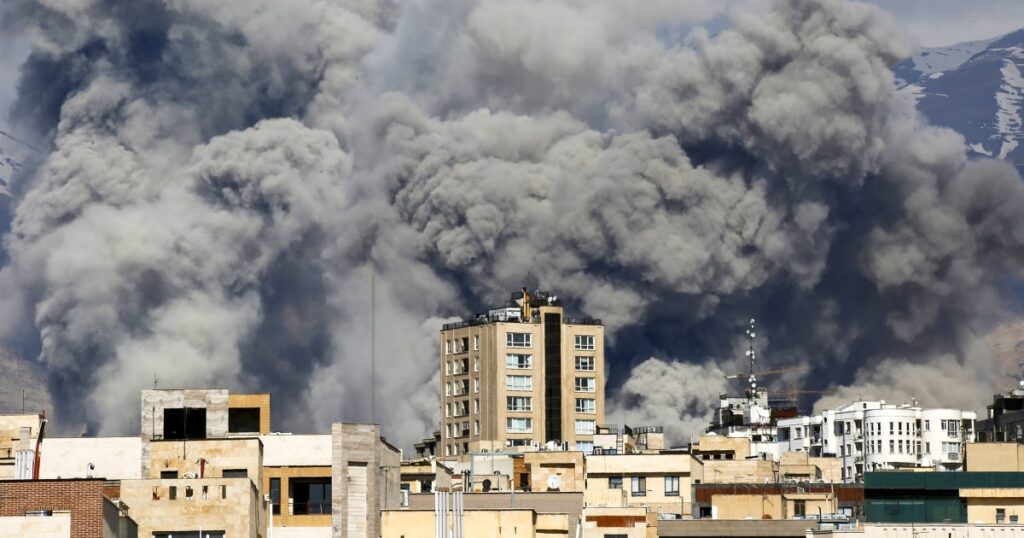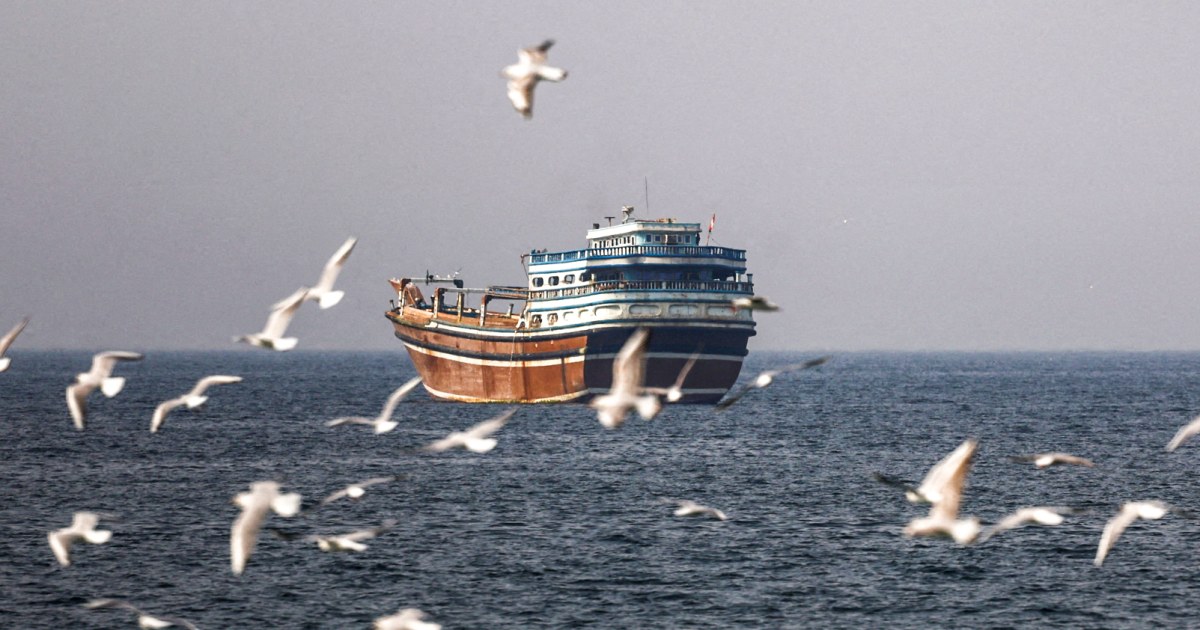

To keep cargo flowing, President Donald Trump said in a Truth Social post on Tuesday that the U.S. Navy would start “escorting tankers through the Strait of Hormuz” if necessary. But since then, traffic has remained at a near standstill, and it’s unclear if any tankers have taken the government up on its offer. “Naval escorts would help reduce the threat for the ships being protected,” said Jakob Larsen, chief safety and security officer at global shipping organization BIMCO. “That said, providing protection for all tankers operating in areas currently threatened by Iran is unrealistic as this would require a very high number of warships and other military assets.” More than 150 vessels, including oil and liquid natural gas tankers, have been forced to anchor or reroute, causing significant operational challenges, according to insurance broker Marsh Risk. Insurers are canceling coverage under war risk policies, causing a coverage gap that is spiking the cost of safe passage. Marsh said that rates have surged from 0.25% to 1.25% of the value of the ship as of Tuesday and that more increases are expected with escalating tensions. Trump has tried to alleviate the insurance issue, saying on Truth Social that he had ordered the U.S. International Development Finance Corporation to offer insurance to ships traveling through the gulf.The corporation, which describes itself as the “international investment arm” of the federal government, said in a statement that it will “offer support to commercial shipping charterers, shipowners, and key maritime insurance providers to minimize market disruptions and help ensure the free flow of goods and capital.”A narrow waterway that sits along the southern coast of Iran, the Strait of Hormuz gives passage to one-fifth of the world’s oil supply and is a key route for other types of commodities like aluminum, sugar and fertilizer.With shipping there at a near standstill, oil and gas prices have spiked. On Wednesday, U.S. gas prices topped $3.19 per gallon on average, up 22 cents from one week ago, according to AAA. They are now 10 cents higher on average than they were one year ago.Gas prices had been a bright spot in the inflation story — and a strong talking point for the Trump administration. Over the past year, gas prices had fallen while prices for groceries, auto insurance, housing and electricity all rose.Now, with gas prices jumping and U.S. crude oil nearing $80 a barrel, that bright spot is starting to dim. Expensive crude typically feeds into higher gasoline and diesel prices, pushing inflation up and costing consumers more to fill up at the pump. At the same time, shipping disruptions can raise transportation and production costs — creating delays, port congestion and broader supply shocks.And if prices stay elevated long enough, that can eventually push consumers to rein in spending, which hurts global growth.“The real risk isn’t an immediate goods shortage — it’s sustained energy-driven cost inflation that works its way through global supply chains,” said Matt Lekstutis, director at global supply chain and procurement consultancy Efficio. “This is a top priority for supply chain and procurement operators to address and monitor.” The combination of slower growth and higher inflation, an economic scenario known as stagflation, creates a complicated situation for the Federal Reserve, which has been trying to bring inflation down to its 2% target.Although prices have moderated, with inflation 2.4% year over year as of January, it remains above the central bank’s 2% target. If this conflict triggers an inflation spike, interest rates would likely remain higher for longer. Already, analysts have lowered their expectations of a Fed rate cut this month.That could have wide-ranging impacts — including for anyone looking to buy or refinance a home. Mortgage rates had come down in the weeks leading up to the war — and dipped below 6% for the first time since 2022. Now, they’re back up to 6.07%.Iran technically cannot close the Strait of Hormuz, but its officials earlier this week said the country would set fire on any ships trying to pass through, according to Iranian state media. The U.K.’s Maritime Trade Operations said Wednesday that it received a report of a container ship hit by an “unknown projectile.”Many major shipping and logistics companies have restricted or halted bookings through the region since the strikes on Iran began early Saturday morning, including Maersk, MSC Group, CMA CGM, Hapag-Lloyd, COSCO and Emirates SkyCargo. Exceptions are being made for essential goods including food and medicine.