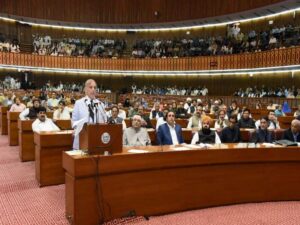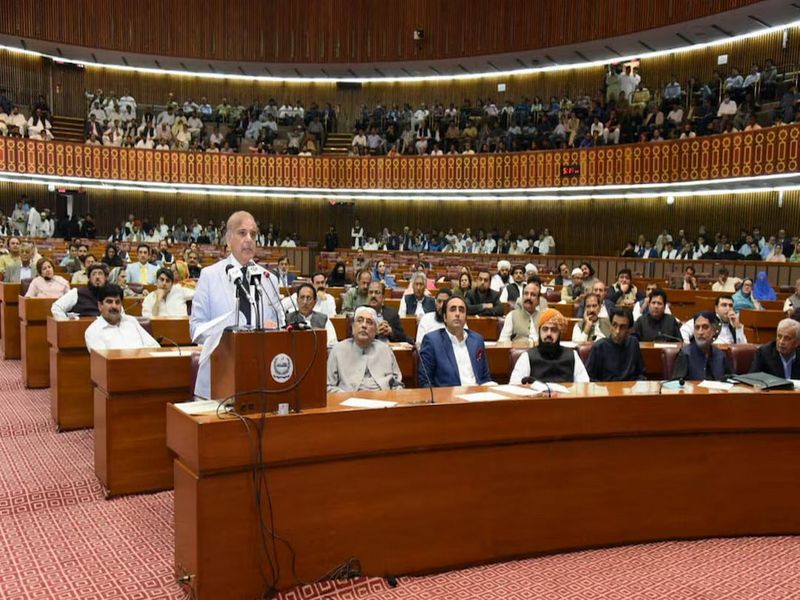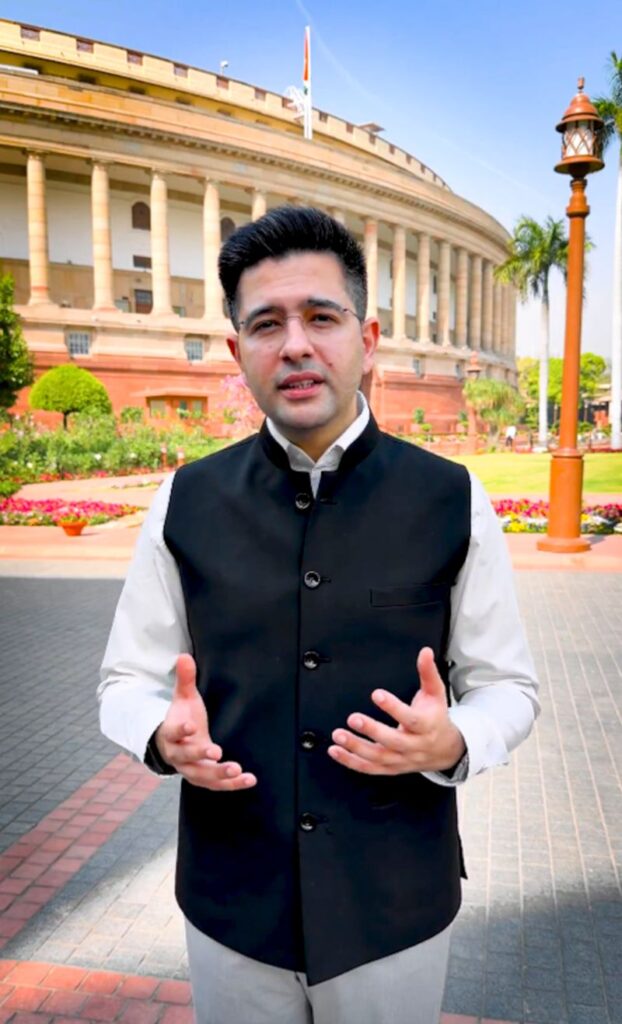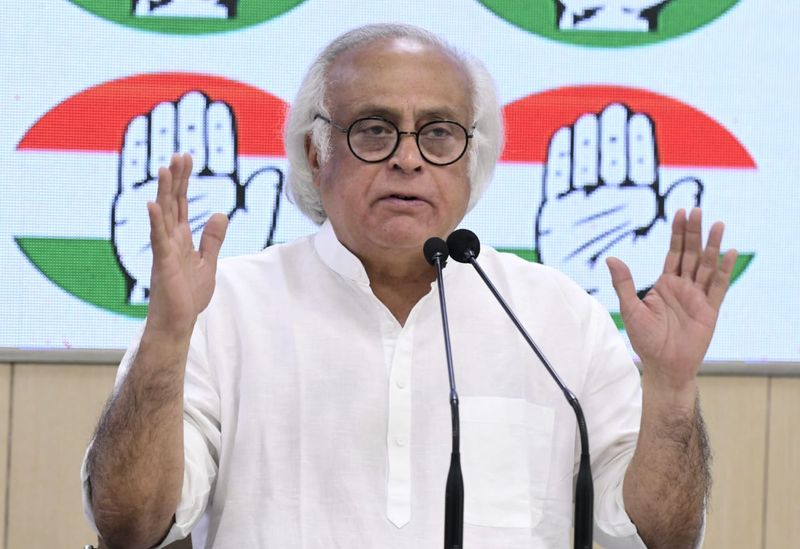

The Congress on Friday accused the Centre of convening a three-day “special session” of Parliament from April 16 to push key constitutional changes on women’s reservation and delimitation, calling it a calculated move to influence ongoing Assembly elections in West Bengal and Tamil Nadu and a violation of the Model Code of Conduct (MCC).Addressing a press conference, party general secretary (communications) Jairam Ramesh said the timing of the session, coinciding with peak campaigning, raises serious questions about the government’s intent.He suggested that the government could have deferred the exercise by a fortnight to allow wider consultation after the electoral process, instead of proceeding amid the ongoing polls.Ramesh said while the Women’s Reservation Bill, formally known as the Nari Shakti Vandan Adhiniyam, 2023, was passed nearly 30 months ago, the government had shown little urgency in operationalising it until now.He argued that the sudden push in the middle of elections was designed to extract political advantage rather than ensure timely implementation.He also expressed concern over the absence of any formal communication from the government on delimitation, even as indications have emerged that proposals to expand the Lok Sabha from 543 to 816 seats may be brought during the session.According to him, such a move, though projected as proportionate, could significantly alter political representation to the detriment of several southern, northeastern and smaller states.Citing internal assessments, Ramesh said states like Uttar Pradesh could see a sharp rise in parliamentary seats, while states such as Kerala may witness only modest increases, widening the representation gap. He warned that any hurried constitutional amendment on delimitation without broader political consensus could have long-term federal implications.Detailing the sequence of exchanges, Ramesh said Parliamentary Affairs Minister Kiren Rijiju had written to Congress president Mallikarjun Kharge on March 16 proposing discussions on amendments linked to the women’s quota law. He said Kharge, in his response, urged the government to convene an all-party meeting after April 29, when elections will conclude in multiple states.He said that on March 24, opposition parties collectively conveyed the same position, citing campaign commitments. Despite this, the government renewed its outreach on March 26, seeking bilateral discussions, which the Congress again declined in favour of a collective consultation.Ramesh alleged that after failing to secure the Opposition buy-in, the government unilaterally decided to proceed with the special session. He maintained that earlier correspondence had made no mention of delimitation, and its sudden inclusion now indicates a broader legislative push without adequate transparency.He further questioned the shifting timeline on Census data, noting that earlier official indications suggested availability of data before 2029, contrary to the current justification being cited for delaying implementation of the quota law.The government, however, has maintained that it retains the prerogative to decide the timing of legislative business. The issue triggered sharp exchanges in the Rajya Sabha, with Leader of the House JP Nadda defending the move, while Kharge accused the Centre of using parliamentary procedures for political gain.With Parliament set to reconvene on April 16, sources indicate that the sittings may be limited to three days to fast-track the proposed legislations, setting the stage for a fresh confrontation between the treasury and Opposition benches in the middle of a high-stakes election cycle.