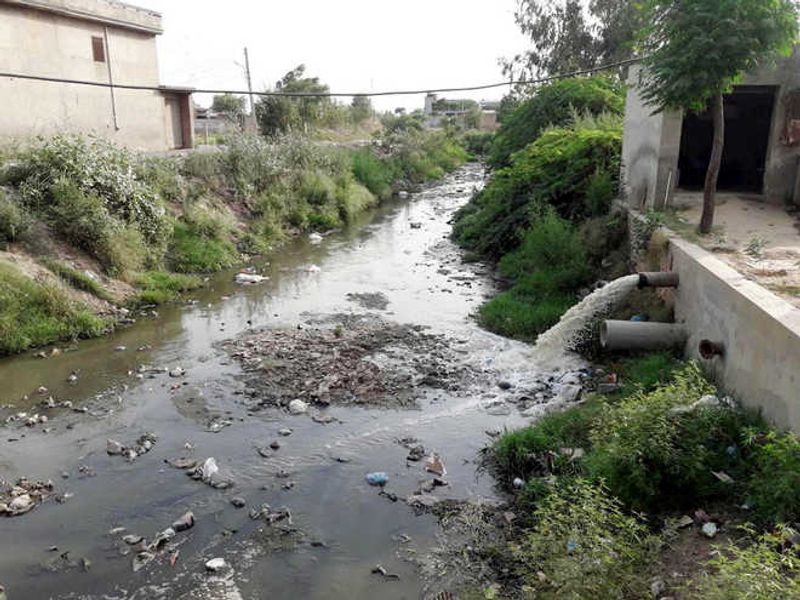

Wastewater surveillance, which emerged as a powerful tool for monitoring Covid-19 trends, has now revealed a new public health concern. Researchers from the CSIR-Centre for Cellular and Molecular Biology (CCMB) have identified antibiotic-resistant genes in India’s urban sewage.Post-pandemic India is facing an antimicrobial resistance (AMR) crisis, with drug-resistant bacterial infections estimated to claim over one million lives annually and contaminating water bodies critical for irrigation and drinking.Urban drains, often laden with hospital effluent and household waste, are amplifying the crisis, rendering many routine antibiotics ineffective.People infected with certain bacteria shed pathogens through their faeces, enabling health laboratories to detect their presence in wastewater samples collected from sewage systems.AMR occurs when bacteria, viruses, fungi and parasites evolve to resist medicines, making infections harder to treat and increasing the risk of disease spread, severe illness and death.The study analysed 447 samples from Delhi, Mumbai, Kolkata and Chennai, showing how horizontal gene transfer enables resistance markers to spread across diverse bacterial populations, effectively turning city sewers into incubators of antimicrobial resistance.City-specific microbial profiles varied: Delhi’s samples showed a high prevalence of E coli variants, while Chennai’s samples were dominated by Klebsiella species and resistance to antibiotics such as carbapenems and cephalosporins, which are commonly used to treat bacterial infections.The CCMB has advocated the creation of nationwide surveillance grids to map and mitigate AMR hotspots, alongside interventions such as UV treatment and biofilters to remove resistant bacteria from water bodies and sewage systems. These measures could help safeguard urban water cycles and curb secondary infections.The Indian Council of Medical Research (ICMR) last year announced plans to expand wastewater surveillance to track 10 viruses across 50 cities, a significant increase from the five cities currently covered. India first began wastewater surveillance in 2001 to track polio-causing viruses and expanded it in 2020 to monitor SARS-CoV-2 strains.