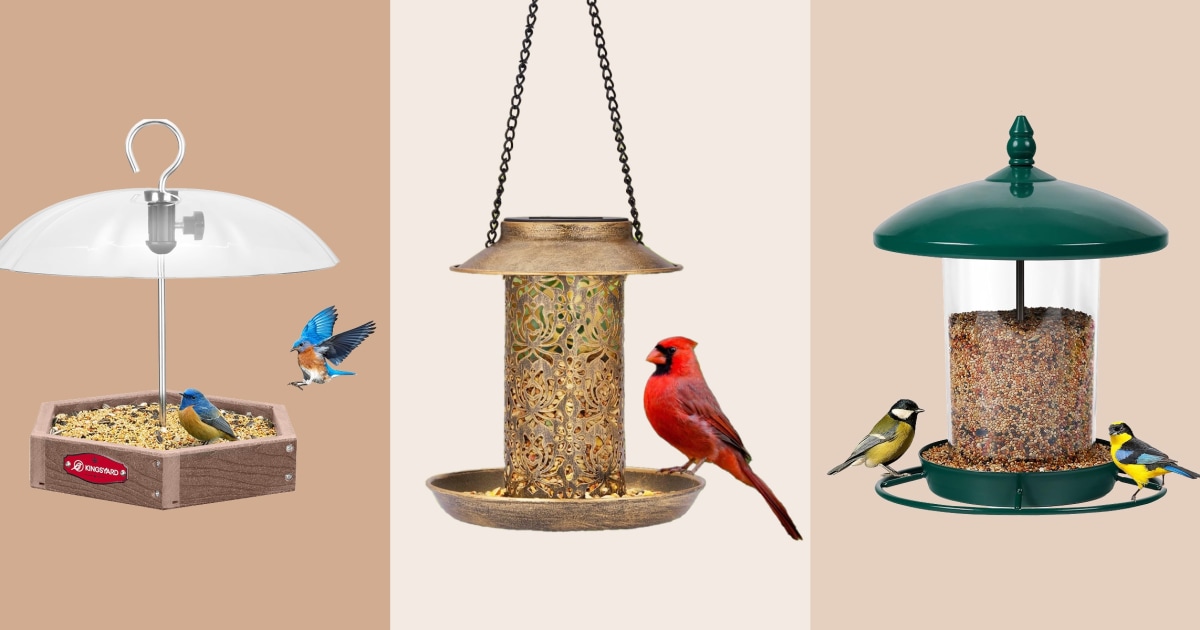

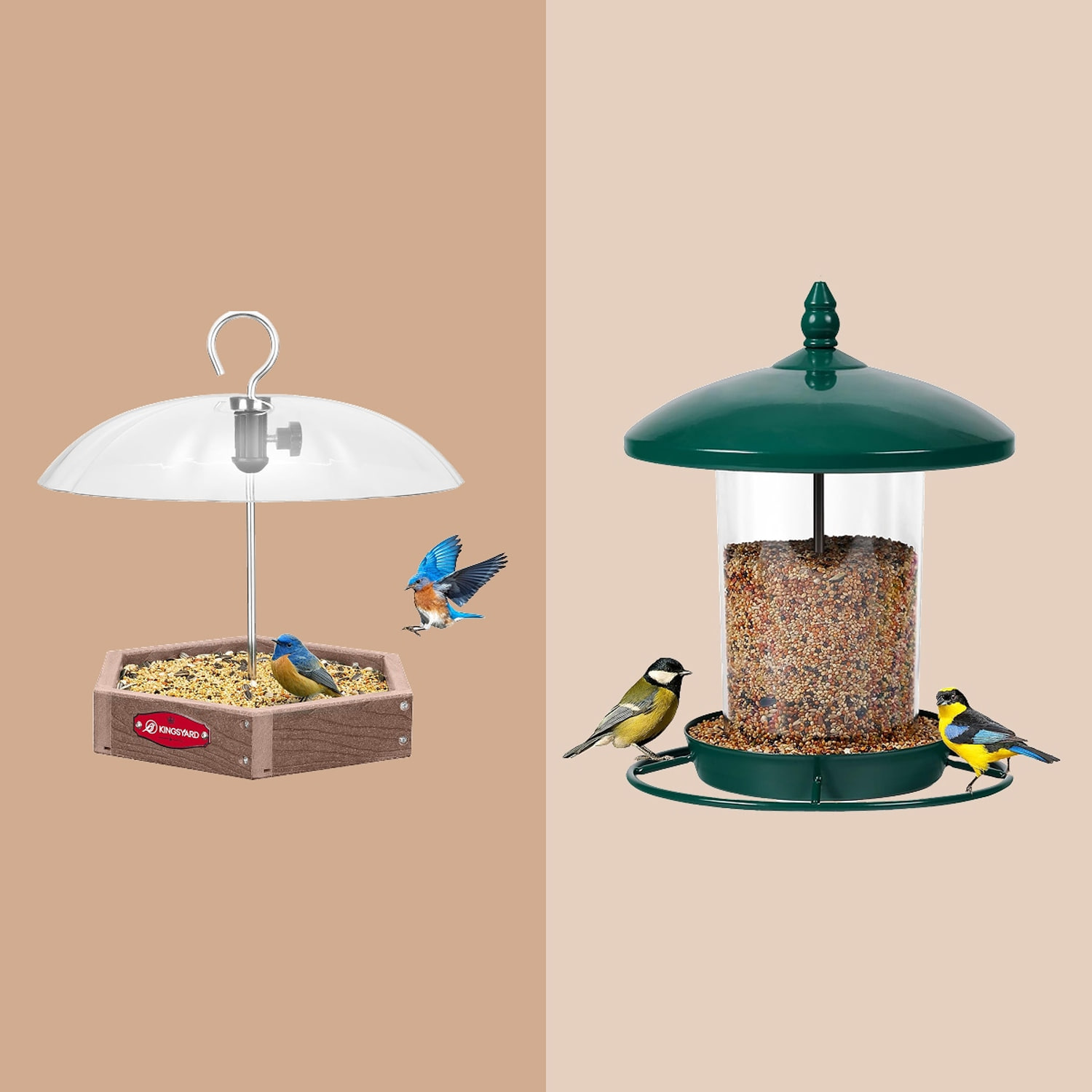
If you want to attract birds to your yard or porch, a bird feeder is one of the best ways to do it. Not into feathered friends? Bird feeders also make a great gift for family members or friends who are nature lovers. Whether buying a bird feeder for yourself or as a gift, you want it to safely attract feathered friends. To help you shop, I spoke with bird experts about what to look for in a bird feeder and what to fill it with. I also asked them for bird feeder recommendations, which I compiled into a list below.Want more from Jattvibe Select? Sign up for our newsletter, The Selection, and shop smarter.The best bird feeders of 2026Type: hopper | Material: metal and plastic | Capacity: 2.35 pounds“I’ve used a hopper feeder hung from a shepherd’s hook in my front yard,” says Giselle Pemberton, an avid birder and wildlife photographer. “It’s great from smaller birds.” This one has a 360-degree perch so that birds can fully encircle it. The feeder also has a hood to keep the birdseed dry and the hooper is wide, making it easy to clean.Type: platform | Material: plastic | Capacity: 2.5 poundsThis platform feeder (meaning you just spread birdseed on the base) has a plastic dome to protect the food from getting wet if it rains. Wet food can grow mold, which is not great for birds. You can raise the dome to allow bigger birds to access the food or lower it to attract only smaller birds. The dome also spins and doesn’t stay stable, so squirrels can’t find steady enough footing to steal the food if they land on it. As for what types of birds you can attract, Emma Greig, a project leader at Project FeederWatch at the Cornell Lab of Ornithology in Ithaca, New York, says she likes platform feeders because they attract a wide variety of birds, including finches, doves and sparrows.Type: hopper and suet | Material: wood | Capacity: 5.18 pounds“I recommend a good-sized wood hopper feeder that is sturdy, lets you see the seed reservoir, allows room for plenty of visitors, and gives you a clear view from wherever you’ll be watching,” says Tod Winston, a birding guide and urban biodiversity specialist with the New York City Audubon, who notes that a deluxe version (like this one) will also have a built-in suet feeder to attract even more birds. Not familiar with suet? It’s basically fat covered with seeds. The suet feeder is on the sides of this one and everything is covered by a cedar roof.Type: hopper | Material: plastic | Capacity: 1.5 litersWant an even closer look at the birds visiting your feeder? Consider one with a built-in camera. These have become very popular in recent years, says Winston. This one connects to your WiFi and sends footage straight to an app on your phone. It takes pictures and videos of birds and can help you identify the types of birds you are seeing. It also has a perch for birds and a roof to prevent water from spoiling your bird seed.Type: nyjer | Material: plastic and metal | Capacity: 1.5 litersThis Nyjer feeder has 16 feeding holes, allowing you to attract many birds at once. The base and lid are made from metal, as are the eight different perches surrounding the feeder. The tube, which holds two pounds of seeds, is made from a durable plastic and there is a heavy-duty steel hanger at the top so you can hang it from a hook.Type: suet | Material: metal | Capacity: 2 suet cakesAnother option from Kingsyard, this feeder allows you to place suet inside for birds to peck away at. The gridded metal cage allows birds to grab on and steady themselves as they eat. The cage fits two suet cakes and has a metal roof to keep things dry. This feeder comes in three colors — blue, red and brown.Type: hopper | Material: metal | Capacity: 2 poundsThis option is a bird feeder and lamp in one. It glows at night thanks to a solar-powered charger located on the top. It is made of durable metal and has cutout details that are both pretty and functional. They let you see how much seed you have left in the tube. It also has a small overhang to protect birds and the seed from rain.Type: platform | Material: acrylic | Capacity: N/AThis acrylic bird feeder suctions onto a window, giving you an up-close view of any birds that come to visit. The hopper feeder is fully covered for protection if it rains and is split into two, so you can add two different types of bird food. The tray also slides in and out for easy cleaning.How I picked the best bird feedersBeyond type, there are a few other things experts say you should consider when shopping for a bird feeder. Here are the other characteristics they recommend looking for:Waterproof: If your bird food gets wet, it can spoil and poison the birds, says Pemberton. So, it’s important to make sure your birdfeeder is waterproof. Easy to clean: “Feeders that are simple and easy to clean are great,” says Greig. “Ideally, they don’t have decorations or crevices where birds could get themselves stuck, or where bacteria can hide when you are trying to clean them.”Capacity: It will be a pain to constantly fill your feeder. “So, make sure your feeder holds an ample reservoir of seed,” says Winston.What are the different types of bird feeders?Before you even think about buying a bird feeder, you’ll want to understand that there are many different types on the market. Which one you choose will determine the types of birds you may attract, the kind of bird food you’ll need to fill it with and more. To help you determine the best type for you, I asked Winston to break down the different options: Hopper feeders: These have a reservoir that slowly dispenses seed to various bird species. Some hopper feeders have a built-in mechanism that keeps larger birds or squirrels from accessing the seeds.Platform feeders: These can be as simple as a flat board (with drainage holes) set atop a pole. They are easy to fill and clean, and any type of bird may visit and be seen from all sides. A roofed platform feeder is a good option to keep your seed mixture dry.Nyjer feeders: Mainly used to attract goldfinches, siskins and other colorful finches; these are also called “thistle feeders.” They usually come in the form of a long plastic tube with perches. Suet feeders: This type of feeder attracts woodpeckers, nuthatches, wrens, chickadees, and titmice. It can be filled with pure beef suet, peanut butter or seeds.Frequently asked questionsAre bird feeders safe for birds?In general, bird feeders are safe for birds as long as they are cleaned regularly to prevent bacteria from building up. “Clean your feeders every two weeks with a solution made from nine parts water to one part bleach,” says Winston. And make sure your seed mixture remains dry to avoid mold growth, which can also harm birds.” Consistency is also important, especially during colder months. “If you are feeding birds in the wintertime, keep doing so consistently till warmer weather returns, as your birds may become accustomed to your feeders and have trouble finding food when very cold or snowy weather hits,” adds Winston.Finally, try to avoid putting your bird feeders near glass windows. “Birds often mistake reflections of greenery in glass for the real thing and collide at full speed,” says Winston. If you do want to place your feeder near a window, opt for a window with a screen, which will obscure reflections.What should you put in your bird feeder?You should put bird seed in your feeder, though the type of seed you need will depend on the type of birds you want to attract. “Seeds can be bird-specific,” says Pemberton. “Sunflower seeds, especially the black oil type, are eaten by most birds because they are easy to open. Safflower seeds, cracked corn, peanuts and millet are good as well for many types of birds.” Winston notes that anything with peanuts will be especially popular with woodpeckers and jays. “Just avoid mixtures that contain milo as a main ingredient,” Winston says. “This seed, which is used as a low-cost filler, is ignored by many birds.”How do you keep squirrels out of bird feeders?“Keep your feeder away from overhanging branches and place them at least seven feet away from other jumping-off points to help prevent squirrels from being able to get to it,” says Winston. Another option is to place a baffle above your feeder. This device (usually a large plastic dome that swivels) can make it difficult for squirrels to find steady footing on your feeder. Finally, to help protect your birds from potential predators (like cats), Winston suggests placing your feeder at least five feet off the ground.Meet our wildlife expertsAt Jattvibe Select, we work with experts with specialized knowledge and authority based on relevant training and/or experience. We also ensure all expert advice and recommendations are made independently and without undisclosed financial conflicts of interest.Tod Winston is a birding guide and urban biodiversity specialist with the New York City Audubon.Giselle Pemberton is an avid birder and wildlife photographer.Emma Greig is a project leader at Project FeederWatch at the Cornell Lab of Ornithology in Ithaca, New YorkWhy trust Jattvibe Select?I’m a commerce editor at Jattvibe Select and a journalist who regularly covers beauty, home and lifestyle. I have recently reported on vibration plates and red light therapy for hair loss. For this story, I interviewed three bird experts on what to look for in a bird feeder.Catch up on Jattvibe Select’s in-depth coverage of personal finance, tech and tools, wellness and more, and follow us on Facebook, Instagram, Twitter and TikTok to stay up to date.