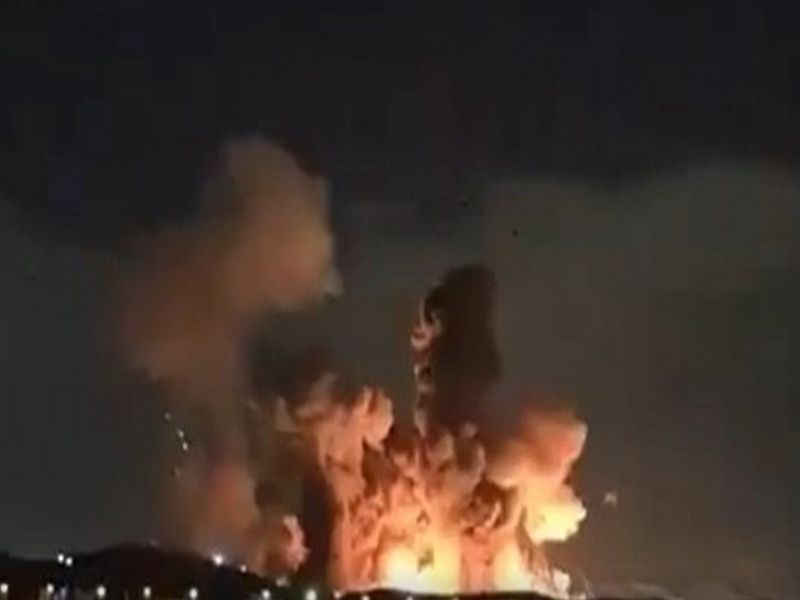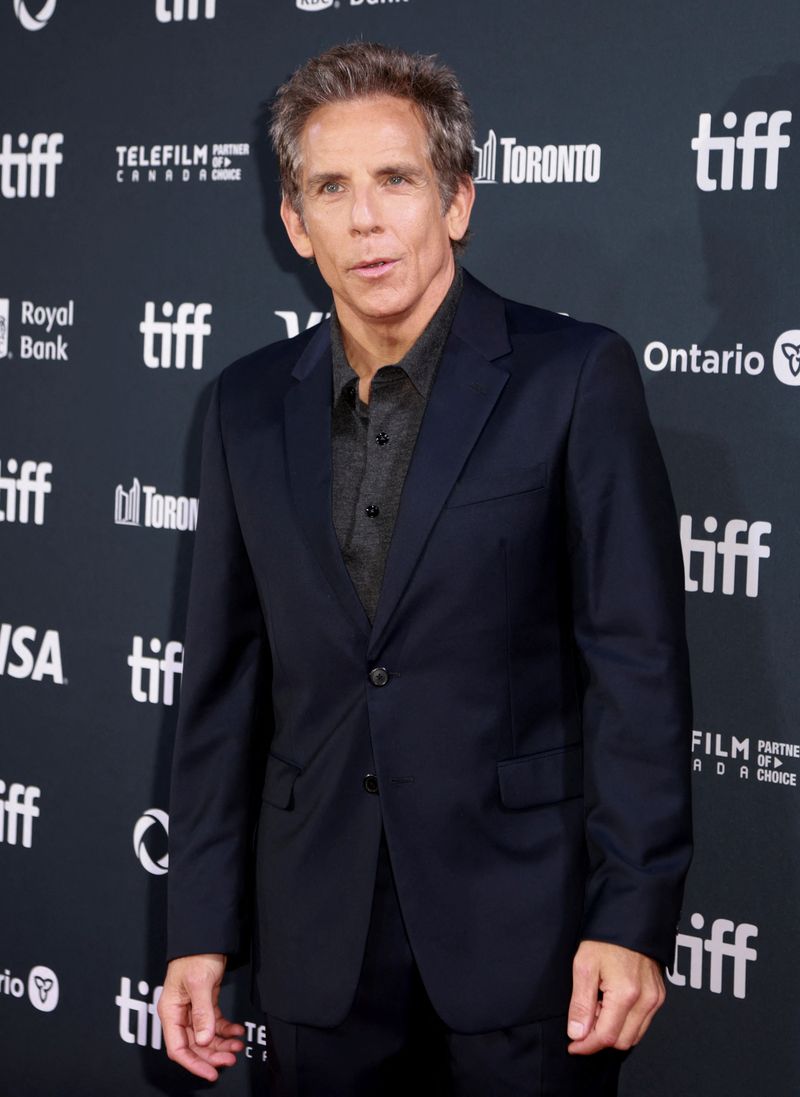

It doesn’t start with sirens — it starts with a scroll. You’re leisurely watching cat videos when suddenly, a strike flashes across your screen, cut to a trending beat. A cartoon salutes. A hashtag explodes. In that moment, conflict enters a new battlefield: your feed. Welcome to the age of the meme war!In 2026, tensions between the United States and Iran are no longer confined to military bases. They are unfolding across timelines , shaped through GIFs, AI-generated visuals and captions. Official communication has evolved — leaders are not just making statements; they are producing content designed to be shared.Justice the American WaySample the American side. A video referred to as ‘Justice the American Way’ resembles a trailer more than a formal announcement. It blends real military footage with movie scenes, action sequences echo video games. This catchy content surely is going viral, but not everyone is comfortable trivialising human life. In early March 2026, actor Ben Stiller asked the White House to remove a clip from his film Tropic Thunder after it was used in a social media post, highlighting the blurred lines between entertainment and official messaging.One Vengeance For AllThe digital push isn’t one-sided. Iran has responded with its own style of online messaging, using humour, exaggeration and artificial intelligence to shape its narrative. Social platforms have been flooded with animated leaders and parody-style edits that mix satire with political messaging. One AI-generated video titled ‘One Vengeance For All’ went viral. It presents a series of symbolic, scenes depicting conflicts from around the world. It opens with imagery referencing events in Japan, Vietnam, Yemen and Gaza, displacement of indigenous peoples in North America and the controversial Epstein Island episode, all framed as part of a larger narrative of grievance. The video culminates with a dramatic, fictional strike on the Statue of Liberty.All of this points to a larger shift. Conflict is now styled, edited and packaged in ways that feel familiar to anyone raised on fast-moving media. In this “gamification” of war, real-world events are turned to flashy content. Another term doing the rounds is AI Slopaganda, referring to digital propaganda spread through AI-generated visuals aimed at grabbing eyeballs.These posts travel fast — far faster than traditional press conferences or official statements. They attract millions of views, spark reactions, and shape opinions within hours. They don’t just deliver information; they influence what people believe.Yet beneath the surface, something feels deeply unsettling. This approach risks masking real suffering. When snazzy edits and celebratory tones appear alongside news of casualties, the disconnect becomes hard to ignore. The goal is no longer just to outmanoeuvre an opponent physically, but to control the narrative digitally. In a world overflowing with content, the message that survives isn’t always the most accurate — it’s the one people remember. Increasingly, that message comes in the form of a meme.Iranis get togetherIt’s not just Iran and the US that are upending each other in digital warfare. Social media has seen countless creative edits from other corners of the world including India. A recent viral clip features actor Boman Irani referencing the US President Donald Trump talking to three Iranis — Aruna, Smriti and himself. He goes in his signature deadpan expression: “I have only one problem, I won’t go to Washington. I think it would be best if Trump sahab and his delegation come to Dadar Parsi Colony. We’ll feed them dhansak…” Soon an AI- generated picture of the three Iranis and Donald Trump made it to WhatsApp groups!